ع
ع


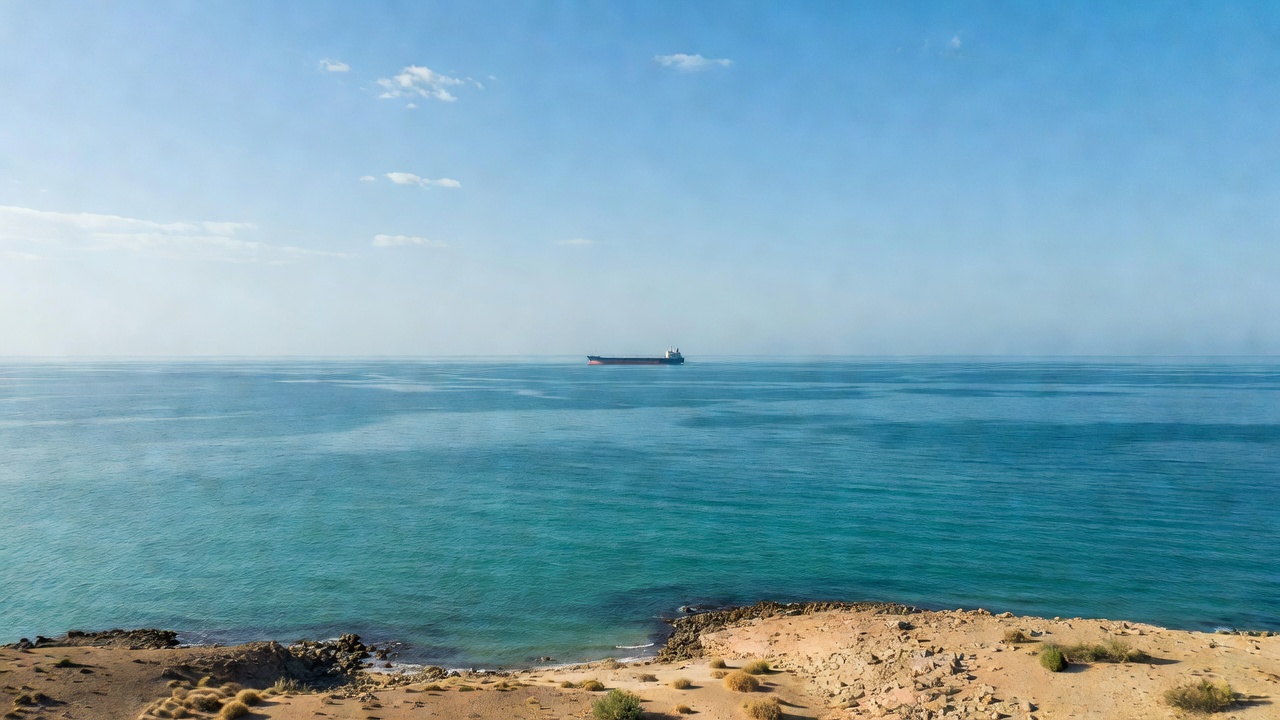
An International Maritime Bureau analysis cited by Danish Shipping on August 19 recorded 13 piracy-related incidents off Somalia in the first seven months of 2026 compared with five for all of 2025 and eight in 2024. This marks the highest activity in over a decade though still far below the more than 200 attacks annually at the 2011 peak according to IMO figures. The surge has coincided with the US-Iran war that began in February disrupting the Strait of Hormuz and prompting Houthi blockades in the Bab el-Mandeb Strait that have rerouted shipping closer to Somali waters.
The BBC reported two vessels seized in the Gulf of Aden within four days last week bringing the yearly total to at least 13 attacks and prompting drone strikes that killed 13 men linked to pirate supply networks. The Cameroon-flagged MV Lutuf was hijacked off Puntland on August 17 while the Eritrean-flagged MT Sibu 1 an alleged Iranian shadow fleet tanker was boarded near Yemen days later and diverted toward Somalia. Six vessels are currently held for multimillion-dollar ransoms with four anchored near the piracy hub of Bander Beyla according to the BBC.
International Crisis Group senior Somalia analyst Omar Mahmood told the BBC “Piracy is always a crime of opportunity and right now the pirates see an opportunity.” He noted the combined effect of reduced naval patrolling and increased commercial shipping in these waters as vessels divert south to avoid northern conflicts. Vice-Admiral Ignacio Villanueva Serrano the EU naval force commander said in remarks carried by the BBC that pirates believe international forces are dedicated to crises in Hormuz and Bab el-Mandeb instead of counter-piracy patrols.
ACLED data published August 28 documented at least 10 piracy-related incidents along the Puntland coastline since February including six vessel hijackings with four in April alone and 11 events involving Somali pirates in the Gulf of Aden so far this year. An IMO analysis reviewed by AFP on August 27 confirmed eight attacks in the Gulf of Aden since May with the largest on April 21 when around 30 pirates seized the oil tanker Honour 25 north of Eyl. The Global Initiative Against Transnational Organized Crime reported in June that three commercial vessels including the tanker Eureka had been hijacked between March and May with ransom demands reaching 10 million dollars for one tanker.
Local factors include foreign illegal fishing that costs Somalia an estimated 300 million dollars annually according to the Somalia Development and Reconstruction Bank with trawlers from Iran Yemen and other nations depleting stocks in Puntland waters. A One Earth Future study found foreign vessels caught nearly three times as much fish as local artisanal fishers in earlier years exacerbating economic hardship that sustains pirate networks. Researchers have also pointed to collaboration with Yemeni criminal elements though Mahmood told the BBC he did not see specifically Iran-directed activity.
The BBC reported that the MV Lutuf was carrying Turkish weapons and satellite equipment for a military facility in Mogadishu prompting local officials to blame Turkey for the drone strikes with Puntland’s deputy security minister Abdirahman Yusuf citing evidence of Turkish activity in statements to the BBC Somali Service. Turkey’s defence ministry said its forces were providing necessary support to Somali authorities under their security agreement but did not address the allegations. IMO secretary-general Arsenio Dominguez called for the immediate release of more than 90 seafarers held captive by Somali pirates in a statement following the latest incidents noting six vessels remain under control including the recently seized Seamull also known as Sibu 1.