ع
ع


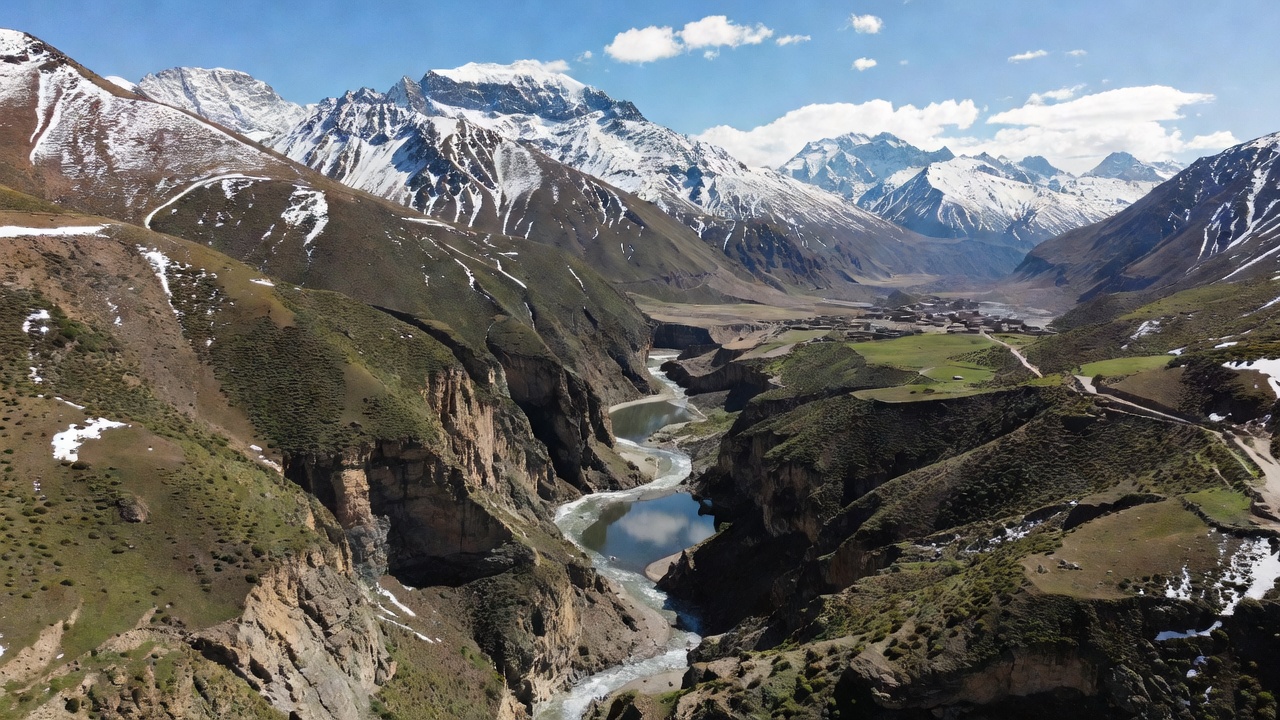
A glacier collapse unleashed a massive torrent of mud, rock and water that tore through Gyirong Port and surrounding areas along the Nepal-Tibet border on August 26, devastating villages, roads, bridges and a key immigration complex. Chinese state broadcaster CCTV reported five deaths and 558 people missing in Tibet’s Gyirong County, including around 260 foreign nationals, while Nepali authorities placed their country’s death toll above 550 with nearly 2,000 unaccounted for according to police and disaster management updates. Premier Li Qiang visited the Tibetan site the following day to direct relief alongside military and paramilitary teams, Xinhua news agency said, as rescuers described encountering nothing but ruins after trekking through destroyed roads and cliffs.
President Xi Jinping chaired an emergency meeting on the disaster response, state media reported, while local party notices called on officials to make every effort to maintain social order and ensure stability and public confidence in the affected zones. More than 1,000 residents and tourists were evacuated from Gyirong County in the initial phase, according to Tibet’s emergency management department cited by multiple outlets including Reuters. A newly formed barrier lake upstream raised fears of secondary flooding, briefly halting some rescue operations before teams resumed work with helicopters and sniffer dogs.
Dramatic surveillance footage showing the wall of debris engulfing buildings and forcing people to flee spread rapidly outside China yet was largely suppressed within the country. The New York Times reported that videos uploaded by locals, including a widely shared clip of the mudslide striking the border crossing, were censored on Chinese social media platforms by the following day. ABC News and Deutsche Welle noted that such content vanished from WeChat and other sites, with state outlets broadcasting only a single still image from the event.
The International Campaign for Tibet said authorities have restricted independent information flow from the region, with its executive director Ryan Fioresi telling outlets that sources on the ground described far higher casualties and complete destruction of border facilities than officially acknowledged. The group called on Beijing to release complete and verifiable data on victims and the full scope of the disaster. India Today reported that even survivor pleas for help posted online were deleted, with accounts banned in some cases.
Foreign journalists are generally not permitted independent access to Tibet without official approval, a restriction in place since the region’s annexation in the 1950s that has drawn repeated criticism from rights organisations. This has left scant details available about impacts on Tibetan communities or families of the missing, as The New York Times and BBC correspondents observed in their coverage. Al Jazeera and Reuters reports highlighted how the information gap contrasts sharply with extensive eyewitness accounts gathered by Nepali media downstream.
Many of those unaccounted for were foreign pilgrims and trekkers heading toward Mount Kailash, with Nepal’s tourism board listing hundreds from India, the United States, Britain and more than two dozen other countries among the missing. Rescue efforts continued amid thick mud deposits and damaged infrastructure on both sides of the border, according to updates from Nepali police and Chinese state media. The Red Cross estimated that more than 90,000 people have been affected overall by the floods.