ع



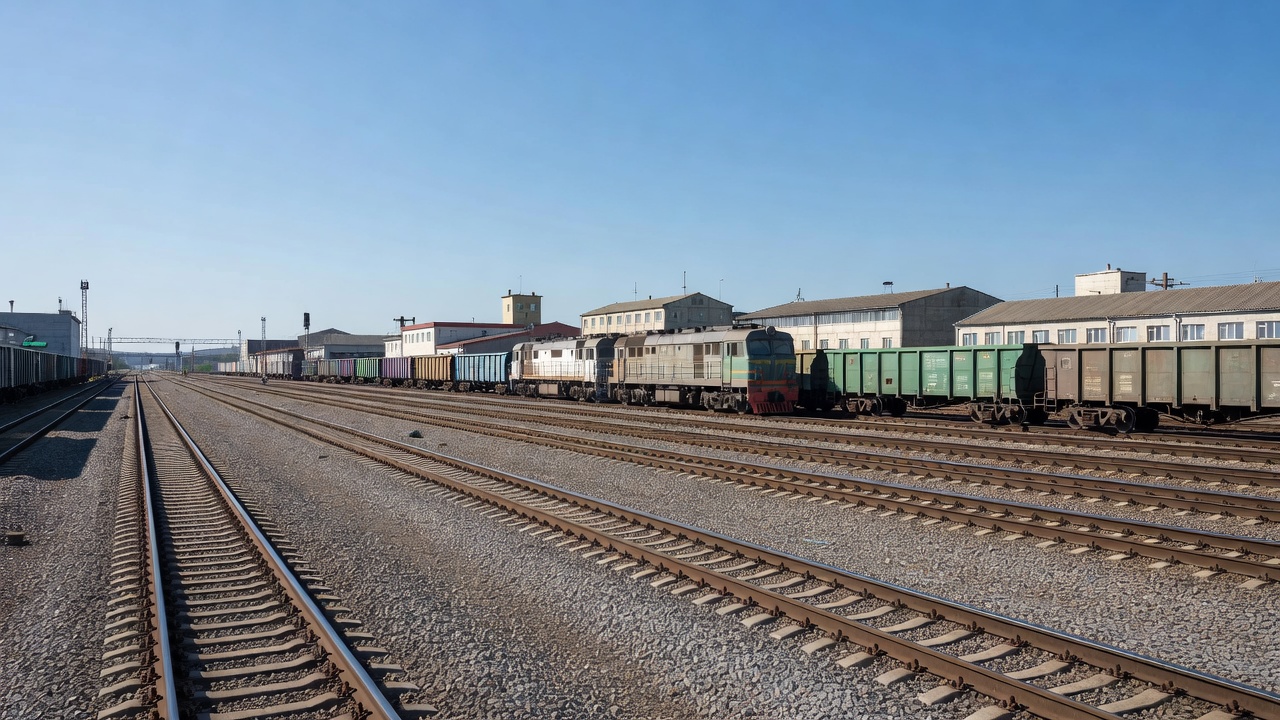
A BBC report delving into the shadowy world of anti-Putin sabotage from within Russia described an array of domestic groups conducting clandestine operations to disrupt the country’s war effort. In the week of 11 to 18 October 2026 the Atesh movement claimed to have destroyed a freight locomotive at the Liski rail hub in Voronezh Oblast, a key artery for transporting armor and munitions to the front, according to a compiled partisan activity brief. The same group reported a major fire at the Rostov petroleum terminal on 12 October and the bombing of a power substation supplying the Azov Optical-Mechanical Plant that produces components for Russian missiles four days later. Russian authorities have detained individuals including a Swedish citizen in the Pskov region on suspicion of plotting similar sabotage, the Federal Security Service announced on 15 October.
Black Spark spokesperson Igor Volobuyev addressed the Free Russia Forum in Warsaw on 11 October calling for the establishment of a combat wing inside Russia and a post-Putin denuclearisation memorandum. At the Warsaw Security Forum the following day Volobuyev claimed the group had facilitated strikes on eight Russian oil refineries since September 2025 with a combined capacity of 108 million tonnes per year, representing 41 percent of national refining output, the same partisan brief recorded. The group draws on professionals embedded in state-linked energy firms and has prioritised draining the financial engine of the war machine, Open The Magazine reported in May.
Earlier waves of activity saw the Combat Organization of Anarcho-Communists, known as BOAK, and the Stop the Wagons network claim responsibility for numerous train derailments and attacks on enlistment offices. A scholarly article in The Russian Review documented 12 assaults on military recruitment centres and 18 freight train derailments across Russia in May 2022 alone. British filmmaker Jake Hanrahan’s documentary featured masked BOAK members who described destroying railway lines and a cell-phone tower near the Ukrainian border while estimating around 30 active cells nationwide, Soldier of Fortune Magazine noted in its review. One partisan stated, “It’s not Putin’s country, it’s our country. If not now, then when?”
Atesh, whose name means fire in Crimean Tatar, has expanded to roughly 1,800 informants, agents and activists operating inside Russia and occupied territories, a Centre for European Policy Analysis assessment from February 2024 found. The network has sabotaged railways, checkpoints and military vehicles while providing targeting data for Ukrainian strikes, the same assessment indicated. Ukrainian special operations forces have been linked to coordination with some partisan units although precise details remain undisclosed.
Cross-border raids by the Russian Volunteer Corps and Freedom of Russia Legion have complemented internal sabotage, with one operation in March 2024 employing tanks to destabilise voting in border regions, The New York Times reported at the time. Former State Duma deputy Ilya Ponomarev has claimed contact with several such groups and described their actions as steps toward regime change, according to a 2023 Foreign Policy article. These factions range ideologically from anarcho-communist to nationalist yet share the goal of undermining Moscow’s war effort.
The Federal Security Service has responded with arrests and characterised many incidents as accidents or foreign plots rather than domestic resistance. GLOBSEC monitoring has tracked 151 related incidents between February 2022 and February 2026 although the majority concern Russian hybrid activities directed at Europe. Partisan claims continue to circulate on Telegram channels that double as recruitment tools, sustaining the movement despite heightened security measures.