ع
ع


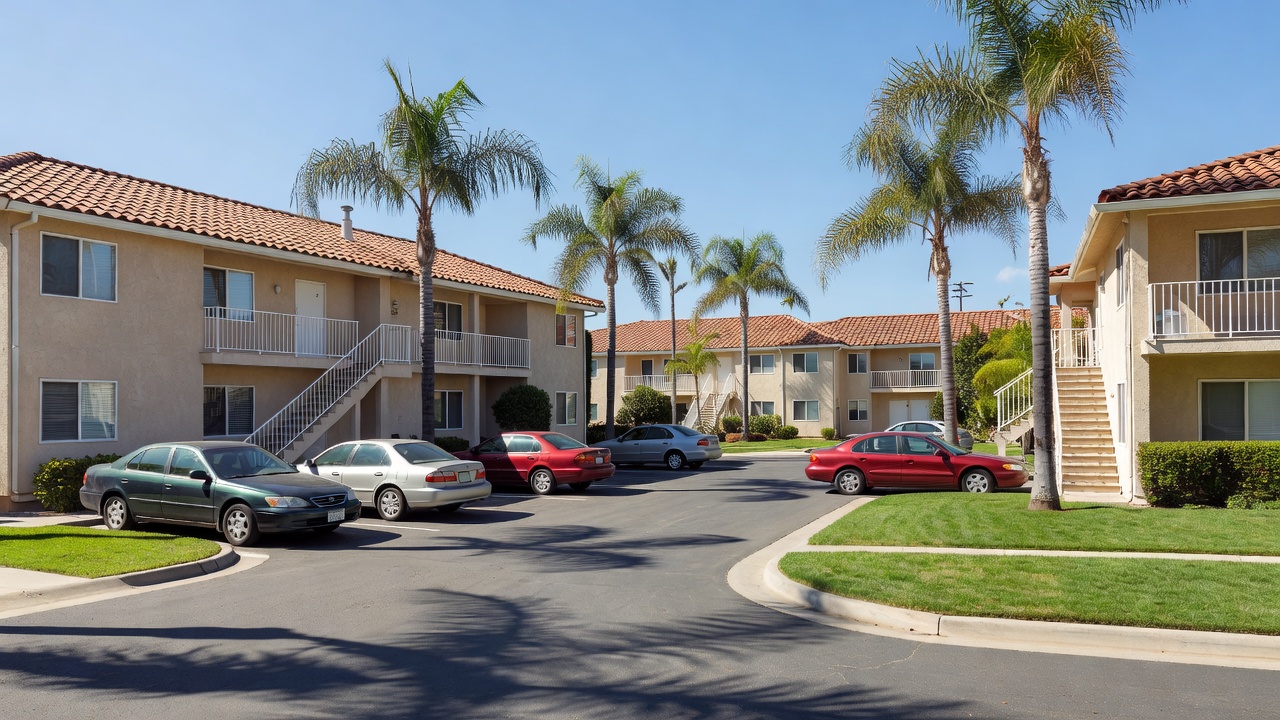
Holly Ratchford told the BBC in an interview published August 28, 2026 that she remains haunted by her unwitting connection to Omar al-Bayoumi and the two men he introduced as neighbors at Parkwood Apartments more than two decades earlier. Ratchford, who managed the complex and lived there herself, described Bayoumi as bubbly and friendly when he moved in during September 1999 with his family, according to the BBC report. She recalled that Bayoumi repeatedly inquired about apartments for two men from his mosque before bringing Nawaf al-Hazmi and Khalid al-Mihdhar to her office on February 3, 2000, where he co-signed their lease after they failed to meet income requirements. Ratchford said the trio socialized together in the following months, including over cookies and tea in her office, and that Bayoumi paid their rent when the pair fell behind.
The landlady’s account conflicts with statements Bayoumi gave to British police after his arrest in Birmingham days following the attacks, the BBC reported. Ratchford refuted his assertion that contact with the future hijackers was fleeting, noting that he had sought a specific low-cost unit near his own and continued friendly interactions afterward. She provided a sealed declaration to the New York court handling the lawsuit, which seeks more than $1 trillion in damages from the Kingdom of Saudi Arabia on behalf of several thousand families and survivors. According to ProPublica investigations drawing on declassified FBI documents, Bayoumi received a monthly stipend from Saudi entities linked to the defense ministry despite performing little work at his nominal job, with payments increasing after the hijackers arrived in San Diego and decreasing once they left the area.
FBI assessments declassified in recent years concluded that Bayoumi served as a part-time operative, or cooptee, of Saudi intelligence and reported to officials including then-Ambassador Prince Bandar bin Sultan, a 2017 bureau report cited by ProPublica and The New York Times stated. Richard Lambert, who led the San Diego FBI office’s post-9/11 investigation, told the BBC that community consensus in the city’s Muslim circles held Bayoumi to be an operative of Saudi intelligence, based on his constant filming of religious activities and probing questions. Never-before-broadcast videos obtained by the BBC show Bayoumi filming his family at the Parkwood pool and on a Las Vegas trip, but other footage from summer 1999 captures him surveying the U.S. Capitol building from multiple angles while noting a “plan,” which plaintiffs allege amounted to surveillance while Saudi Arabia maintains it was a tourist video.
U.S. District Judge George B. Daniels ruled in August 2025 that evidence created a reasonable inference Bayoumi and Saudi diplomat Fahad al-Thumairy coordinated with the Saudi government in assisting the hijackers, as detailed in coverage by The New York Times and CNN. The opinion rejected Saudi Arabia’s arguments that the encounters were innocent coincidences and allowed the case to proceed under an exception to sovereign immunity provided by the 2016 Justice Against Sponsors of Terrorism Act, according to the judge’s written decision. Daniels found Bayoumi’s activities inconsistent with his role as an accountant for a Saudi aviation company and noted that the total evidence pointed to a high probability of deliberate assistance tied to their employer, the kingdom.
The two hijackers Bayoumi supported, al-Hazmi and al-Mihdhar, went on to board American Airlines Flight 77, which struck the Pentagon on September 11, 2001, as part of attacks that killed nearly 3,000 people including about 300 emergency workers, according to official tallies from the 9/11 Commission Report. Fifteen of the 19 hijackers were Saudi nationals, and the bipartisan commission initially found no conclusive evidence of Saudi government involvement while accepting Bayoumi’s account of a chance restaurant meeting in Los Angeles. Later declassifications and the plaintiffs’ discovery in the lawsuit have undermined that view, with ProPublica reporting that Bayoumi lied to investigators about the timing and extent of his help, including videotaping a party with one of the hijackers and introducing them to a network that aided with driver’s licenses, flight school applications and wire transfers.
Bayoumi was detained by Metropolitan Police in the United Kingdom on September 21, 2001 and questioned for the maximum seven days before release, as the U.S. Department of Justice opted against extradition at the time, the BBC reported. He has consistently denied any foreknowledge or deliberate role in the plot, maintaining he was a student offering typical hospitality to fellow Saudis, according to statements cited in both the BBC interview and court filings covered by The New York Times. Saudi Arabia has denied all allegations of involvement in the attacks or employment of Bayoumi and al-Thumairy as agents for such purposes, while appealing the 2025 ruling that the families’ case can move forward to trial.