ع
ع


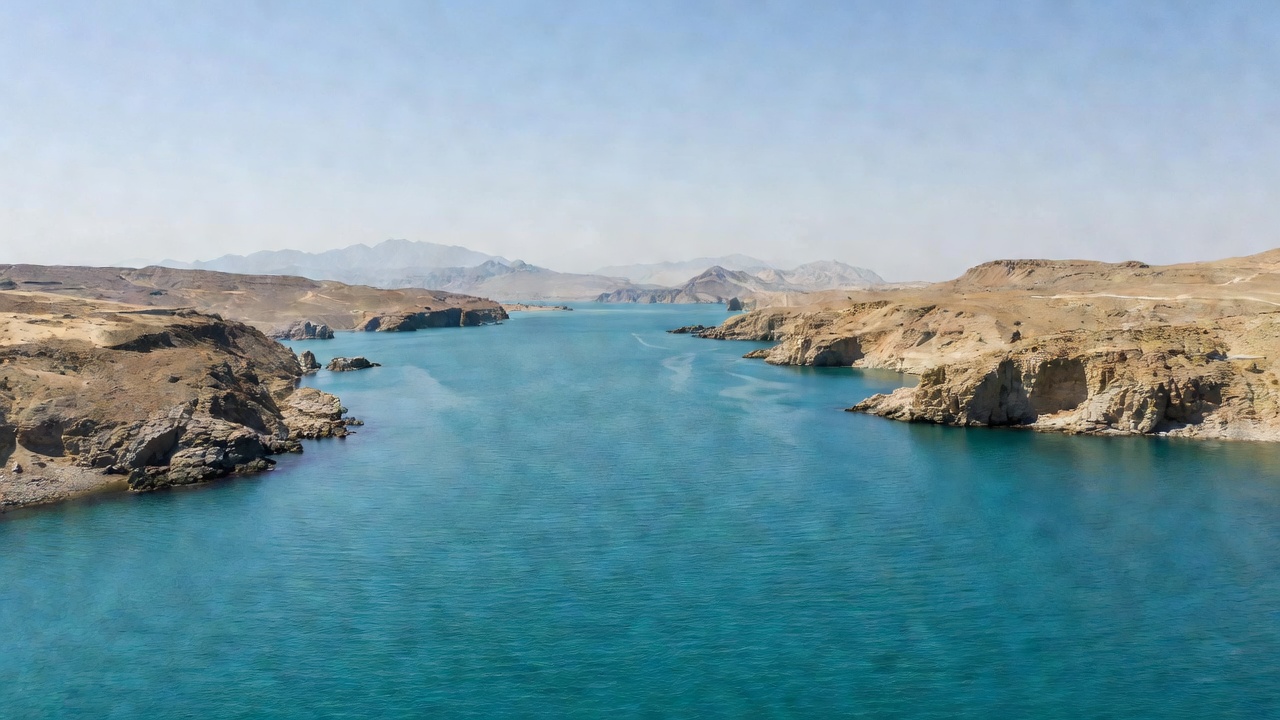
US Central Command announced a series of powerful strikes against Iranian air defenses, radar sites, anti-ship missiles and Revolutionary Guard boats following Iran’s attacks on commercial vessels in the Strait of Hormuz, according to CBS News reporting. The operation came after three tankers were hit on July 6 and 7, which the US said threatened freedom of navigation in the vital waterway. Iran’s Health Ministry reported that 17 people were killed and 115 others injured in the US strikes, BBC News stated. Iranian forces responded by launching strikes on US allies in the Gulf region.
The exchanges marked the collapse of a June 2026 ceasefire agreement between the US and Iran, Britannica reported. That memorandum of understanding had aimed to reopen the strait and end the broader conflict that erupted on Feb. 28 when US and Israeli forces struck Iran. Iran has sought to assert control over shipping lanes and collect fees on passing vessels since the truce, according to the same assessment. US President Donald Trump declared the ceasefire over but indicated that talks to resolve the conflict would continue.
Iranian Supreme Leader Ayatollah Mojtaba Khamenei issued his first public statement since the war began, calling for revenge over the death of his father and predecessor Ayatollah Ali Khamenei in the initial Feb. 28 strike, BBC News reported. The statement, read out on state TV after Ali Khamenei’s burial in Mashhad on Friday, said, “We pledge to avenge the blood of the martyred leader and all the martyrs of these two wars from the criminal and disgraced killers.” It added that “Vengeance is the will of our nation and must inevitably be carried out” and that those responsible “will take the wish for a peaceful death in their beds to their graves.”
Trump responded to reports of Iranian plans to assassinate him by warning that any such attempt would prompt the US to “completely decimate and destroy all areas” of Iran, according to the BBC News account of his remarks to the New York Post. The Wall Street Journal had reported that Israel shared intelligence about a recent Iranian plot against the president. Trump denied that a fresh plan existed or that Israel was the source, stating he had been “No. 1 on Iran’s kill list for a long time,” the same article noted. Open calls for Trump’s assassination were heard during funeral ceremonies for Ali Khamenei.
Data from the US Energy Information Administration shows the Strait of Hormuz carried about 20 million barrels per day in 2024, equivalent to roughly one-fifth of global petroleum liquids consumption. A Brookings Institution analysis from June 2026 found that the closure has driven sharp rises in oil prices, with gasoline averaging $4.31 per gallon and diesel $5.35 per gallon in the US as of early June. The assessment warned that prices would climb further while the strait remains blocked and that markets would take months to normalize even after reopening, as damaged infrastructure is repaired and inventories replenished.
Iranian Foreign Minister Abbas Araghchi was in Oman for mediation talks as US officials conveyed demands through intermediaries that Iran publicly affirm the strait remains open and halt attacks on commercial ships, BBC News reported. Iranian officials told their US counterparts the tanker incidents were a mistake carried out by a rogue internal group. A big fall in oil, gas and cargo traffic along the US-backed Hormuz route has followed the latest strikes, according to the same reporting.