

 ع
ع


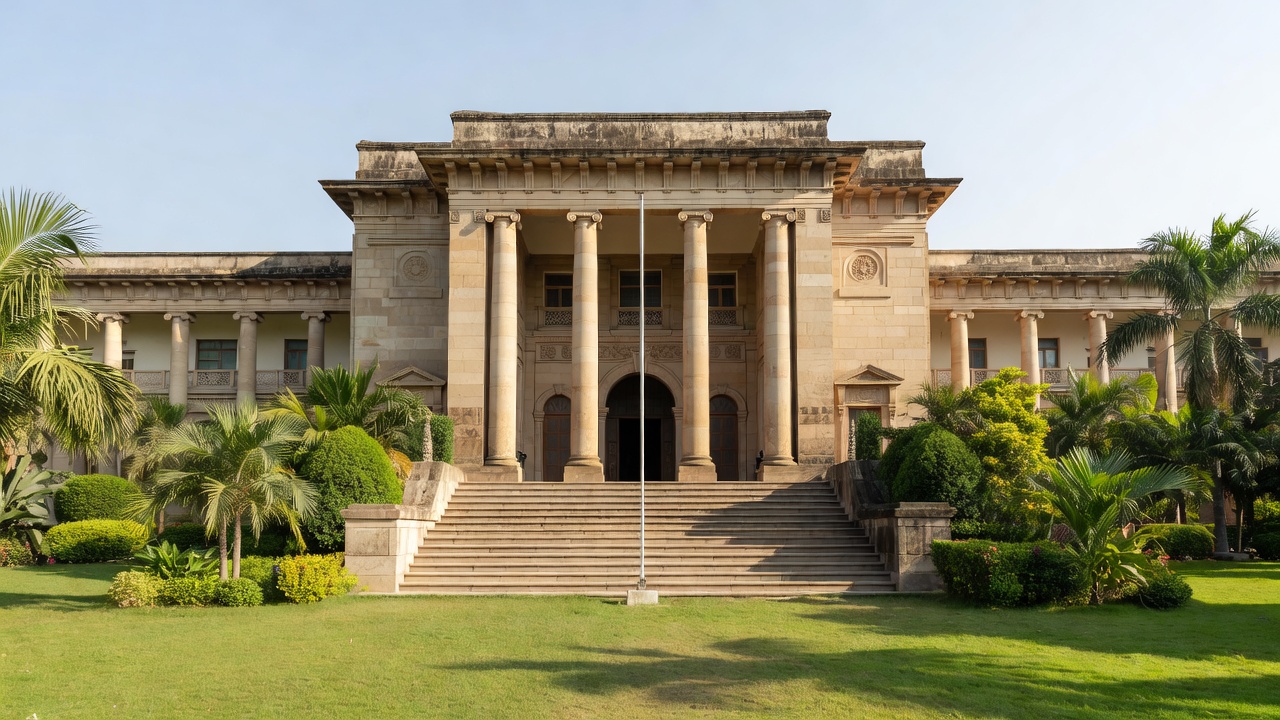
Additional District and Sessions Judge Tabassum Khan sentenced 14 men to life imprisonment on June 12 for the 2022 murder of 50-year-old Nazir Ahmad, whom they assaulted on suspicion of cattle smuggling while he transported cows at night in Madhya Pradesh. The BBC reported that Khan, in her ruling, described the attack as a clear case of mob lynching involving offences of murder, rioting and wrongful restraint. Ahmad died from his injuries while two companions who survived the beating testified in court, according to court records detailed in multiple outlets.
The Hindu reported on July 4 that the verdict triggered an online campaign of abuse directed at Khan because of her Muslim faith, including videos with communal slurs, rape threats and warnings of nationwide bloodshed unless the convicted men were freed within 10 days. Alt News documented how right-wing influencers and anchors from channels such as Sudarshan News expressed solidarity with the families of the men, framing them as cow protectors and urging viewers to speak out. Protests by groups including the Gau Raksha Parishad and Rashtriya Bajrang Dal followed, with one event in Punjab featuring the burning of an effigy of the judge.
Live Law stated on July 2 that the Supreme Court Advocates-on-Record Association condemned the threats and targeted social media campaign against Khan, emphasising that such actions undermine judicial independence. Vikas Singh, president of the Supreme Court Bar Association, told the BBC that if threats against judges are allowed then no judge will be able to dispense justice without fear or favour in a democracy. Former Supreme Court judge Markandey Katju noted in a post on X that the attacks reduced the judge’s identity to her religion rather than engaging with the legal reasoning of the verdict.
Hindustan Times reported that Madhya Pradesh police have arrested two men in connection with the threats, one from Mumbai and another from Raebareli, after registering a case under relevant sections of the Indian Penal Code. District Superintendent of Police Sai Krishna Thota said the cyber cell is actively tracing those sharing inflammatory videos and monitoring social media platforms for additional content. Police official Sudhakar Baraskar added that the force continues to provide security to the judge amid the ongoing investigation.
The Madhya Pradesh High Court directed state officials to explain the protective measures taken for Khan and ordered that her police security continue, The Hindu reported on July 3. Supreme Court advocate Sanjay Hegde argued in a Live Law article that the same level of protection and judicial oversight granted to a retired Bombay High Court judge facing threats last year should apply to a serving district judge regardless of rank or the political context of the verdict. The high court intervention came after judicial bodies including the Supreme Court Bar Association demanded action against those issuing the threats.
Incidents of cow vigilantism have continued despite a 2018 Supreme Court directive ordering central and state governments to implement preventive and punitive measures against mob violence, according to coverage by CNN-News18. The 2017 attack on dairy farmer Pehlu Khan and his sons in Rajasthan by suspected cow vigilantes, which drew widespread condemnation, formed part of a pattern that human rights groups have linked to at least dozens of deaths over the past decade, predominantly affecting Muslim cattle traders in states with bans on cow slaughter. This latest case has renewed focus on the tensions surrounding cattle protection and the safety of judicial officers handling such sensitive matters.