ع
ع


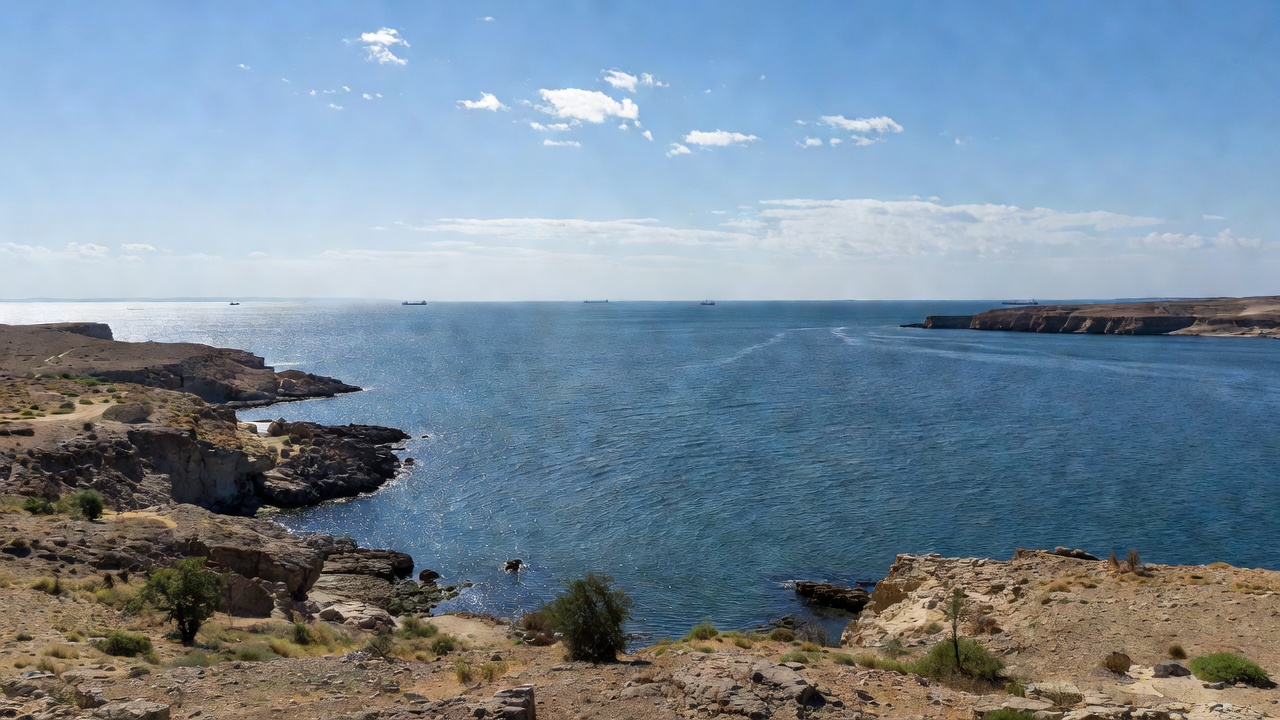
US Central Command announced fresh strikes this week on Iranian air defense systems, command networks, coastal radar sites, anti-ship missile capabilities and more than 60 Islamic Revolutionary Guard Corps vessels to degrade threats to commercial shipping through the Strait of Hormuz. The operation followed Iranian strikes on three tankers in or near the waterway that Washington described as a clear breach of the truce signed in June. According to a PBS News report, the Trump administration also revoked a waiver permitting Iranian oil sales on global markets as part of the response.
Iranian forces fired on the vessels in Oman’s territorial waters earlier in the week, prompting the latest escalation in a conflict that has flared repeatedly since February. A United Nations assessment found shipping in the strait had come to a near-standstill, leaving around 6,000 seafarers stranded aboard hundreds of vessels while Gulf states remained on high alert. Iran’s Health Ministry reported 17 people killed and 115 injured in the latest US strikes across five provinces, figures that aligned closely with data cited in a UN summary of the exchanges.
The episode forms part of the wider 2026 Iran war that began with US and Israeli strikes on February 28, an offensive that killed Supreme Leader Ayatollah Ali Khamenei. A Britannica overview of the conflict noted that Iran retaliated with missile and drone attacks across the region while effectively blockading the strait, through which maritime trade assessments indicate about 25 percent of global seaborne oil and 20 percent of liquefied natural gas normally pass. New leader Ayatollah Mojtaba Khamenei issued his first public statement this week, read on state television after his father’s burial in Mashhad, declaring that vengeance against those responsible for the deaths was the will of the nation.
Mojtaba Khamenei stated, “We pledge to avenge the blood of the martyred leader and all the martyrs of these two wars from the criminal and disgraced killers.” He added, “Vengeance is the will of our nation and must inevitably be carried out. The matter depends neither on my personal existence nor on that of other officials. Whether we are present or not, it will come to pass.” President Donald Trump responded by warning that any Iranian attempt to assassinate him would prompt the United States to decimate all areas of Iran, comments reported after intelligence indicated Tehran had drawn up such plans.
A Congressional Research Service report from March detailed how Iranian mine-laying and vessel attacks had already slashed shipping traffic by more than two-thirds in the initial phase of the war. The latest closure declaration came despite a June memorandum of understanding in which Iran had pledged safe passage for commercial ships in exchange for an end to major combat operations. Mediators continued efforts to revive talks, with Iranian Foreign Minister Abbas Araghchi meeting counterparts in Oman as US officials demanded Tehran publicly affirm the strait remained open.
The United Nations International Maritime Organization expressed alarm at the renewed hostilities, condemning threats to Gulf states and their waters while calling for de-escalation to protect seafarers and global energy flows. Trump had declared the ceasefire over following the tanker incidents but indicated that diplomatic channels would remain active. A New York Times dispatch placed the latest US strikes as targeting sites along the strait and on Qeshm Island, lasting roughly 90 minutes and involving fighter jets in addition to other assets.