ع



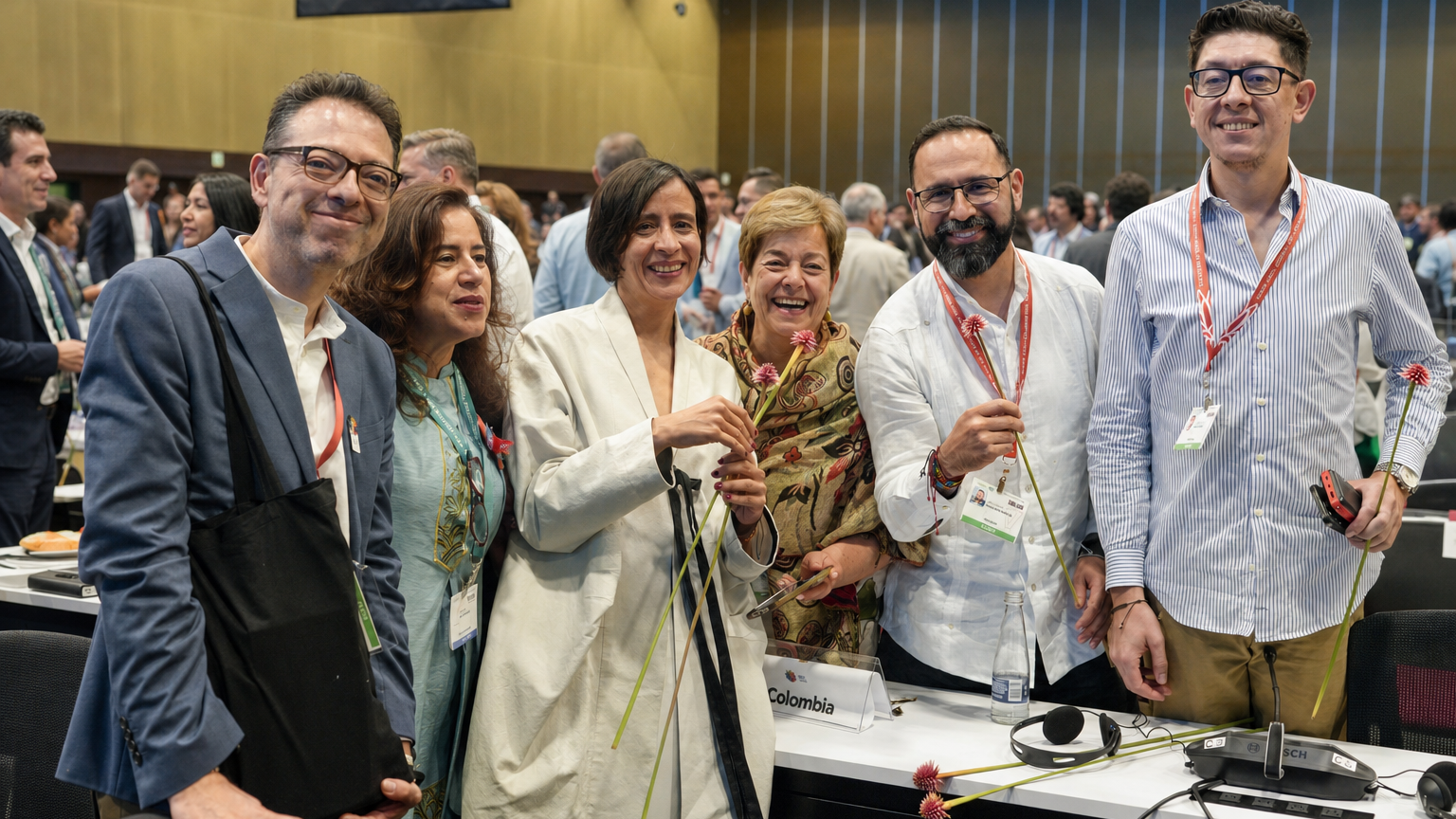
The 16th Conference of the Parties to the UN Convention on Biological Diversity wrapped up its sessions in Colombia without finalising a comprehensive plan to close the biodiversity financing gap, according to reports from the event. Delegates had been tasked with advancing the Kunming-Montreal Global Biodiversity Framework adopted in 2022, which calls for $200 billion in annual spending on conservation by 2030, including $30 billion from developed countries to developing ones. However, as negotiations extended into overtime, many participants departed, leaving insufficient numbers to achieve consensus and forcing Colombian Environment Minister Susana Muhamad to suspend the meeting.
A Reuters assessment found that public funding for nature conservation has stalled, with development money targeted at nature abroad dropping to $3.8 billion in 2022 from $4.6 billion in 2015 according to Organisation for Economic Co-operation and Development figures.[[1]](https://www.reuters.com/business/environment/public-funding-nature-conservation-stalls-cop16-eyes-private-investment-2024-11-03/) At the summit, nations pledged $163 million to the Global Biodiversity Framework Fund, bringing the total to roughly $400 million, still far short of targets. The United States, not a party to the convention, contributed nothing.
Countries did secure agreement on the Cali Fund, which requires companies using digital sequence information from genetic resources in sectors such as pharmaceuticals to pay a percentage of profits or revenues into the mechanism. According to the World Wildlife Fund, at least half of the fund’s resources will go to Indigenous peoples and local communities. This outcome was described as enabling these groups to share in the profits from products derived from nature.
The suspension left developing nations frustrated, with African and Latin American delegates expressing anger over the blockage by rich countries including the European Union, Japan and Canada on proposals for a new global biodiversity fund, a Politico report indicated.[[2]](https://www.politico.eu/article/cop16-biodiversity-cali-colombia-rich-countries-block-global-nature-fund/) Discussions on this fund and other pending items, including a monitoring framework for national biodiversity plans, were deferred to future meetings, possibly in Rome in February 2025. The lack of progress on finance was described by observers as a risk to implementation of the Kunming-Montreal agreement.
An International Institute for Sustainable Development statement noted that while the role of Indigenous peoples was elevated through a new permanent body within the convention and agreements were reached on ecologically or biologically significant marine areas, the financing decisions needed to address the crisis could not be concluded. Pledges continue to fall well short of the estimated $200 billion required annually. Additional outcomes included decisions on aligning efforts between climate change and biodiversity loss.
The conference highlighted deep divisions between the global north and south on resource mobilisation, with the latter pointing to no significant increase in available funds since the 2022 framework, according to a CIVICUS analysis. Harmful subsidies that damage nature are estimated at over $2.6 trillion annually, with a target to redirect $500 billion toward positive activities, yet little headway was made on that front at COP16. As the talks ended in limbo, some participants called for alternative approaches such as wealth taxes to help bridge the gap.