ع



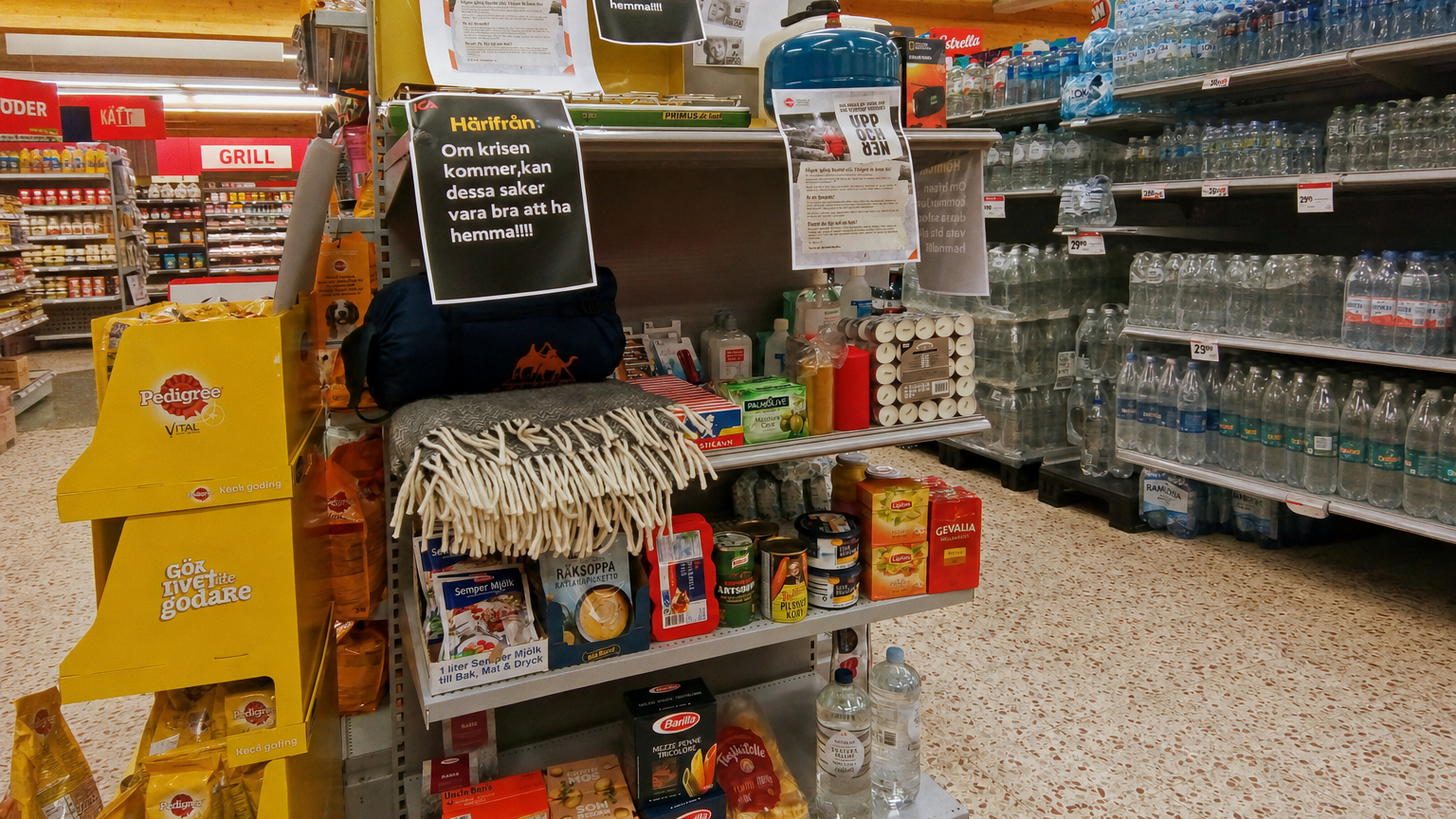
Official preparedness initiatives have intensified worldwide throughout 2026 as authorities seek to equip citizens for potential disruptions ranging from natural disasters to geopolitical conflicts and infrastructure failures. The European Union established a new PreparEU advisory group on October 30 to guide disaster readiness and capabilities while simultaneously releasing survey results showing strong public backing for coordinated responses according to a government preparedness database. A comprehensive global poll by the Lloyd’s Register Foundation based on more than 143000 interviews across 140 countries determined that one in five adults equivalent to roughly 1.1 billion people experienced a disaster in the past five years yet many lacked effective warnings or the means to act.
Recommendations for emergency kits vary by nation but commonly include non-perishable food clean water medications first-aid supplies batteries radios and cash with durations spanning three days to ten days or more. France has called for 72-hour kits while Germany suggests up to ten days of supplies and Nordic countries such as Sweden and Norway advise at least one week of self-sufficiency a roundup by regional news outlets indicated. The United States military under a project known as FORTRESS has ordered bases to maintain three months of independent fuel food and equipment stocks in case of severed supply lines a recent analysis of world leadership actions reported.
Against this official backdrop the British Broadcasting Corporation on October 31 featured everyday people already assembling their own reserves questioning whether their steps reflect prudence or overreaction. In Stockholm Sweden 30-year-old Andreas Wennerberg built a modest basement collection with a crank radio 10 litres of water and the equivalent of 170 pounds in cash after his government mailed a crisis booklet to every household the BBC report detailed. He termed the mailing a wake-up call yet added that he feels secure and is not particularly worried having not fully implemented every suggestion.
In Maryland United States physiotherapist Dan C has invested approximately 6000 dollars in a rotating pantry system designed to prevent food waste while ensuring readiness for his young family the same feature described. His approach mirrors a broader trend in which preppers maintain supplies that proved useful in past events such as the 2009 Kentucky ice storm and 2017 Hurricane Irma cases documented by international correspondents. These personal accounts illustrate how individual preparations can bridge gaps when official services face overwhelming demand.
The commercial response to heightened awareness has driven notable sector growth with one industry assessment projecting the global emergency kits market to expand at a 9.1 percent compound annual rate from 2026 reaching 3.2 billion dollars by 2033. North America currently accounts for the largest share while the Asia-Pacific region records the quickest expansion fueled by industrial growth and disaster exposure the briefing stated. Sales spikes for tinned foods torches and batteries have followed public announcements in several countries underscoring the shift from niche to mainstream activity.
Data from the Lloyd’s Register Foundation assessment released in October 2026 placed individual resilience at its lowest recorded mark on the World Risk Poll index even as societal resilience climbed to 66 out of 100. The poll found that possession of a household disaster plan lifts the rate of acting on warnings from 27 percent to 83 percent while low-income regions such as Central and Western Africa show warning receipt below 50 percent among those affected. Complementary findings from the Global Preparedness Monitoring Board in its 2026 report highlight more frequent and damaging health emergencies alongside declining international aid for pandemic readiness.
As these parallel government campaigns and citizen efforts continue public discussion persists over the balance between sensible foresight and potential alarmism with authorities emphasising measured non-disruptive preparation. Communications from bodies such as the European Commission and national red cross societies consistently frame stockpiling as a means to ease pressure on emergency services rather than a signal of imminent doom. The convergence of official directives personal testimonies and market trends points to a sustained elevation in global self-reliance planning.