ع



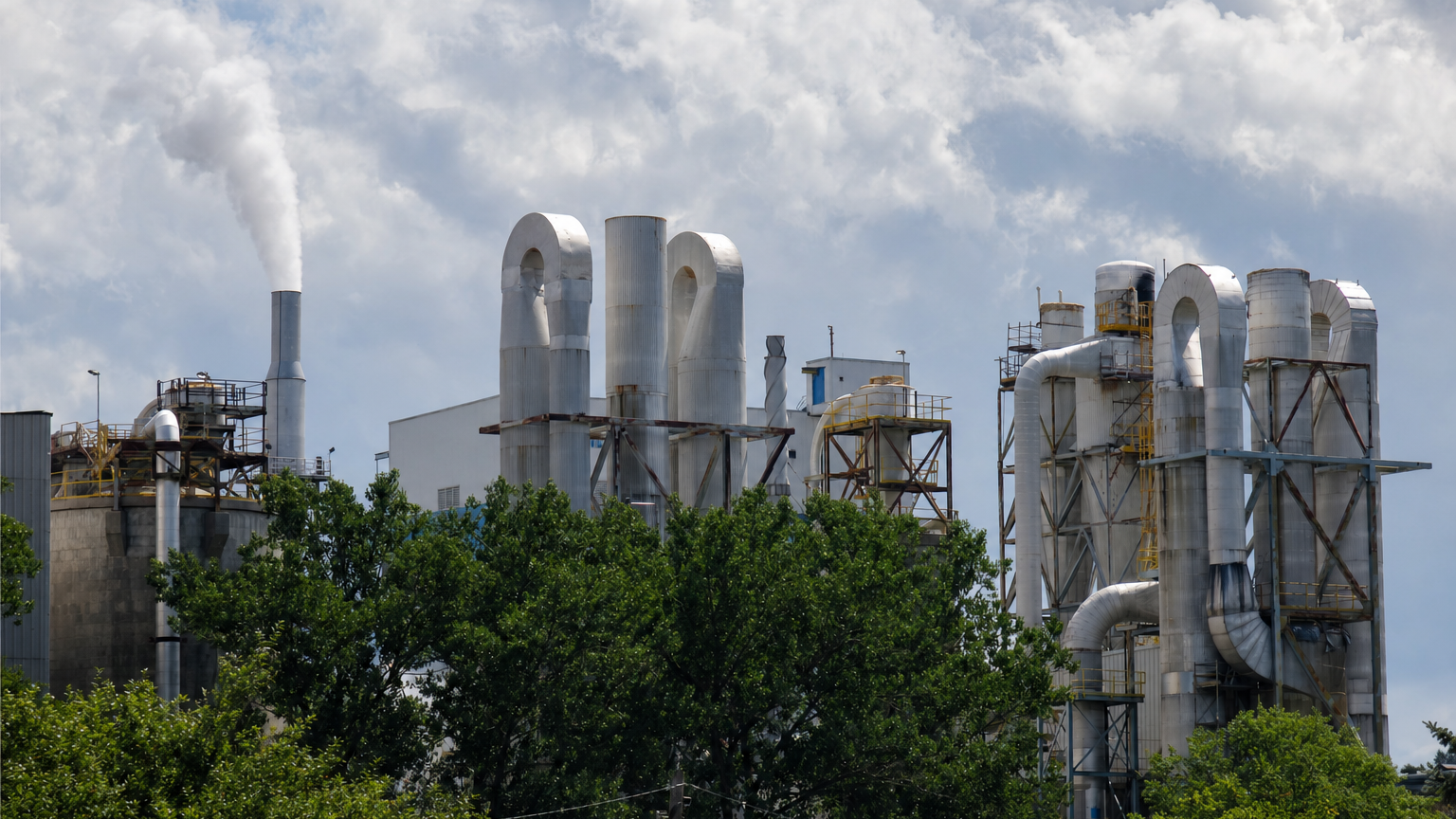
An American-owned pulp and paper mill in Témiscaming, Quebec, began an economic shutdown for an indefinite period in early October, idling most of its 360 employees who are now supported by partial government tariff-relief payments. The move by RYAM, which acquired the facility in 2017, stems directly from 50 percent U.S. duties imposed on C$28 billion of Canadian goods including lumber, pulp and paper products following the collapse of trade talks in August. According to a BBC News report published on October 31, the closure threatens not only livelihoods but a longstanding way of life in the town, where the mill has anchored the local economy for generations. Nadine Suley, a resident whose family ties to the mill run deep, told the outlet it feels like a personal attack, adding that for many it represents far more than employment.
Local union representative Patrick Lefebvre has helped mobilise a coalition of residents aiming to buy the plant back from RYAM, echoing a successful 1973 effort when workers and managers purchased the facility from its then-American owner and transformed it into the Quebec-based Tembec company. Lefebvre stated in the BBC News account that the group is hoping lightning will strike twice but stressed they cannot proceed without substantial support from Prime Minister Mark Carney’s government and the Quebec provincial administration, whether through tariff relief or direct financial aid. The BBC News report noted that forestry concerns have often taken a back seat in national responses to the tariffs compared with steel and automotive sectors. A union-led rally this month drew attention to the industry’s struggles, as residents voiced frustration over limited federal focus on wood products.
The tariffs form part of a wider trade dispute that has already triggered significant job losses elsewhere in Canada, with steel towns experiencing parallel pressures. According to a Walrus magazine assessment published in mid-October, Algoma Steel in Sault Ste. Marie issued roughly 1,000 layoff notices earlier this year after U.S. duties on Canadian steel doubled from 25 percent to 50 percent, reducing the mill’s workforce from more than 2,300 in a city of 72,000. The New York Times reported in September that the same tariffs have strained cross-border ties between Sault Ste. Marie, Ontario, and its Michigan counterpart, with Mayor Matthew Shoemaker describing the measures as feeling like a targeted attack on the community’s core industry. Canadian Steel Producers Association data cited across multiple outlets showed steel exports to the United States plummeting 60 percent in 2025, underscoring the scale of disruption.
Federal and provincial authorities have directed billions toward affected manufacturing sectors, though support for forestry has lagged behind. Industry Minister Mélanie Joly warned Stelco this month of potential penalties or forced asset sales if it proceeded with 500 layoffs linked to steel tariffs, while last week Carney and Ontario Premier Doug Ford unveiled nearly C$9 billion in combined funding over five years to bolster steel, critical minerals and auto manufacturing. A Canadian Manufacturers and Exporters economist told industry publications that the tariffs ripple through integrated supply chains, reducing domestic steel demand as manufacturers lose U.S. sales. Similar dynamics have hit pulp and paper operations, where export reliance has amplified the pain in smaller communities like Témiscaming.
The current campaign in Témiscaming builds on the town’s history of self-reliance when faced with mill closure threats. In 1973, local workers secured ownership and expanded the operation internationally before its later sale. Lefebvre indicated in remarks carried by BBC News that significant government backing would be essential for any repurchase to succeed and sustain operations. Residents have also turned to traditional activities such as moose hunting to stretch resources during the uncertainty, with some noting the need for community support networks. Broader government figures place thousands of forestry jobs at risk nationwide from the duties, though exact tallies for pulp mills remain tied to ongoing negotiations.
Public responses to the tariffs have included calls for diversified trade partnerships and stronger domestic demand, as seen in other hard-hit regions. Tenaris, which operates a steel pipe facility in Sault Ste. Marie, recently invested C$306 million to expand Canadian-focused production, according to company statements that highlighted reduced U.S. exposure. Mining, energy and infrastructure projects have begun offsetting some losses in steel, per a Mining Engineering Online review, yet forestry communities continue pressing for equivalent attention. Carney has described the relationship with the United States as permanently altered, signaling long-term planning for economic resilience across multiple sectors.