ع



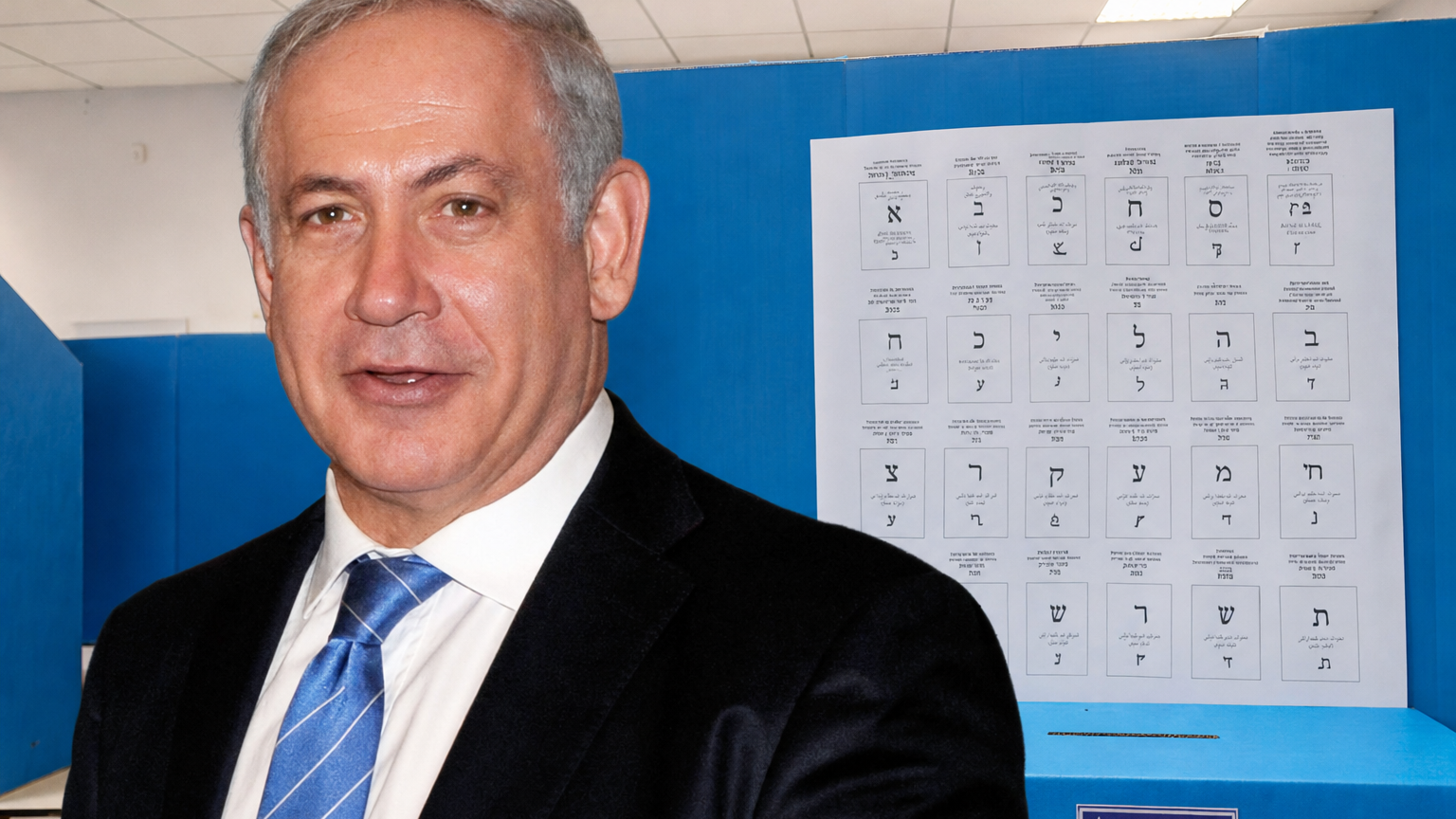
Voters began casting ballots at 7 a.m. local time with polling stations set to close at 10 p.m. the Israeli Central Election Committee reported. Some 7.3 million citizens are eligible to participate including 330,000 first-time voters according to the committee’s data shared with multiple news organizations. The vote marks the first parliamentary election since the Hamas-led attacks on October 7 2023 that killed nearly 1,200 people in Israel and led to 251 hostages being taken a figure cited across reports from the New York Times and Reuters.
The election has centered on accountability for the security lapses that enabled the October 7 assault with the opposition bloc led by Eisenkot’s Yashar party demanding a state inquiry that Netanyahu has resisted the Jewish Telegraphic Agency noted. Eisenkot whose own son was killed in the subsequent Gaza war has positioned his alliance as the path to restoring effective governance and protecting democratic institutions according to analysts speaking to the Atlantic Council. Far-right partners in Netanyahu’s government including ministers Itamar Ben-Gvir and Bezalel Smotrich have pushed for expanded control over the West Bank and Gaza a stance that has drawn international criticism and contributed to Israel’s isolation Bloomberg reported.
Polls published ahead of the vote indicate neither the right-wing bloc nor the opposition is likely to secure the 61 seats required for a majority in the 120-seat Knesset setting the stage for extended coalition talks or even new elections in 2027 the Times of Israel assessment found. A Channel 12 survey highlighted that 21 percent of Israelis rank the economy and cost of living as their top concern surpassing security issues for many particularly among younger voters according to data cited by CNN. Among Netanyahu supporters the conflict with Iran ranks higher while opposition voters prioritize the October 7 failures the same poll breakdown showed.
Netanyahu’s coalition has emphasized continued military operations to enhance security without compromise a platform outlined in his Likud party’s manifesto and covered by CNBC. In contrast the opposition has criticized the prime minister’s ongoing corruption trial and his judicial reform efforts that sparked mass protests prior to the 2023 attacks positions detailed in reporting by the Financial Times. Recent media accounts from Israel’s Channel 12 and CNN have alleged that Netanyahu sought last-minute military action against Iran before the election a claim his office has denied.
Security remains a dominant theme with both sides presenting themselves as the best guarantors of Israel’s safety amid ongoing conflicts in Gaza where the Palestinian Ministry of Health has reported over 74,500 deaths according to figures referenced by CNBC. The vote also touches on integrating ultra-Orthodox communities into military service and addressing the economic costs of prolonged conflict topics highlighted in pre-election analysis from the Israel Democracy Institute via the Atlantic Council. Police deployed around 20,000 officers and the election committee utilized 15,000 cameras to ensure integrity at polling stations the Jewish Telegraphic Agency stated.
Mali Hajaj an Education Ministry employee supporting Eisenkot said in an interview with Reuters “the most important thing is the establishment of a national inquiry because that’s where our healing will come from.” This sentiment reflects broader calls for accountability that have defined much of the campaign discourse according to observers at Hebrew University. With results not expected immediately due to the complex coalition mathematics the coming days are likely to see intense negotiations among parties including potential roles for Arab and smaller factions as projected by multiple Israeli media outlets.