ع



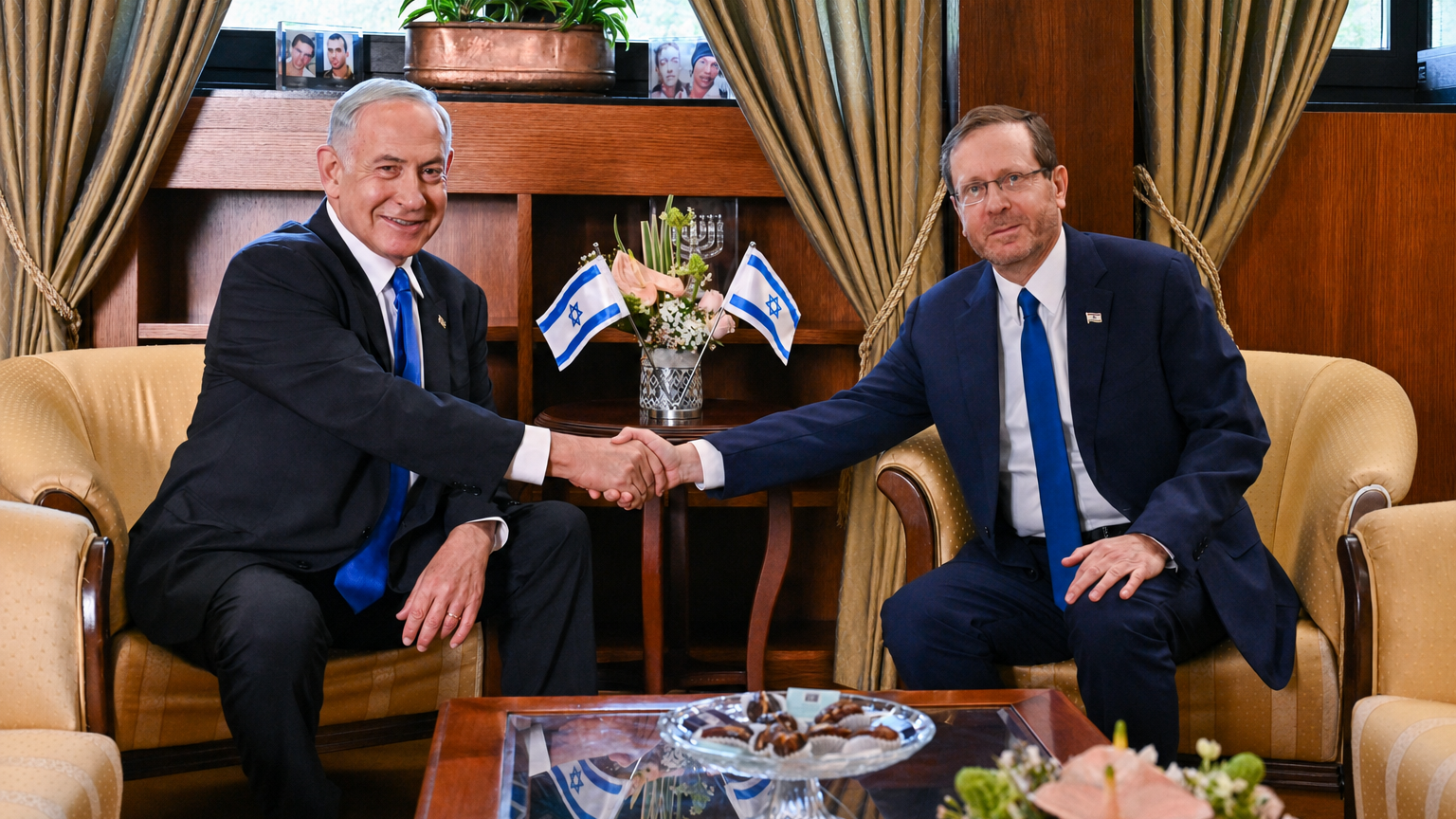
Election results due by November 4 will trigger a formal process in which President Isaac Herzog consults with party leaders before tasking a lawmaker with forming a government, according to the Israel Policy Forum. That candidate will have 28 days to build a coalition, with the possibility of a 14-day extension from the president. A second candidate may then receive 28 days without extension if the first fails, while a further option allows 61 lawmakers to nominate someone within an additional 21 days, the Times of Israel reported.
Israel’s proportional representation system requires parties to surpass a 3.25 percent electoral threshold to gain seats in the 120-member Knesset, where no single party has ever secured an outright majority, a Council on Foreign Relations assessment found. Coalition-building has historically taken between 50 and 100 days in recent decades, with the longest gap reaching 100 days in 1955, according to data compiled by the Israel Democracy Institute. The current deadlock, with each major bloc projected at around 50 to 54 seats, amplifies the influence of smaller parties including ultra-Orthodox factions and Arab-led lists.
Pre-election surveys placed Netanyahu’s right-wing and religious allies at roughly 50 seats while the opposition centered on Eisenkot’s Yashar party and partners hovered near 52 to 56, Reuters figures show. Arab parties could hold the balance with a projected 10 to 16 seats, though several Jewish-led groups have ruled out partnering with them, the New Arab analysis indicated. Haredi parties have conditioned their support on legislation exempting ultra-Orthodox students from military conscription, an issue that contributed to the previous coalition’s collapse in 2025.
Professor Gideon Rahat of the Israel Democracy Institute told JNS that the post-election period would involve complicated negotiations, stating, “It will take time; there will be a lot of complicated negotiations, and the election is just the first part.” Potential scenarios include a narrow coalition, a minority government reliant on external support or repeat elections in early 2027 if no agreement emerges, according to four outcomes outlined by the Straits Times. The outgoing government continues in a caretaker capacity throughout the process.
Coalition talks often hinge on ministerial portfolios, policy concessions and budget allocations demanded by smaller partners, a pattern evident in the five elections held between 2019 and 2022, the Israel Policy Forum noted. Public Authority for Civil Information data places Israel’s electorate at more than 6.5 million eligible voters, with turnout in recent cycles averaging above 70 percent. Regional conflicts since the October 7 2023 attacks have added urgency to security and conscription debates that could shape bargaining positions.
If initial attempts collapse, the Knesset dissolves and new polls must occur within approximately 90 days under statutory timelines, the Times of Israel explained. Analysts from the Council on Foreign Relations have warned that personal ambitions among opposition leaders and red lines over far-right participation may further extend the timeline. Final results from Tuesday’s balloting will clarify which blocs hold the strongest hand in the ensuing talks.