ع



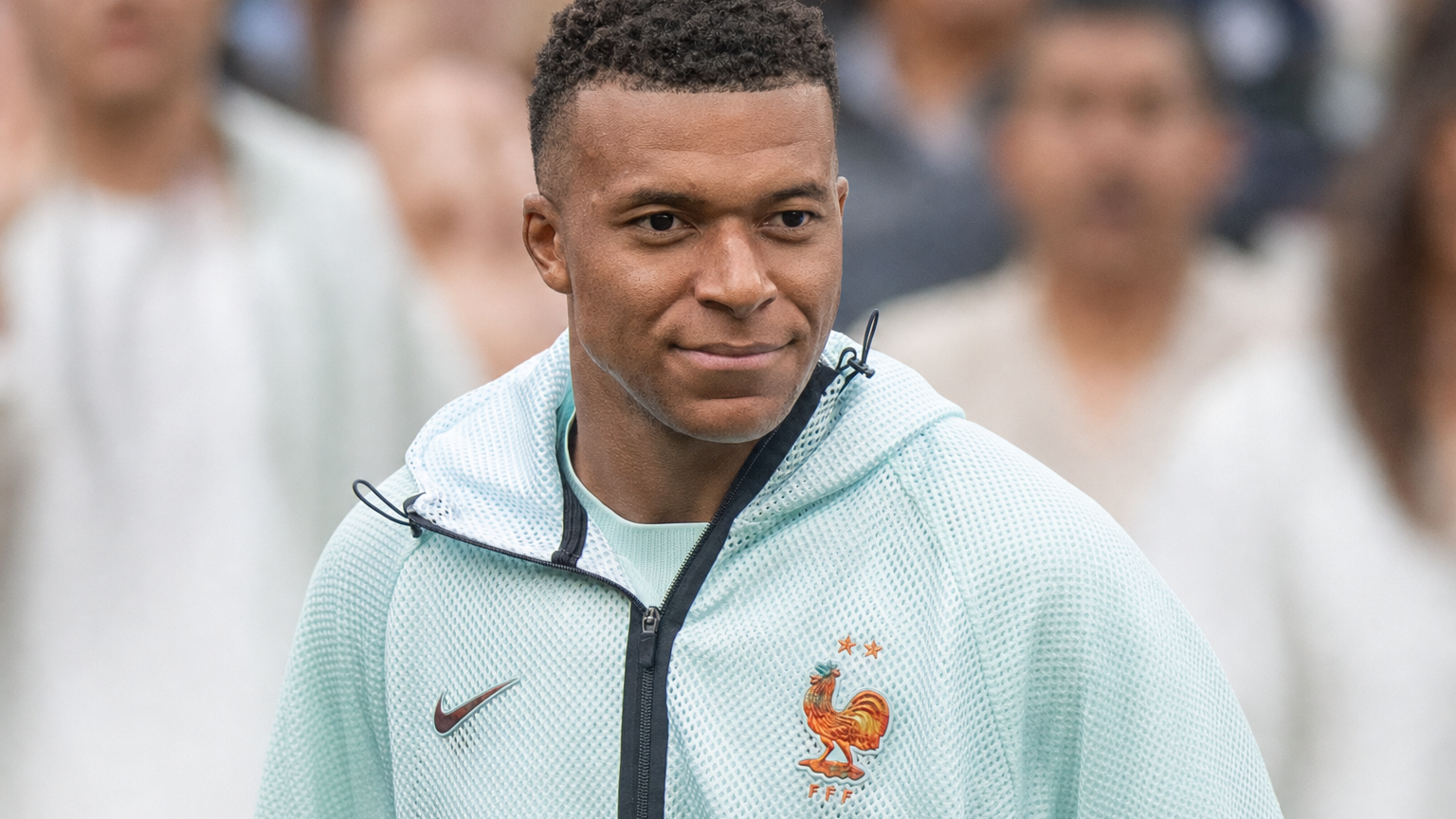
Beverage maker Dongpeng and dairy giant Mengniu both announced on October 27 that they were immediately ending all cooperation with the French footballer. Dongpeng said in a statement, “Our company firmly opposes and has a zero-tolerance policy towards any behaviour that offends national sentiments,” while adding that it was terminating its partnership with immediate effect. Mengniu, China’s largest dairy producer and an official FIFA World Cup sponsor, issued a similarly worded statement declaring it had a zero-tolerance policy towards any words or actions that hurt the feelings of the Chinese people.
A clip from the French online talk show The Bridge that spread rapidly on Chinese social media shows Mbappé identifying his favourite internet meme as one in which his face was photoshopped onto that of “some guy – I think he’s a Chinese dictator.” The video then displays an image resembling Mao Zedong with Mbappé’s features superimposed as the player adds that the meme makes him laugh and that he uses it with friends all the time. The original footage is no longer available on the show’s YouTube channel but screengrabs circulated widely, according to reports from Bloomberg News and The Guardian.
According to The Guardian, the backlash on Weibo saw users accuse Mbappé of profiting from the Chinese market while making remarks that offend the public, with some calling for his image to be removed from product packaging. Dongqiudi, one of China’s largest online football platforms, stated that the comments were offensive to China and the Chinese people and had hurt the feelings of Chinese football fans. Hashtags related to the brand terminations quickly topped trending lists on the platform.
China’s foreign ministry weighed in on the matter with spokesperson Lin Jian stating that words and deeds hurting the feelings of the Chinese people would naturally meet opposition from all sectors of society. Bloomberg News noted that jokes about Mao, the founding leader of the People’s Republic of China who died in 1976, remain a strict social taboo in the country. The episode follows a pattern in which international celebrities and companies have faced swift commercial repercussions for perceived slights to national sentiment.
Cheese maker Milkground and social media platform RedNote also cut ties, with the latter saying it had ended a content partnership at the close of 2024 and would remove related promotional materials, the Associated Press reported. Prior to the controversy Mbappé maintained a large commercial presence in China with advertisements in subway stations and elevators as well as millions of followers on local social media, according to multiple accounts. The player had featured in AI-generated promotions for Dongpeng’s electrolyte drinks during this year’s World Cup.
The developments come a day after Mbappé finished second to England’s Harry Kane in the 2026 Ballon d’Or voting, various outlets observed. In a September interview with L’Equipe the forward had addressed similar memes comparing him to historical figures, saying he found some amusing but rejected associations with individuals linked to atrocities. No public response from Mbappé or his representatives to the Chinese backlash had emerged as of October 27.