ع
ع


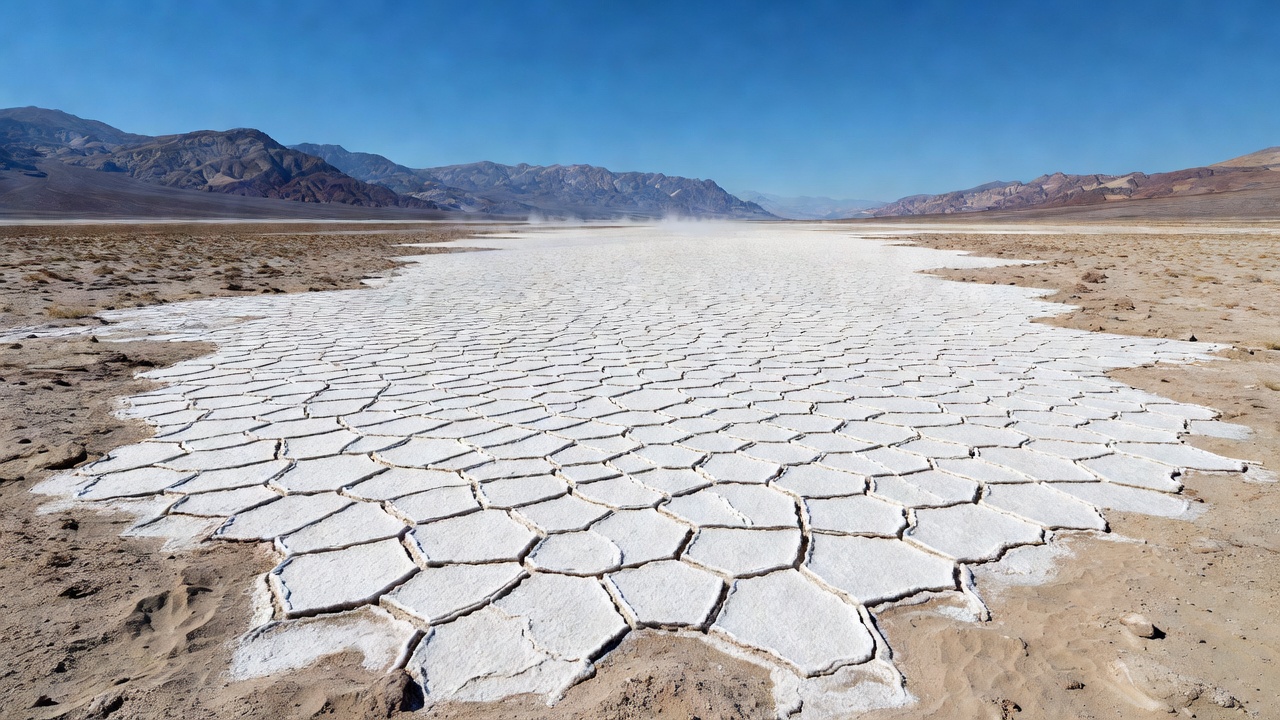
Pierre Michel Formosa and a fellow French traveler were driving along West Side Road near Queen of Sheba Mine Road when their car became mired in mud, the National Park Service reported. The pair left the vehicle and began walking across the salt flats toward Badwater Road in search of assistance, but after covering roughly 1.3 miles Formosa could proceed no farther in the extreme conditions. His companion continued alone, flagged down a passing motorist and reached the Furnace Creek Visitor Center around 2 p.m. to raise the alarm, prompting rangers and an Inyo County deputy to launch a search that included a California Highway Patrol helicopter. The helicopter located Formosa about 1.5 miles from Badwater Road later that afternoon, where he was pronounced dead at the scene.
National Park Service officials confirmed temperatures hit 116 degrees Fahrenheit on the day of the incident, part of an ongoing extreme heat warning across the region. The fatality marks at least the second heat-related death in Death Valley National Park this summer, following the July 3 loss of a 65-year-old man found inside his vehicle off North Highway, according to park records. Heat illness has been cited as a factor in multiple visitor deaths at the park in recent years, with rangers responding to overheated tourists on a weekly basis even as they distribute safety information.
Death Valley National Park Superintendent Mike Reynolds described the event as a heartbreaking reminder of how quickly conditions can turn dangerous. “Death Valley is an extraordinary place, but its heat, distances, and remoteness can be dangerous, regardless of experience,” Reynolds stated. He expressed gratitude to all who participated in the search effort and extended the park’s thoughts to Formosa’s loved ones, while noting that coroners would determine the official cause and manner of death.
The National Park Service advises visitors to avoid hiking or walking in lower elevations after 10 a.m. during hot weather, to remain within minutes of their air-conditioned vehicles and to consume at least one gallon of water per person daily. Signs throughout the park warn that “HEAT KILLS” and that medical evacuation helicopters cannot operate safely above 120 degrees, guidance drawn from the park’s long-standing summer safety protocols. Park data indicates one to three heat-related visitor deaths occur annually despite these repeated alerts, a toll that has prompted intensified messaging in recent seasons.
Extreme heat has claimed additional lives in other national parks this year, with at least four hikers perishing in the Grand Canyon during June from suspected heat-related causes, according to National Park Service tallies. Death Valley, which sits more than 200 feet below sea level and is surrounded by mountain ranges that trap heat, holds the distinction of being among the hottest places on Earth, with reliable records showing temperatures as high as 130 degrees Fahrenheit in recent summers. Forecasters had identified the week of the incident as potentially the hottest of the summer so far for Southern California, building on a pattern of record heat waves that have tested visitor preparedness at Western landmarks.
The National Park Service continues to urge those planning visits during peak summer months to confine activities to higher elevations where temperatures are cooler or to limit exposure to paved roads and shaded areas near facilities. In the wake of Formosa’s death, officials reiterated that even experienced travelers can succumb rapidly when vehicles fail or when individuals underestimate the arid environment’s demands. Park spokespeople have noted that many visitors recognize the theoretical risks yet fail to adjust their behavior, a gap highlighted in multiple safety reviews of heat-related incidents across the national park system.