ع



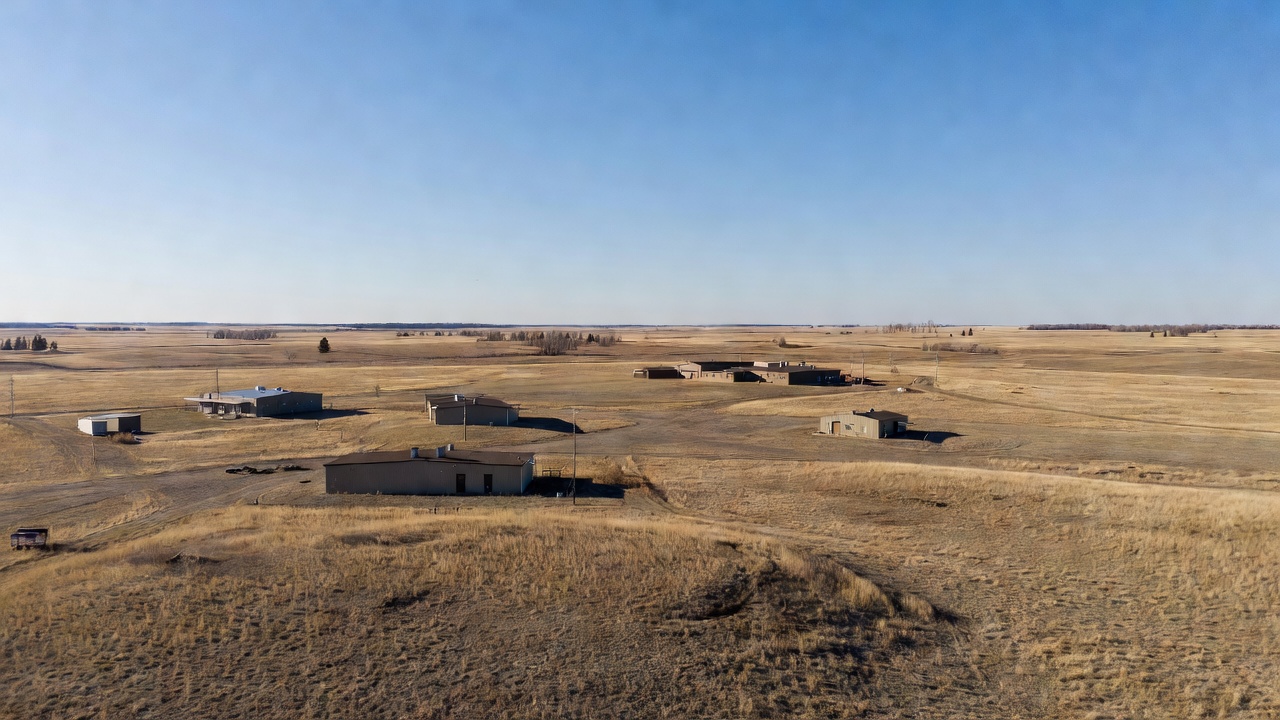
Prime Minister Mark Carney confirmed on Sunday that four service members died in the fire at Canadian Forces Base Wainwright while dozens more sustained serious injuries including severe burns. Carney, speaking from Ottawa, ordered flags lowered to half-staff on federal buildings nationwide and said the nation was in mourning for the personnel lost during what he termed a violent and fast-moving blaze. The Canadian Armed Forces stated that next of kin had been notified and that the soldiers were preparing for a 2027 NATO deployment to Latvia.
The deceased were identified by military officials as Sgt. Morgan Wong of the Loyal Edmonton Regiment, Pte. Shaun Farrell, Pte. Aidan Goulding and Pte. Hayden Lykkemark, all serving with the Third Battalion of Princess Patricia’s Canadian Light Infantry. Alberta Premier Danielle Smith reported at a briefing that 39 patients were admitted across provincial hospitals with 19 in critical condition, eight stable and 12 treated for ambulatory injuries. Smith added that some burns were so extensive that recovery could take weeks or months of specialized care.
Major-General Wade Rutland, commander of the 1st Canadian Division, told reporters that the fire began as a grass fire on a training range amid high-intensity combat exercises using live munitions. Uncommonly strong winds reaching up to 96 kilometres per hour caused the flames to spread rapidly and shift direction toward soldiers at the range administrative area, Rutland explained according to accounts in The New York Times and The Washington Post. A preliminary military assessment found that a munition likely sparked the initial grass fire, Global News reported citing sources familiar with the inquiry.
Canadian Armed Forces officials stated there were no indications of terrorist activity although the cause and full circumstances remain under active investigation with support from the Royal Canadian Mounted Police. The base, one of the army’s primary training facilities located about 200 kilometres southeast of Edmonton, was operating with roughly 1,310 military and civilian personnel as of the latest available census data. Fire crews continued monitoring the scene and surrounding rural areas on Sunday to guard against flare-ups, Wainwright Mayor Bruce Pugh told local media.
Acute Care Alberta data placed the emergency medical response at more than 10 hours, deploying 22 ground ambulances, six fixed-wing aircraft and two helicopters with assistance from Saskatchewan. Multiple Edmonton hospitals activated Code Orange protocols for mass casualties before standing them down on Sunday afternoon as the patient load stabilized. One emergency physician described the sudden influx to CBC News as more patients than any of the staff wanted to count in what amounted to a one-in-15-to-25-year disaster.
Carney reiterated that the affected personnel included reservists and members drawn from bases across Canada who had been training to support international commitments. The military emphasized in a statement that its immediate focus remained on supporting the injured, their families and the broader armed forces community during the assessment period. Rutland noted that investigators continued to examine the precise sequence of events on the range where 10 soldiers had been practicing an attack on a simulated enemy position.