ع
ع


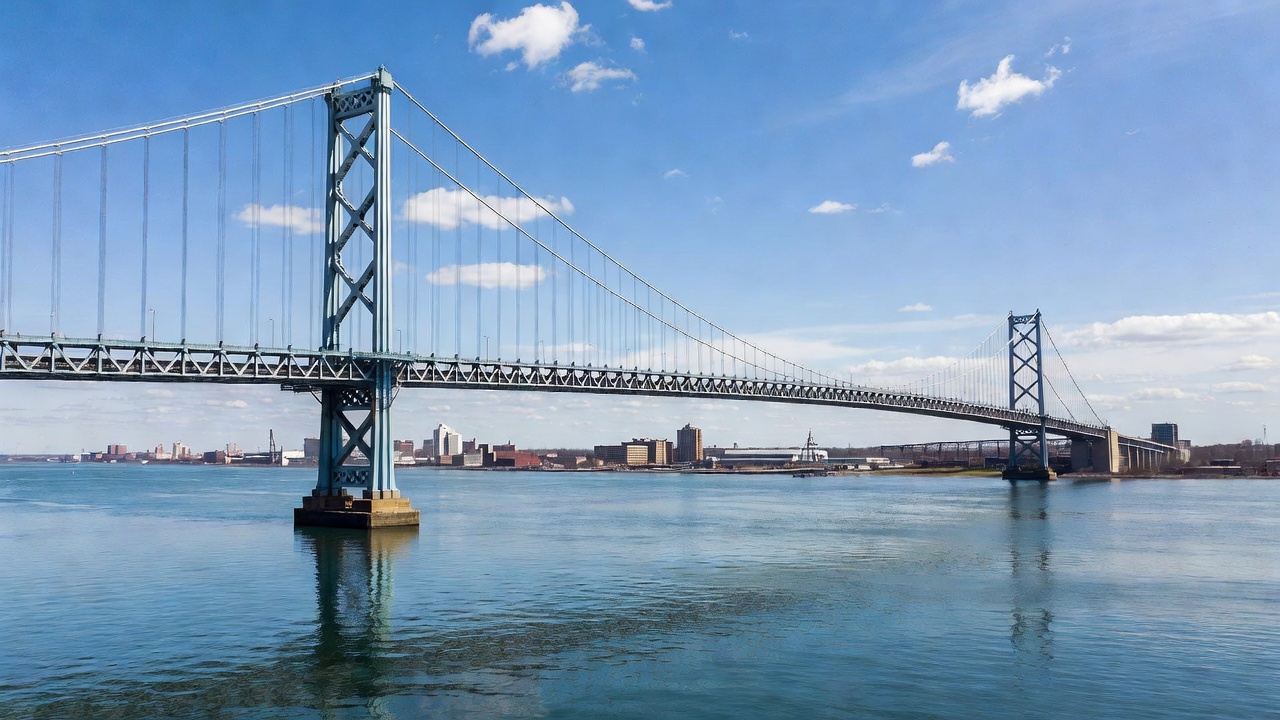
The United States imposed 50 percent tariffs on approximately 20 billion dollars worth of Canadian goods this month after negotiations broke down, prompting Canada to prepare matching countermeasures, according to Reuters. Prime Minister Mark Carney stated that the retaliatory duties would protect Canadian workers, farmers and businesses while targeting items such as steel, dairy, appliances, agricultural equipment, electronics, pulp and paper. Ontario Premier Doug Ford has emerged as one of the most vocal critics, declaring that an energy surcharge is on the table and telling the US president to “kiss my ass” in response to the threats.
Canada supplies the vast majority of American imports of natural gas and electricity along with about 60 percent of crude oil, Carney noted in recent statements. A 2025 market snapshot from the Canada Energy Regulator showed that Canada provided 63.4 percent of US crude oil imports and nearly all of its natural gas imports, generating 157.5 billion dollars in energy exports to the United States. Ford, whose province is central to auto manufacturing, floated a 25 percent surcharge on electricity exports in 2025 that officials estimated would affect 1.5 million homes and businesses across Michigan, Minnesota and New York, though such steps remain under discussion rather than in initial tariff lists.
Potash represents another area of leverage since Canada is the world’s leading supplier and the United States imports 85 to 90 percent of its needs from Canadian sources, according to Natural Resources Canada and related analyses from the Balsillie School. Bilateral mineral trade between the two countries reached 129.3 billion dollars in 2025 with Canadian exports to the US valued at 76.4 billion dollars despite a 9 percent decline, the department’s figures show. Ford told the Associated Press that the US “won’t get a grain of sand out of Ontario,” while also warning that Trump would struggle to grow crops without Canadian potash or operate vehicles without its oil, adding that “President Trump underestimates us, and that’s the biggest mistake.”
Earlier provincial bans on US alcohol in response to prior tariff waves caused American wine exports to Canada to drop 78 percent year over year for a loss of 357 million dollars, according to government data cited in multiple reports. Distillers associations reported similar declines exceeding 70 percent for spirits, with the boycott still in effect across 11 of 13 provinces and territories. Canadian travelers also made 800,000 fewer trips to the US in April compared with the previous year, contributing to an estimated 3.3 billion Canadian dollars in lost US revenue last year, national statistics indicate, prompting some American destinations to launch promotional campaigns.
An Angus Reid poll conducted over the weekend found that 76 percent of Canadians support walking away from the negotiations despite concerns over job security, a stance reflected in the united front among provincial leaders. Financial analysts have projected that the latest US tariffs on 20 billion dollars in Canadian imports could reduce the country’s GDP growth by 0.3 to 0.6 percent in the near term, a Fraser Institute commentary noted. The Office of the United States Trade Representative placed total bilateral goods and services trade at 872.3 billion dollars in 2025, underscoring the interdependence that makes escalation costly for both sides.
The timing aligns with approaching US midterm elections where the economy remains a central issue and Republican prospects in Congress appear vulnerable, particularly in border states such as Michigan and Maine that count Canada as a top export market. Carney highlighted the reliance of workers in Michigan, Ohio, Kentucky and Alabama on Canadian consumers who buy more American vehicles than those in the EU and elsewhere combined. British Columbia Premier David Eby told reporters that the US policy would raise costs for American consumers on items ranging from plywood and flooring to cut flowers and fishing rods, calling it “a bizarre policy for Americans” that “is going to hurt them.”
Earlier modeling from Cirano projected that equivalent tariffs without retaliation could shrink Canadian GDP by more than 3 percent and eliminate hundreds of thousands of jobs, though actual 2025 growth reached 1.7 percent according to Statistics Canada despite being the weakest since the pandemic. A Financial Accountability Office of Ontario assessment forecast 119,200 fewer jobs in that province by 2026 under sustained tariffs with manufacturing GDP falling 8 percent. Canadian officials continue finalising the precise targets for September duties while emphasising that energy curbs and mineral restrictions have not been ruled out as the dispute risks further escalation ahead of broader USMCA review talks.