ع



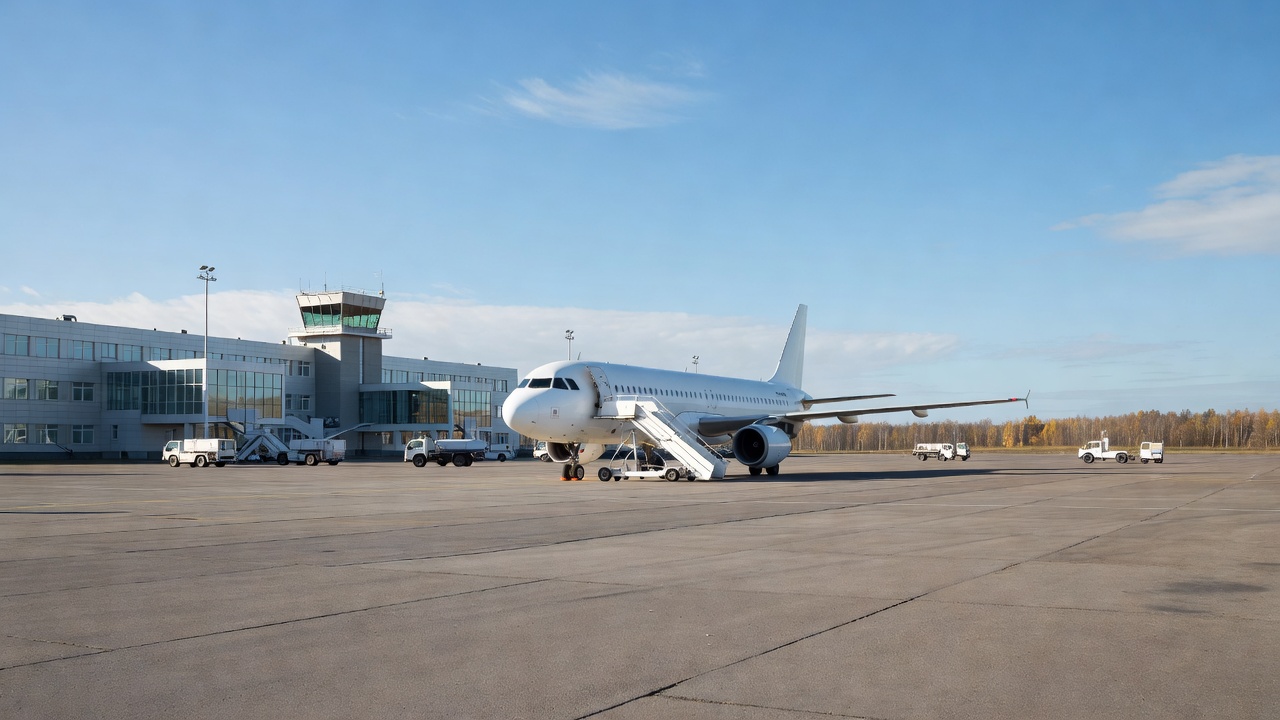
Four planes carrying evacuees from Oleshky landed in Gomel on Saturday morning, according to Belarusian state media and Ukrainian officials. David Arakhamia, a senior Ukrainian lawmaker, announced that the fourth and final aircraft had touched down, with the group set to proceed by bus convoy to the border. Belta news agency reported that the residents were met by medical teams, rescue workers and Red Cross volunteers at the airport before continuing their journey. The complex evacuation route took the civilians by bus through Russian-occupied Crimea to the Russian city of Anapa, from where they flew to Belarus, Reuters reported. Ukrainian Human Rights Commissioner Dmytro Lubinets accompanied the group and stated that they would soon reach home, noting the presence of residents and their pets among the travelers.
The operation unfolded during an 87-hour localised ceasefire across the Kherson frontline that took effect on October 27 and is due to last until November 1, Al Jazeera reported. The pause, described as the longest humanitarian window since Russia’s full-scale invasion began in 2022, was brokered with involvement from US First Lady Melania Trump, according to multiple accounts from Ukrainian and Russian officials. It enabled demining of roads out of Oleshky and allowed a convoy of 25 buses with capacity for 750 people to depart the town on Friday along with ambulances for those with limited mobility. Ukrainian Prime Minister Serhii Koretskyi told parliament that 527 residents had registered to return to government-controlled areas, where accommodation had been prepared across several regions.
Oleshky, occupied by Russian forces since February 2022, has endured catastrophic conditions with no electricity, gas or running water for months, a Meduza investigation found earlier in October. The pre-war population of roughly 24,000 had dwindled to between 1,700 and 2,000 people, including around 180 children, according to Ukrainian local authorities cited by the Kyiv Independent. Residents faced severe shortages of food and medicine, with the last confirmed aid delivery occurring in May, leaving many to rely on garden produce, preserves and barter while surrounded by minefields. A Kyiv Post report from September detailed how the town had become a humanitarian catastrophe, with some civilians attempting dangerous journeys on foot to escape.
The Ukrainian delegation that entered Oleshky on October 30 to oversee the evacuation and distribute aid included Lubinets and several staff members, RBC-Ukraine reported. Russian Human Rights Commissioner Yana Lantratova coordinated on the ground with Ukrainian counterparts, confirming that residents were offered choices to head to Ukrainian-held territory, Russian-controlled areas or remain with fresh supplies. Those who stayed will receive humanitarian assistance, Lubinets said in a statement. The evacuees who opted for Ukraine will cross at the Nova Huta border point after their stop in Belarus, Belta added.
This mission marks the first coordinated large-scale civilian extraction of its kind in nearly five years of conflict, coming as the war nears its fifth anniversary, Reuters noted. Ukrainian officials had long sought such an operation, but previous attempts stalled over logistical and security concerns, according to a Meduza feature on the town’s isolation. The involvement of Belarus as a transit point reflects the convoluted geography imposed by the frontline, which lies only a few kilometres from Oleshky. Authorities on both sides have yet to release a final tally of how many people departed or remained behind in the town.