ع



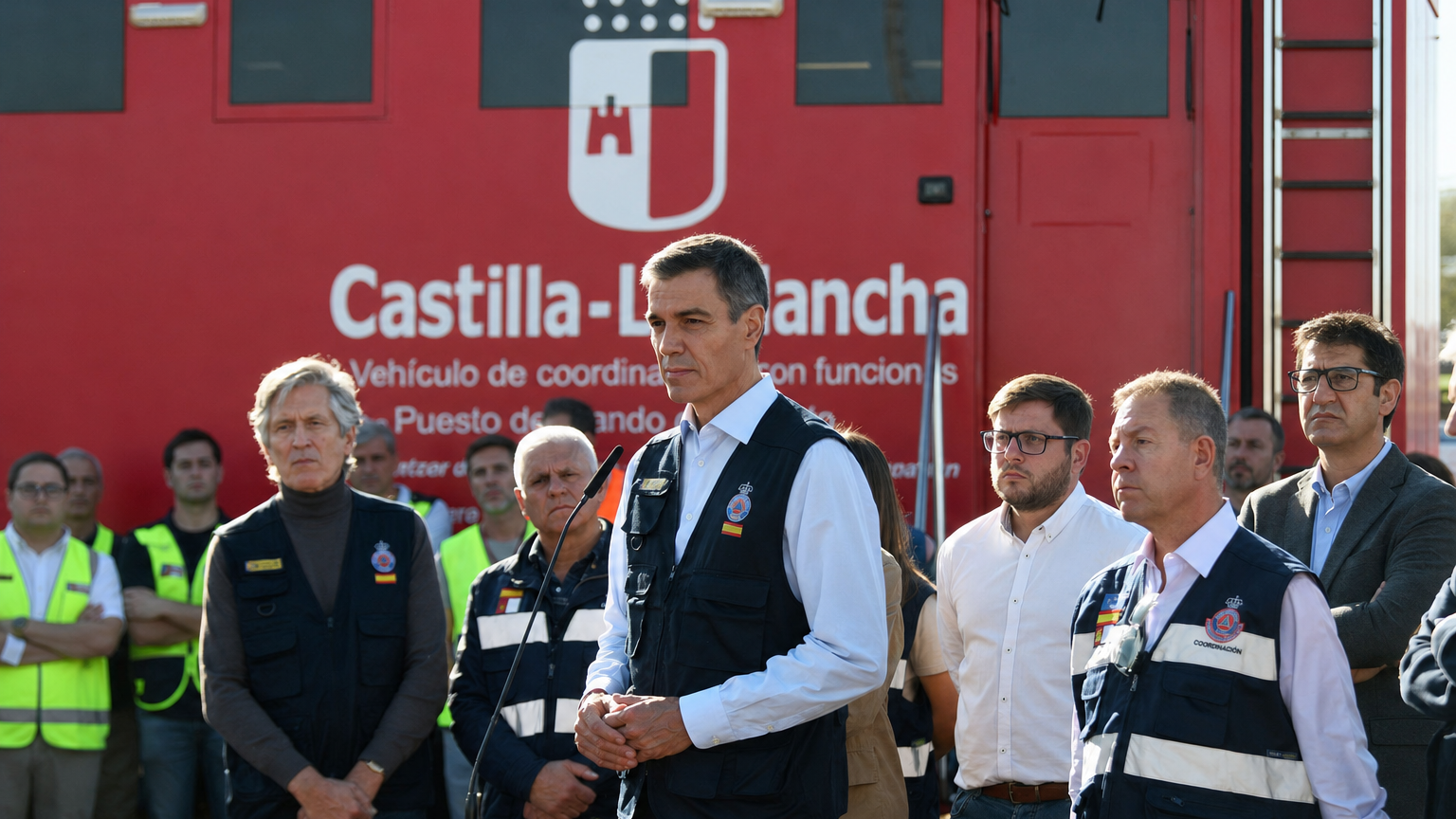
A high-speed train traveling from Madrid to Seville struck the rear of a stationary train on the same track near Urda in Toledo province on October 28, according to emergency services and a Reuters report. Transport Minister Óscar Puente attributed the collision to both a failure in the LZB train-control system, in use since the line opened in the 1990s, and human error by an official in the national railway control center who instructed the moving train to proceed. The regional leader of Castilla-La Mancha, Emiliano García-Page, stated that the death toll reached 69 after one more body was found overnight, with about 50 people still hospitalized as identification of the dead continued.
This incident marks the second deadly crash on the Madrid-Seville high-speed line in nine months, an AP News dispatch noted, following an accident near Cordoba in January that killed 46 people. Spain maintains the world’s second-largest high-speed rail network after China with roughly 4,000 kilometres of track, Reuters data shows, yet surveys conducted after the earlier crash indicated that nearly 60 percent of respondents had little or no trust in the railway system. A Bloomberg assessment found that questions over maintenance and investment have intensified amid the rapid network expansion under the current government.
Prime Minister Pedro Sánchez called the snap election for November 29 after the eviction and subsequent death of an octogenarian named Maricarmen Abascal sparked widespread protests over the housing crisis, which polls consistently rank as voters’ top priority, a CNN report said. His Socialist Party had appeared to gain some momentum in October with a state-run CIS poll showing it ahead, though the party had been trailing for most of the year. The train disaster has now shifted campaign attention toward public infrastructure safety and government accountability.
The latest surveys this week place the centre-right Popular Party at 31.5 percent, the Socialists at 26.7 percent and the far-right Vox at 19.1 percent, an Al Jazeera article citing those figures reported. A Popular Party-Vox alliance would command a parliamentary majority in almost 95 percent of simulations, according to Carlos III University professor Pablo Simon. The opposition has seized on the crash to question the government’s management of critical services, with Popular Party leader Alberto Núñez Feijóo calling for an immediate and unhindered investigation.
Sánchez visited the crash site twice and described the event as a terrible tragedy while pledging that the state would support victims’ families. “If we need to strengthen safety measures further to restore confidence in the high-speed rail network, we will do so, because it is unacceptable for a country like Spain to experience two high-speed train accidents within one year,” he said. A Socialist lawmaker, speaking anonymously to Politico, stated that the crash “inevitably upends the campaign and deals a blow to Sánchez.”
Analysts including Chatham House Europe programme director Grégoire Roos told CNN that the disaster has further eroded public confidence in the government already facing criticism over corruption allegations and migration policy. The incident prompted three days of national mourning and protests outside the transport ministry, some organised by groups linked to Vox, according to NBC News. Rescue efforts involving more than 800 personnel, helicopters and specialist equipment continued for days as cranes removed overturned carriages.