ع



A high-speed train operated by Spain’s state-owned Renfe company rear-ended a stationary Iryo train on the Madrid-to-Seville line near Urda in Toledo province just after 9am local time on October 28, causing multiple carriages to derail and plunge down an embankment. The Castilla-La Mancha regional government put the confirmed death toll at 68 with the figure expected to rise as rescuers continued searching wreckage that included twisted metal strewn across the site. Transport Minister Óscar Puente told reporters a computer malfunction in the LZB safety system at 8:30am had automatically halted six trains along a 63-kilometre stretch of track. Puente said the central command in Madrid then authorised the Renfe train to proceed without speed restrictions, a decision he described as made under inexplicable circumstances. Regional authorities reported that the two trains carried a combined total of 544 passengers.
Spain’s transport ministry confirmed the Renfe service had 397 passengers on board while the Iryo train carried 146 adults and one infant. According to initial breakdowns shared by officials, 24 of those killed were aboard the Renfe train and 44 were on the Iryo service. Emergency services treated more than 100 injured passengers, with 80 taken to hospital, 50 of them in serious condition and 15 listed as critical. The president of Castilla-La Mancha, Emiliano García-Page, visited the scene and warned that the toll could increase further because not all carriages had been fully accessed by rescue teams.
Puente stated that the control centre instructed the Renfe train to resume at normal speeds despite an active red signal prohibiting movement, sending it into the back of the stationary Iryo train at approximately 8:53am. The rail operator Iryo said in a statement that its service was struck from behind for reasons that remained under investigation. State-owned rail operator Renfe reported that services between Madrid, Ciudad Real and Andalusia had been suspended in the immediate aftermath. An investigation has been launched to establish the full sequence of events that led to the collision.
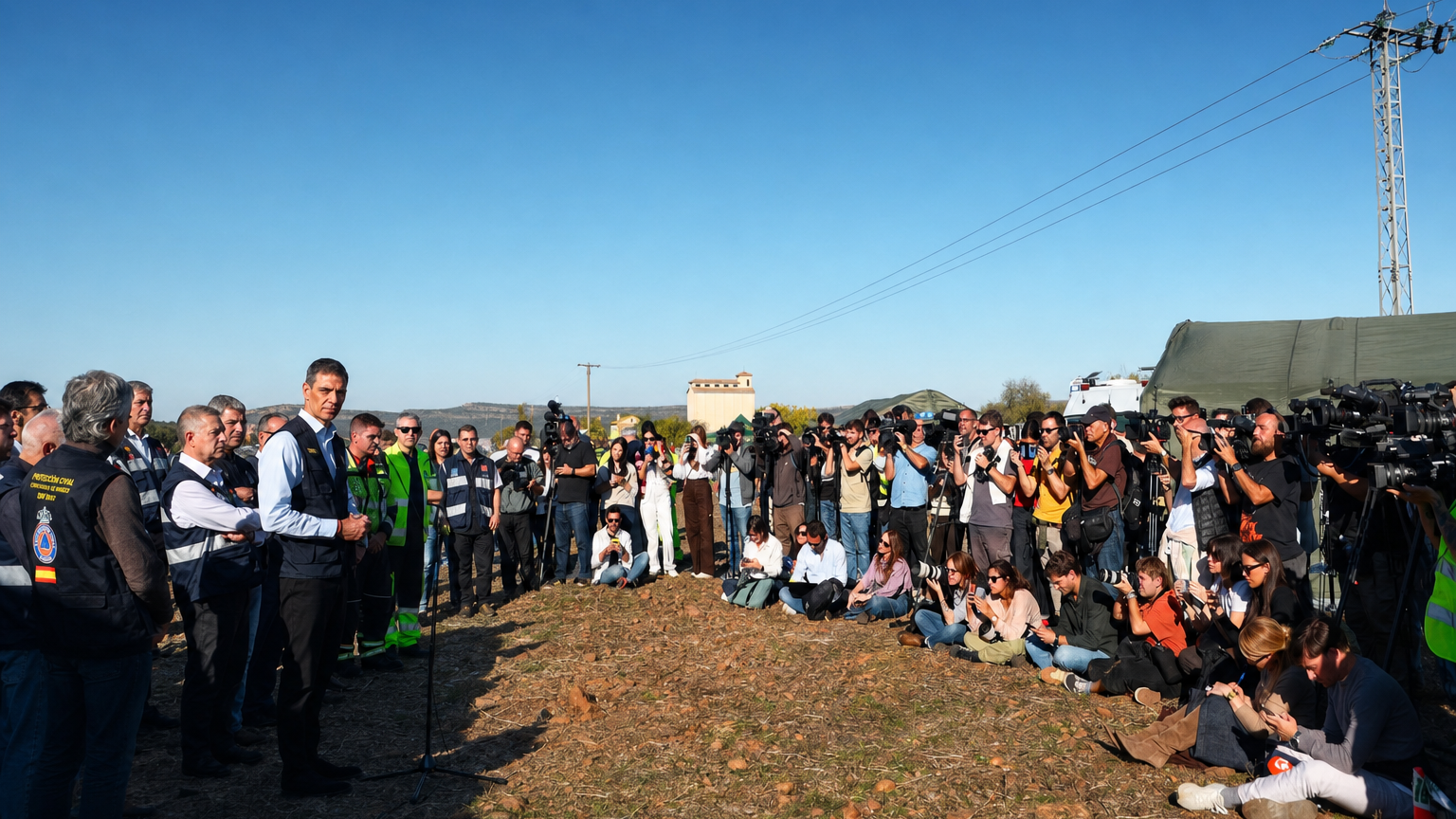
Prime Minister Pedro Sánchez visited the crash site and declared three days of national mourning while stating that the whole country was grieving. Sánchez added that the government would work to clarify exactly why the tragedy had occurred and would act with utmost firmness on any identified failures. Most major political parties suspended campaigning for upcoming snap elections in response to the disaster. The prime minister’s office coordinated with regional authorities to support families of victims and those receiving treatment in local hospitals.
The collision marks the second fatal high-speed rail accident in Spain this year on the same Madrid-to-Andalusia corridor. According to multiple reports including from Reuters, a January crash involving the same two operators near Adamuz in Córdoba province killed 46 people and injured more than 120 others. That earlier incident prompted renewed scrutiny of track maintenance and safety protocols across the network. Officials noted at the time that the affected line had undergone renovation the previous May at a cost of 700 million euros.
Spain’s high-speed rail network, the largest in Europe after China’s, had avoided fatal accidents on dedicated lines from its 1992 launch until the January event, according to government figures. The latest crash ranks as the country’s deadliest rail disaster since a 2013 derailment in Santiago de Compostela that killed 80 people. Rescue operations continued into the afternoon with helicopters, ambulances and forensic teams at the scene while anxious relatives gathered for information. Authorities have not yet released details on the nationalities of those killed or injured.