ع



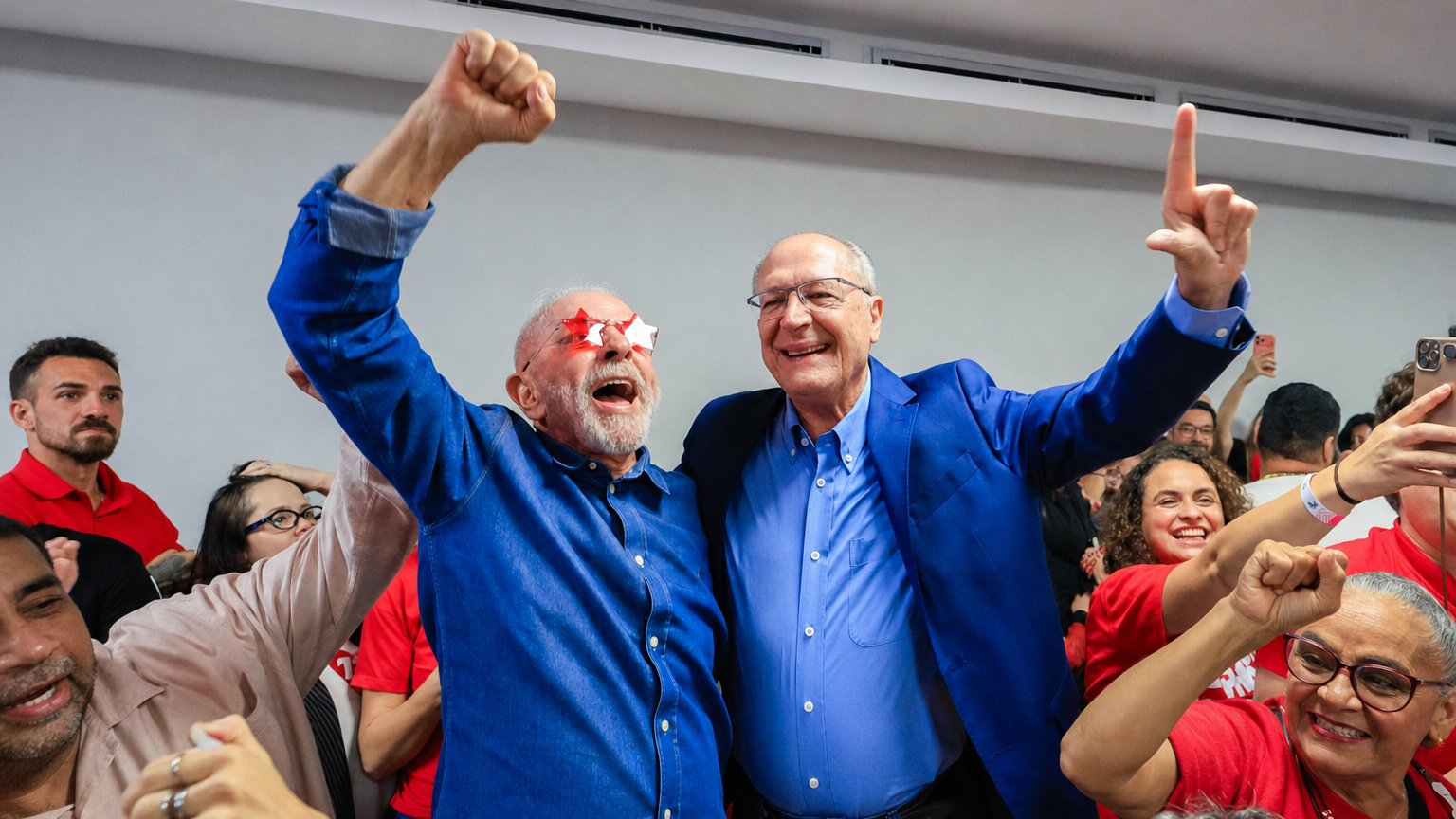
The Brazilian electoral authorities declared incumbent Luiz Inacio Lula da Silva the winner of a fourth presidential term following the October 25 runoff vote, where he overcame a first-round deficit to defeat Senator Flávio Bolsonaro by more than 4 million ballots. Official tallies reported by Reuters showed Lula securing 51.8 percent to Bolsonaro’s 48.2 percent with nearly all votes counted, marking the first time in the country’s democratic history that a candidate has won after finishing second in the initial round. The victory followed a vigorous campaign in which Lula mobilized millions of additional voters, flipping key states including Minas Gerais by a swing of nearly 700,000 ballots according to Asia Times analysis. Lula’s support surged after the first round through street mobilizations and online efforts that increased turnout and reduced abstentions substantially.
Lula centered his message on Brazilian sovereignty and resistance to external pressures, declaring in his victory speech that Brazil will not accept being anyone’s backyard in a clear reference to Washington. Al Jazeera reported that this framing helped channel nationalist backlash against U.S. tariffs imposed on Brazilian exports, which reached a combined 37.5 percent and were linked to disputes over the prosecution of former President Jair Bolsonaro. The president-elect, who turns 81 shortly after the vote, also highlighted domestic achievements including reduced poverty, lower unemployment and record lows in deforestation during his current term. External observers from the Atlantic Council noted that the result confounded pre-election polls and represented a stunning reversal after Lula trailed by two percentage points in the October 5 first round.
The outcome delivers a notable setback to U.S. President Donald Trump’s strategy for expanding influence in the Western Hemisphere through aligned right-wing governments, a approach some regional analysts have labeled the Donroe Doctrine. Reuters detailed how the Trump administration’s State Department had actively campaigned for a Bolsonaro return, viewing Brazil as a pivotal addition to a growing bloc that already includes recent conservative wins in Honduras, Chile and Bolivia. Trump responded to the results by telling reporters the election looked rigged without providing evidence, while simultaneously claiming he had not taken sides and even stating he liked Lula and got along with him. Chatham House senior fellow Christopher Sabatini told BBC journalists that Trump had anticipated Brazil as his largest regional prize following the first-round results.
Financial markets reacted immediately to the surprise victory with the Ibovespa index falling 13.9 percent for its worst day since early 2020, Bloomberg figures show. The Brazilian real sank 8 percent on track for its biggest one-day drop since the 1990s and trading was halted for 30 minutes after the benchmark dropped 10 percent, according to Nikkei Asia. Brazil’s international bonds also sold off with longer-dated debt hit hardest. Reuters reported that the iShares MSCI Brazil exchange-traded fund tumbled more than 20 percent in premarket trade as investors repriced expectations for fiscal policy.
Lula’s re-election interrupts a two-year pattern of seven consecutive right-wing presidential victories across Latin America that had aligned several governments more closely with Washington on security, migration and trade issues. An Al Jazeera commentary described the Brazilian result as a potential turning point that demonstrates the far-right regional tide is neither inevitable nor irreversible. The Irish Times reported that congratulations poured in from European Commission President Ursula von der Leyen, Canadian Prime Minister Mark Carney and numerous Latin American leaders, while the White House and State Department remained silent initially.
In his upcoming term, Lula is expected to deepen engagement with China, Brics partners and African nations while pursuing bilateral talks with the Trump administration on tariffs, critical minerals and organized crime, according to Valor International sources close to the government. Brazil holds significant reserves of rare earths and nearly 90 percent of global niobium output, resources that could factor into negotiations over trade and technology sovereignty. The Guardian noted that Lula’s win revives elements of the earlier pink tide era of greater autonomy from U.S. dominance, though he will operate amid ideological isolation in the hemisphere. Euronews analysis indicated that the narrow victory, wider than his 2022 margin despite the comeback, leaves Lula with limited room to maneuver on domestic reforms given congressional opposition.