ع
ع


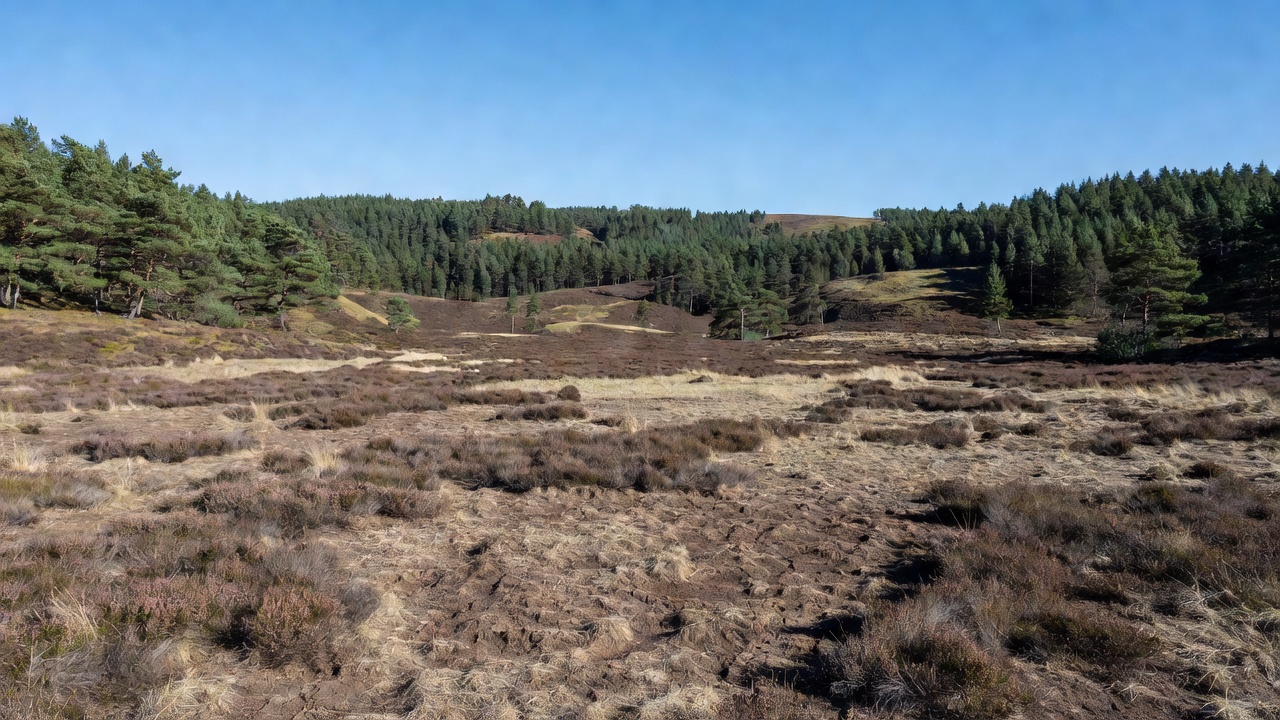
Wallonia regional authorities said the fire that ignited Friday in an inaccessible section of the High Fens nature reserve grew rapidly from an initial 80 hectares to 850 hectares by Saturday morning and then to about 3,000 hectares by Sunday. The blaze was advancing toward the German border through fragile peatlands and pine forests that had last seen comparable destruction in 1911, according to multiple reports citing local officials. More than 250 firefighters, supported by the army and local farmers supplying water tankers, worked through the night but faced challenging conditions due to the dry landscape and winds.
The European Civil Protection Mechanism was triggered on Saturday, dispatching three helicopters and two water-bombing planes from Sweden, the Netherlands and the Czech Republic, regional updates show. Stephanie Ernoux, a spokesperson for the Wallonia administration, stated that efforts were concentrating on the leading front nearing Germany with optimism for improved weather aiding the fight. Belgian officials described the event as the largest wildfire in the country’s recent history, exceeding the 1,400 hectares affected in the same reserve during the 2011 blaze as noted by the European Forest Fire Information System.
Evacuation orders affected hundreds of villagers in two communities close to the reserve, although authorities confirmed no residential properties had sustained damage from the flames. The inaccessibility of the ignition point has left the cause of the fire unknown, the Wallonia government indicated in its statements. Reinforcements from Germany and Luxembourg joined the Belgian teams in attempts to contain the two main fronts of the fire.
This outbreak coincides with a series of wildfires across Europe amid what the Copernicus Climate Change Service identified as the hottest June and July on record. France, Greece, Croatia, Spain and Serbia have all reported significant blazes linked to the prolonged heat and drought, according to continental monitoring systems. The High Fens reserve’s unique ecosystem has been particularly susceptible given its composition of peat and coniferous trees dried by the extreme temperatures.
Local official Nicolas Yernaux described the fire as Belgium’s “largest in recent history.” Interior Minister Bernard Quintin provided an assessment that two fronts were now under control even as the overall area continued to expand. Aerial support proved essential on Sunday as ground crews battled to prevent further spread into neighboring territories.