ع



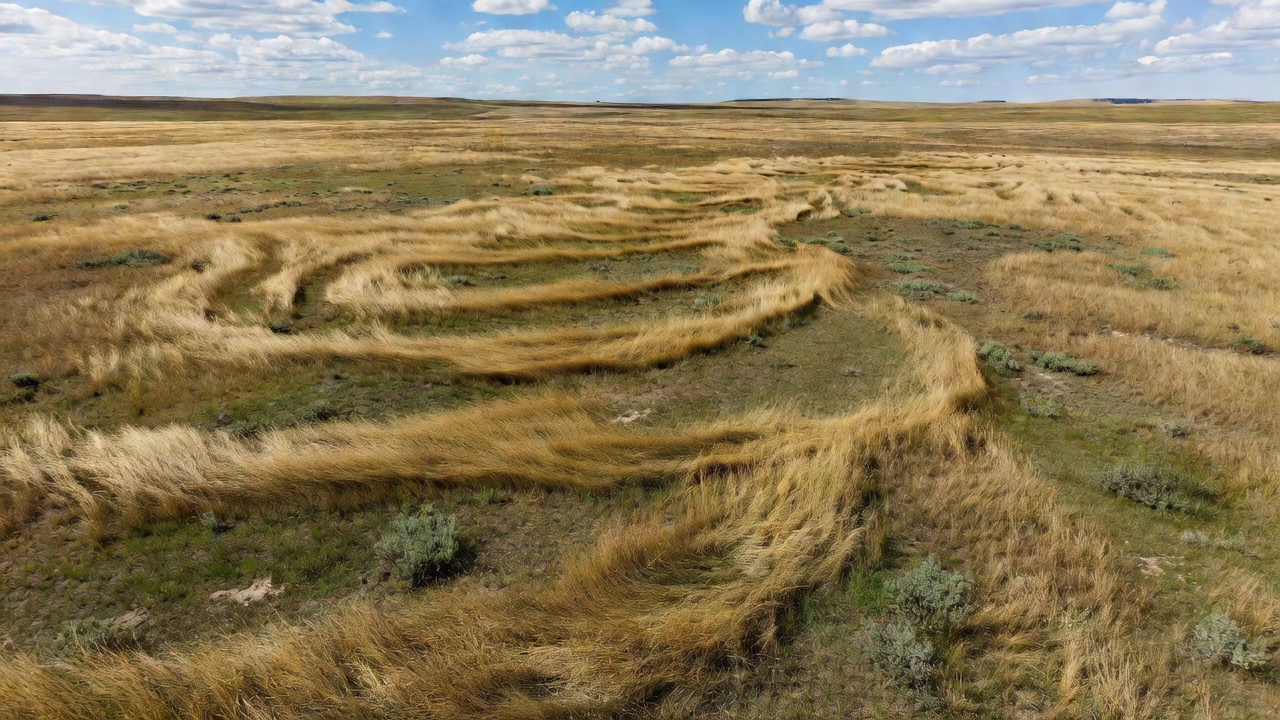
A grass fire that broke out during high-intensity combat training with live munitions at Canadian Forces Base Wainwright overtook soldiers in an administrative area on Saturday afternoon, killing four and injuring dozens more, according to the Canadian Armed Forces. Maj.-Gen. Wade Rutland, commander of the 1st Canadian Division, said the blaze began roughly a kilometre from the troops but an unexpected and sudden wind change caused it to spread with extraordinary speed toward their position. The military had been monitoring the fire for several hours and judged it contained enough for exercises to continue, Rutland told reporters at a Sunday news conference in Edmonton. An internal Canadian Armed Forces memo reported by Global News indicated the fire risk index was low ahead of the session, even as Environment Canada had issued a high-wind warning for Alberta earlier that day.
The four soldiers who died all served with the 3rd Battalion, Princess Patricia’s Canadian Light Infantry based in Edmonton and were preparing for a deployment to Latvia in the spring, a Canadian Armed Forces statement confirmed. They were identified as Sgt. Morgan Wong of Edmonton, Private Shaun Farrell of Prince Albert in Saskatchewan, Private Aidan Goulding of North Vancouver in British Columbia and Private Hayden Lykkemark of Langley in British Columbia. Alberta Premier Danielle Smith said 39 people were taken to hospital, where Acute Care Alberta chief executive Sayeh Zielke reported that 19 remained in critical condition, eight were stable and 12 had minor injuries treated on an ambulatory basis. Many of the injured suffered severe burns that could require weeks or months of intensive care, Smith added at the briefing.
Rutland described the fire’s movement as highly unusual for the prairie terrain, noting that range control had tracked the initial blaze without anticipating any threat to the exercise area. “The fire was 1km away when the wind shifted,” he said. “It is not normal for a fire to move a kilometre in 30 to 60 seconds.” A commander on the ground told Rutland that troops went from seeing no flames to being engulfed “within 30 seconds to a minute,” the major-general recounted. Approximately 84 soldiers from Charlie Company had divided between a grenade range and simulated attack drills at the time, according to the Canadian Armed Forces assessment of the incident.
Prime Minister Mark Carney addressed the country from Ottawa on Sunday, describing the event as one of the worst peacetime tragedies to strike Canada’s armed forces on home soil. “The nation is in mourning for those brave members of our armed forces who we have lost,” Carney stated. He confirmed that families of the deceased had been notified and pledged comprehensive support, while noting the cause of the initial ignition remains under active investigation. Officials have ruled out any connection to terrorist activity or damage to oil and gas infrastructure, Rutland emphasised.
The rapid response involved about 30 emergency units including 22 ground ambulances and eight aircraft that transferred patients to four hospitals across Alberta, a health authorities briefing showed. Emergency department doctor Warren Thirsk at Edmonton’s Royal Alexandra Hospital told CBC that the influx of patients, including 15 who required intubation, completely overwhelmed local facilities in the Wainwright area. Rutland said investigators would need at least a month to determine whether the tragedy could have been prevented and to examine how unseen spread through vegetation or the wind-driven surge contributed to the outcome. The fire is now fully contained, according to the latest Canadian Armed Forces update.