ع
ع


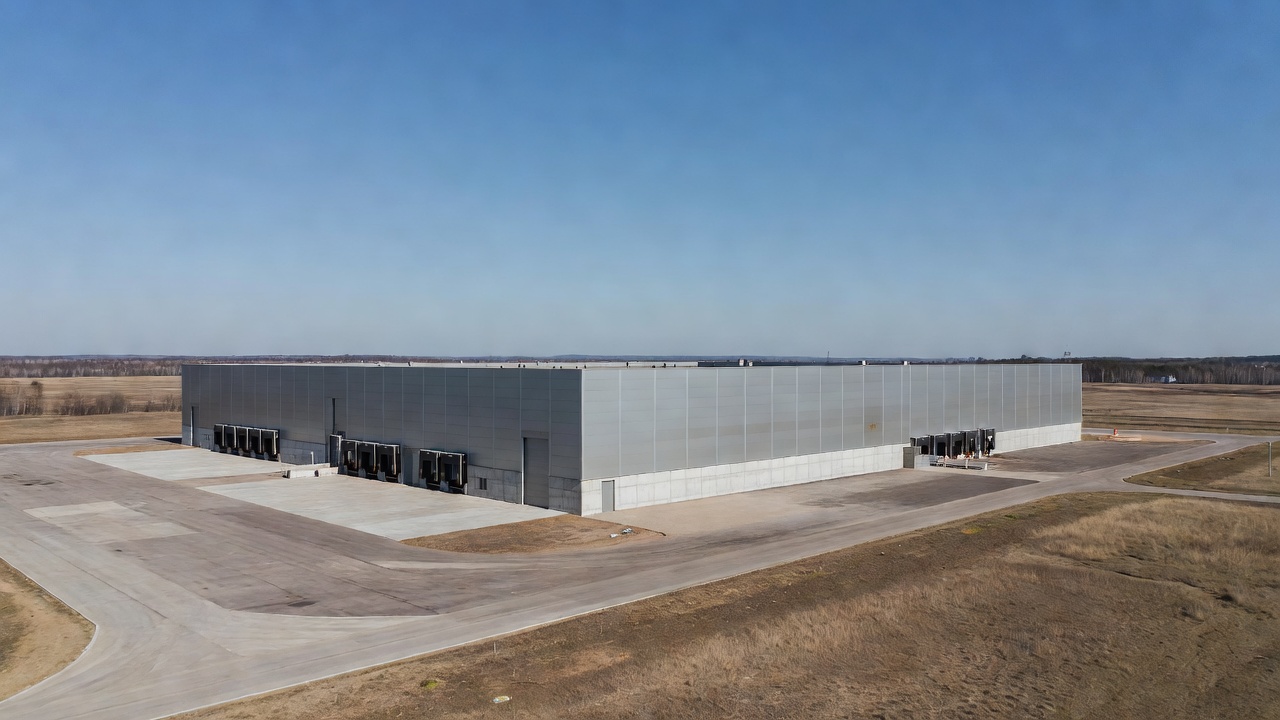
Ukrainian drones struck warehouses belonging to Russia’s leading online retailer Wildberries on the night of July 18, 2026, resulting in eight deaths and 62 injuries according to regional governors. Seven people died and 25 were wounded in Tambov, some 475 kilometres southeast of Moscow, while one fatality and 37 injuries occurred at a facility in Elektrostal in the Moscow region. The strikes form part of an intensified Ukrainian long-range drone campaign that has targeted supply chains linked to Russia’s military efforts since the full-scale invasion began in February 2022.
Flames and plumes of black smoke rose from the impacted sites, with circulating videos showing explosions, collapsing structures and workers fleeing the scenes, Russian officials reported. Tambov governor Evgeniy Pervyshov called the assault the largest and most inhumane in terms of drone numbers and casualties while stating that 28 drones had been shot down over his region. Moscow region governor Andrei Vorobyov said air defences downed 48 drones in his area although falling debris struck an oil depot where emergency crews responded and eight of the 37 injured in Elektrostal were in serious condition.
Ukrainian President Volodymyr Zelensky stated that the warehouses served as major logistics facilities supplying sanctioned components for drone production and navigation equipment. He framed the operation as a direct response to Russian strikes on Ukrainian cities and civilian infrastructure that killed 14 people in the preceding hours. Zelensky confirmed additional Ukrainian strikes occurred against targets in the Sea of Azov, the Black Sea and Russian-annexed Crimea during the same wave of attacks.
Wildberries chief executive Tatyana Kim described the night as terrible for both Russia and the company. The retailer, often likened to Amazon, belongs to a group valued at 12.6 billion dollars by Forbes Russia in 2026 and maintains an extensive network of distribution centres across the country. Zelensky maintained that such logistics hubs supporting sanctioned military production remained legitimate targets in the conflict.
The July strikes align with Ukraine’s expanded campaign against Russian energy and infrastructure that Ukrainian assessments claim has taken nearly 43 percent of the country’s oil refining capacity offline. Russian President Vladimir Putin acknowledged fuel shortages caused by these attacks last month and signed a bill in early July 2026 to increase domestic fuel supplies. A Guardian report from June detailed similar Ukrainian drone strikes on oil storage facilities in St Petersburg that produced loud explosions and visible smoke plumes.[[1]](https://www.theguardian.com/world/2026/jun/03/ukraine-drones-st-petersburg-russia-economic-forum)
Russian strikes in parallel killed 14 people across Ukraine overnight, according to Ukrainian officials. Comparable incidents have included a Russian drone attack that destroyed 75 percent of logistics infrastructure for a Ukrainian retail chain in Lutsk in April 2026, the Kyiv Post reported. Another Russian strike critically damaged a large ATB distribution centre in Dnipro in June with no reported casualties among staff who had sheltered.
The mutual targeting of commercial and logistics sites has raised concerns about supply chain disruptions on both sides of the border. Wildberries facilities primarily handle consumer goods yet Ukrainian officials asserted their role in supporting Russia’s war economy reliant on fossil fuel revenues. Russian air defences have intercepted the majority of incoming drones in recent months but have not prevented all impacts or resulting civilian casualties.