ع
ع


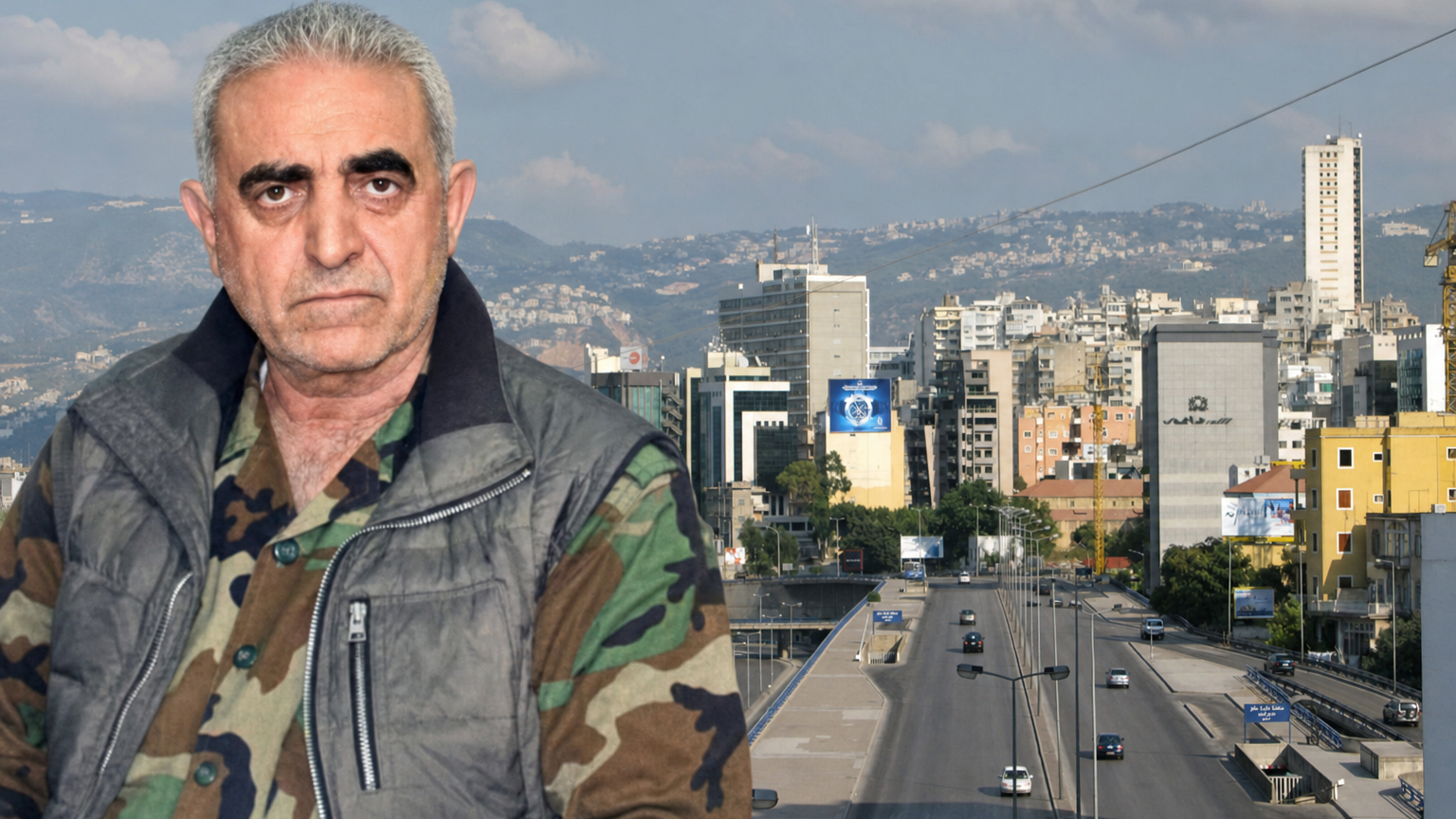
A document obtained during the probe offers the former general residency, protection and support for his living needs in Lebanon in return for information, chiefly about the disappearance of Tice, according to the BBC. Sources familiar with the arrangement described how Hassan receives money from US authorities through an intermediary, a structure designed to make the payments harder to trace. Officials from two branches of Syria’s new government told the investigators that they seek Hassan’s extradition to face trial but that American counterparts insist on keeping him in Beirut, leaving Damascus with limited leverage.
Hassan is wanted for crimes against humanity tied to his roles in the Assad regime’s chemical weapons operations and as a close adviser to the former president, the investigation established. The Syrian civil war that his forces helped prosecute ended with the regime’s collapse in December 2024, after which many senior figures fled to neighboring Lebanon. A Syrian Network for Human Rights assessment documented the presence of hundreds of such former officers in the country, including through hidden camera footage that placed Hassan in a Beirut suburb.
The arrangement stems in part from Hassan’s position in the command chain of the planned 2012 operation that led to Tice’s abduction while the American journalist reported inside Syria, a fact the BBC established in a report published last month. Tice’s fate has never been clarified more than 14 years later, and his family continues pressing for information. US interest in the case has evidently outweighed broader calls for accountability, even as the new Syrian authorities under President Ahmed al-Sharaa pursue transitional justice measures.
Lebanon has faced repeated requests from Damascus to transfer former regime officers, with Syrian officials handing Beirut a list of more than 200 names in January 2026, Reuters reported. In August that year Lebanese authorities transferred Maj-Gen Adel Issa, a former division commander accused of murder, torture and inciting sectarian strife, marking the first such handover since Assad’s fall, according to the Syrian interior ministry. Issa was detained after visiting the Syrian embassy in Beirut to handle paperwork, at which point embassy staff alerted Lebanese prosecutors.
The selective protection afforded to Hassan occurs against a backdrop of alleged plotting by other Assad-era remnants using Lebanese territory as a base, a Carnegie Endowment for International Peace review noted. Leaked recordings obtained by Al Jazeera captured discussions among former officers about regrouping, securing funds and weapons, and targeting Syria’s coastal regions with Alawite majorities. Syrian security officials have conducted meetings with their Lebanese counterparts to address these activities, yet the US deal with Hassan illustrates competing priorities among international actors.
Public Authority for Civil Information data and Lebanese security assessments place the scale of cross-border movement in the thousands since late 2024, complicating efforts to monitor former officials. The Syrian Network for Human Rights warned that the presence of sanctioned figures in Lebanon risks undermining accountability for wartime abuses that claimed hundreds of thousands of lives. Lebanese judicial cooperation with Damascus operates under a 1951 bilateral agreement, but US involvement in specific cases has introduced additional layers to enforcement.