ع
ع


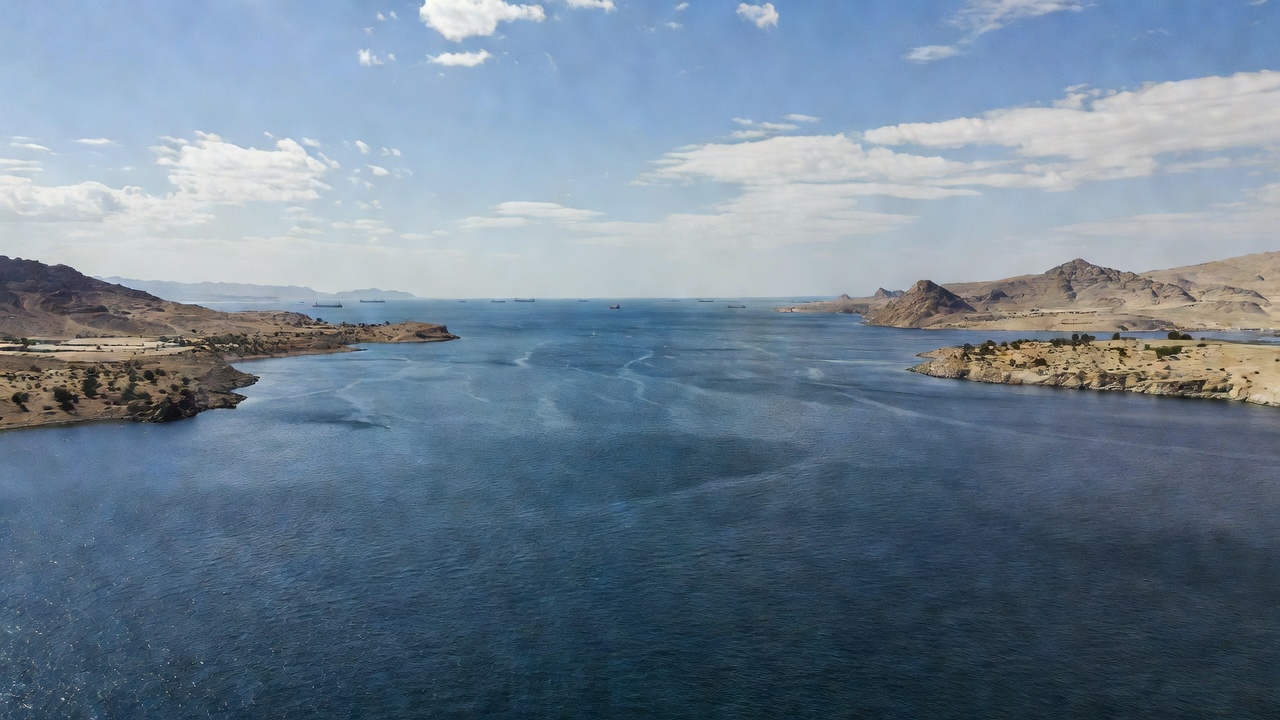
US Central Command said it conducted a new wave of strikes on Iran in the early hours of Monday, the ninth in a series that has seen explosions reported in multiple cities across the country. The operation focused on military sites and communications networks with the goal of diminishing Iran’s capacity to target vessels in the Strait of Hormuz according to a statement from the command. Iran’s Tasnim news agency listed Tabriz, Chabahar, Konarak, Bandar Mahshahr and Bandar Imam Khomeini as areas affected by the strikes while Iranian state media reported explosions involving two oil tankers attempting to cross the strategic waterway. The IRGC claimed the vessels had been using a hazardous route and were brought to a halt but Centcom disputed the account.
Trump said the US strikes hit Iran very hard in honour of three American soldiers killed in recent attacks two at a base in Jordan and one in northern Iraq. The Pentagon reported the death of a service member in Iraq on Saturday a day after the Jordan incident that left two soldiers dead and unidentified remains recovered at the site. In connecting the military action to the troop deaths the president framed the operation as a direct response to those losses according to an administration announcement.
Secretary of State Marco Rubio stated that the US always remains open to a diplomatic solution even as he called on the international community to prevent Iran from exerting control over the key shipping lane. Rubio noted that Tehran has been using the Strait of Hormuz as leverage according to his remarks. The comments came against the backdrop of a preliminary agreement reached in mid-June to halt the fighting that unravelled after Trump declared the deal over on July 8 with little advancement in talks for a permanent resolution since then White House officials said.
Kuwait’s armed forces reported intercepting Iranian drones amid the escalation while Iran claimed it launched a surprise attack in Syria and struck US aircraft at Jordan’s Aqaba airport. The IRGC added that it would respond with a punitive operation if the US strikes persisted. Those developments reflect the widening scope of the conflict beyond the immediate US-Iran exchanges according to regional security briefings.
Data from the US Energy Information Administration places the daily oil flow through the Strait of Hormuz at approximately one fifth of global consumption underscoring the waterway’s strategic value. A preliminary assessment by Bloomberg Economics suggested that recent tensions have already contributed to upward pressure on energy prices. The IRGC’s threats to block even a single drop of oil or gas have prompted industry reports that indicated heightened concerns among shipping operators and energy traders.
The soldier deaths and subsequent strikes follow a pattern of retaliatory actions that have intensified since the collapse of the mid-June truce according to a review by the Congressional Research Service. US officials have maintained that the operations are limited in scope and aimed at protecting maritime freedom of navigation. Regional stability remains a priority as allies such as Kuwait take defensive measures against the drone activity according to statements from the Kuwaiti military.