ع
ع


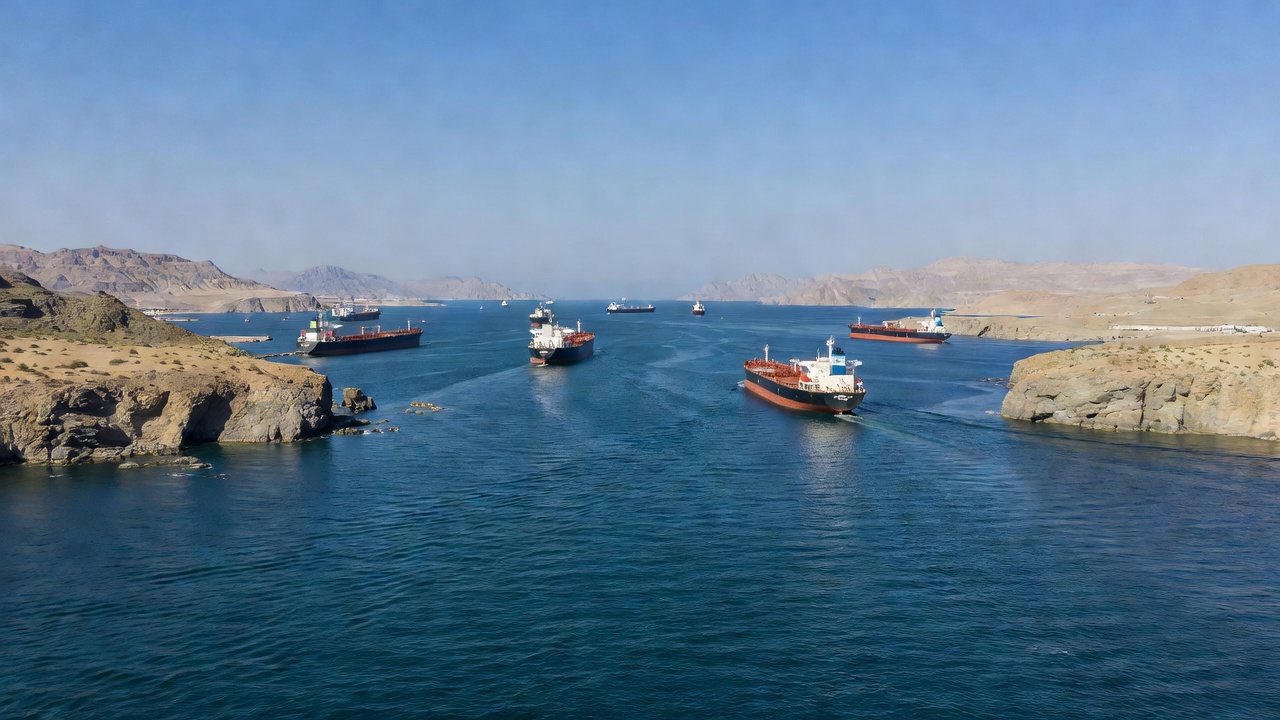
US Central Command announced a new wave of strikes against Iran in the early hours of Monday local time, marking the ninth consecutive night of operations aimed at military installations and communications networks. The command said the goal was to further reduce Tehran’s capacity to target vessels passing through the Strait of Hormuz. President Trump stated that the strikes had hit Iran very hard and were carried out in honour of three US soldiers killed in recent days, two in Jordan and one in Iraq. The Pentagon confirmed the soldier deaths followed attacks on US bases in the region, with one fatality in northern Iraq on Saturday after an earlier strike in Jordan that left two dead and one initially missing.
Iran’s semi-official Tasnim news agency reported explosions in multiple locations including the cities of Tabriz, Chabahar, Konarak, Bandar Mahshahr and Bandar Imam Khomeini. The Islamic Revolutionary Guard Corps claimed two oil tankers had exploded while attempting to navigate what it called an unsafe southern route in the strait, but Centcom disputed the Iranian version of events. The IRGC warned that the waterway would remain unsafe for any transit of petrochemical products or oil and gas while the US strikes persisted and promised a punitive operation in return.
Iran announced it had responded with a surprise attack inside Syria and strikes on US aircraft at Jordan’s Aqaba airport. Kuwait’s armed forces reported intercepting several Iranian drones in its airspace during the exchanges. US Secretary of State Marco Rubio said the United States always remains open to a diplomatic solution even as he called on the international community to prevent Iran from leveraging control over the critical shipping route.
The current round of hostilities follows the unraveling of a preliminary ceasefire deal reached in mid-June, with Trump declaring the agreement over on July 8 according to State Department records. US Energy Information Administration figures show the Strait of Hormuz handles nearly 20 percent of global oil trade, underscoring the economic stakes involved in any sustained disruption. Bloomberg reporting indicated oil prices climbed more than 10 percent in the first two weeks of July as the strikes intensified and shipping firms adjusted routes.
The Defense Department said verification of unidentified remains recovered from the Jordan base attack was continuing. International Energy Agency assessments have previously estimated that major interruptions in the strait could drive global energy prices up by as much as 20 percent within weeks. Reuters coverage of comparable 1980s incidents in the same waterway documented how insurance premiums for tankers spiked and forced many vessels to take longer detours around Africa.
Pentagon briefings described the latest US operations as defensive measures to safeguard American personnel and maintain freedom of navigation for commercial shipping. The three soldier deaths have added a personal dimension to the escalation, prompting Trump to frame the strikes as a direct response. Regional partners continue to monitor the situation closely amid fears of broader spillover into neighboring territories.