ع



The Ministry for Nature and Animal Welfare disclosed on October 23 2026 that Denmark will forgo an application for a special EU arrangement that would have allowed the remaining mink farms to continue operating despite the classification of American mink as an invasive alien species. Nature Minister Christian Rabjerg Madsen explained that an industry should not persist simply because it has existed for a long time but must also make sense for society for the economy and for the animals. The coalition government elected in June 2026 reversed the previous administration’s plan to pursue the exemption a move welcomed by several political figures as a victory for animal welfare standards. Social Democrat MP Brigitte Vind called it a good day for animal welfare and stated it was absolutely the right decision not to apply for a special scheme for mink breeding in Denmark.
The European Union added mink to its list of invasive species in June 2025 triggering a prohibition on keeping the animals that takes effect on 7 August 2027 followed by a two-year transition period ending in August 2029. Denmark had initially voted against the regulation and the prior SVM government had signaled its intention to request a derogation for local producers according to statements from the ministry. The current decision means the seven remaining farms will close within the next three years ending nearly a century of commercial mink production in the country.
Denmark once ranked as the world’s largest mink fur producer generating around 40 percent of global supply before the 2020 pandemic according to historical records maintained by Statistics Denmark. The government ordered the culling of approximately 17 million mink that year after outbreaks of a mutated SARS-CoV-2 variant known as cluster 5 spread from farms to humans as documented in a study published by the European Journal of Public Health. A temporary national ban on mink farming was introduced at the end of 2020 extended through 2022 and then lifted in January 2023 allowing a modest revival that never approached pre-crisis scale.
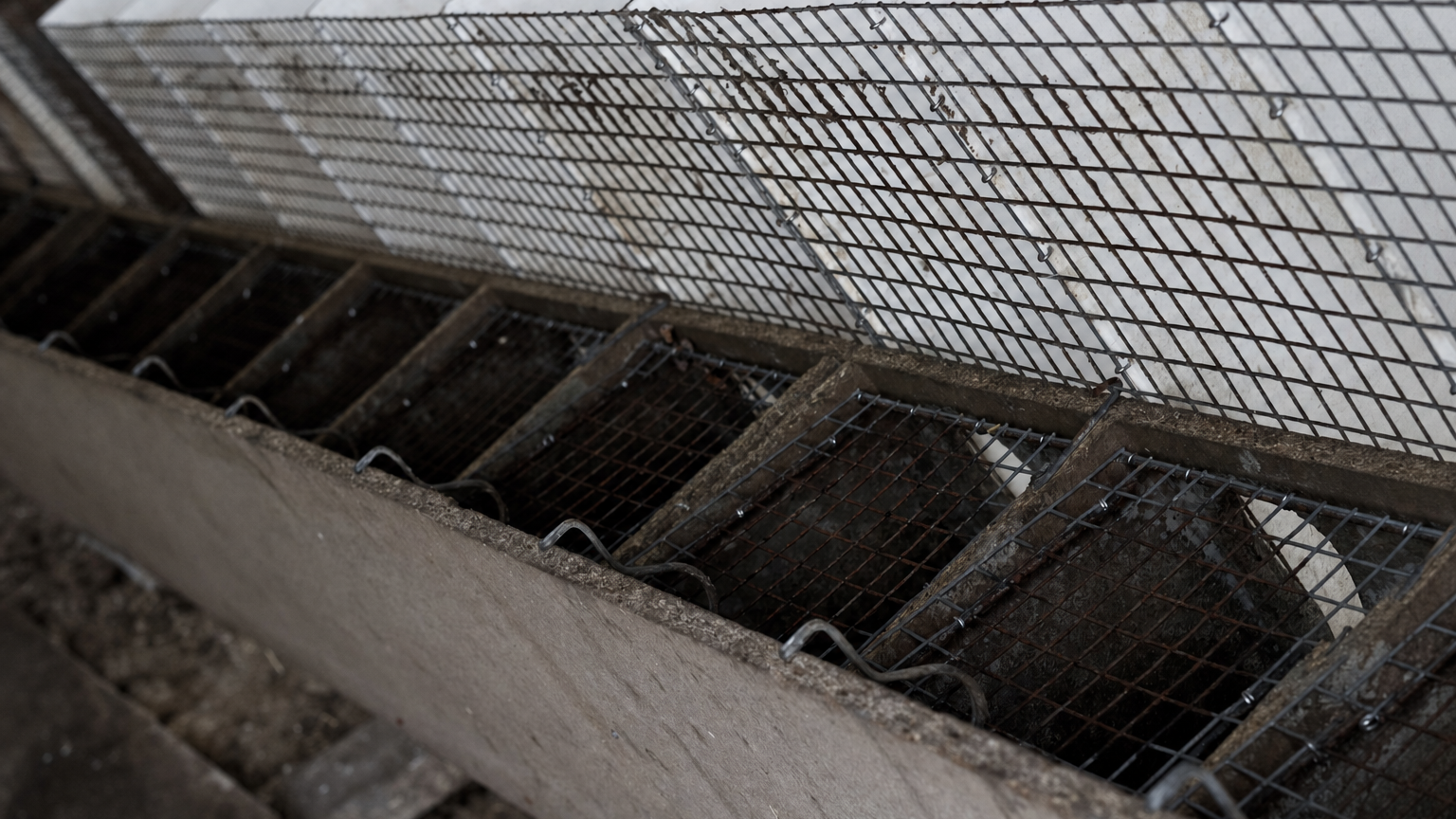
Central Husbandry Register data cited in multiple Danish outlets placed the number of active mink farms at seven as of August 2026 with total animal counts reported between 15 000 and 43 000 depending on the survey period. The European Food Safety Authority issued recommendations in 2025 indicating that meaningful welfare improvements in the sector would demand extensive modifications to existing cage systems. Animal protection groups have long criticised the practice for confining naturally active carnivores in small wire enclosures that prevent natural behaviours.
Dyrenes Beskyttelse expressed satisfaction that the government had placed animal welfare at the centre of its reasoning describing mink farming as one of the most animal-hostile forms of production known. Humane World for Animals similarly applauded the step and urged the European Commission to advance a broader EU prohibition on fur farming noting that more than 1.5 million citizens had signed related petitions. The organisation highlighted that Denmark’s pre-pandemic industry comprised 1 147 farms before the mass cull prompted by the zoonotic threat.
Breeders represented by the Danish Mink Association voiced frustration over the abrupt change claiming officials had discussed the exemption application with them as recently as two weeks prior according to accounts published by Kristeligt Dagblad. Association officials suggested the industry had been misled after years of regulatory uncertainty that included government admission of having no legal basis for the original 2020 cull. No final compensation figure for the remaining operations has been confirmed though preliminary projections mentioned in local media estimated costs near 14 million Danish kroner.