ع
ع


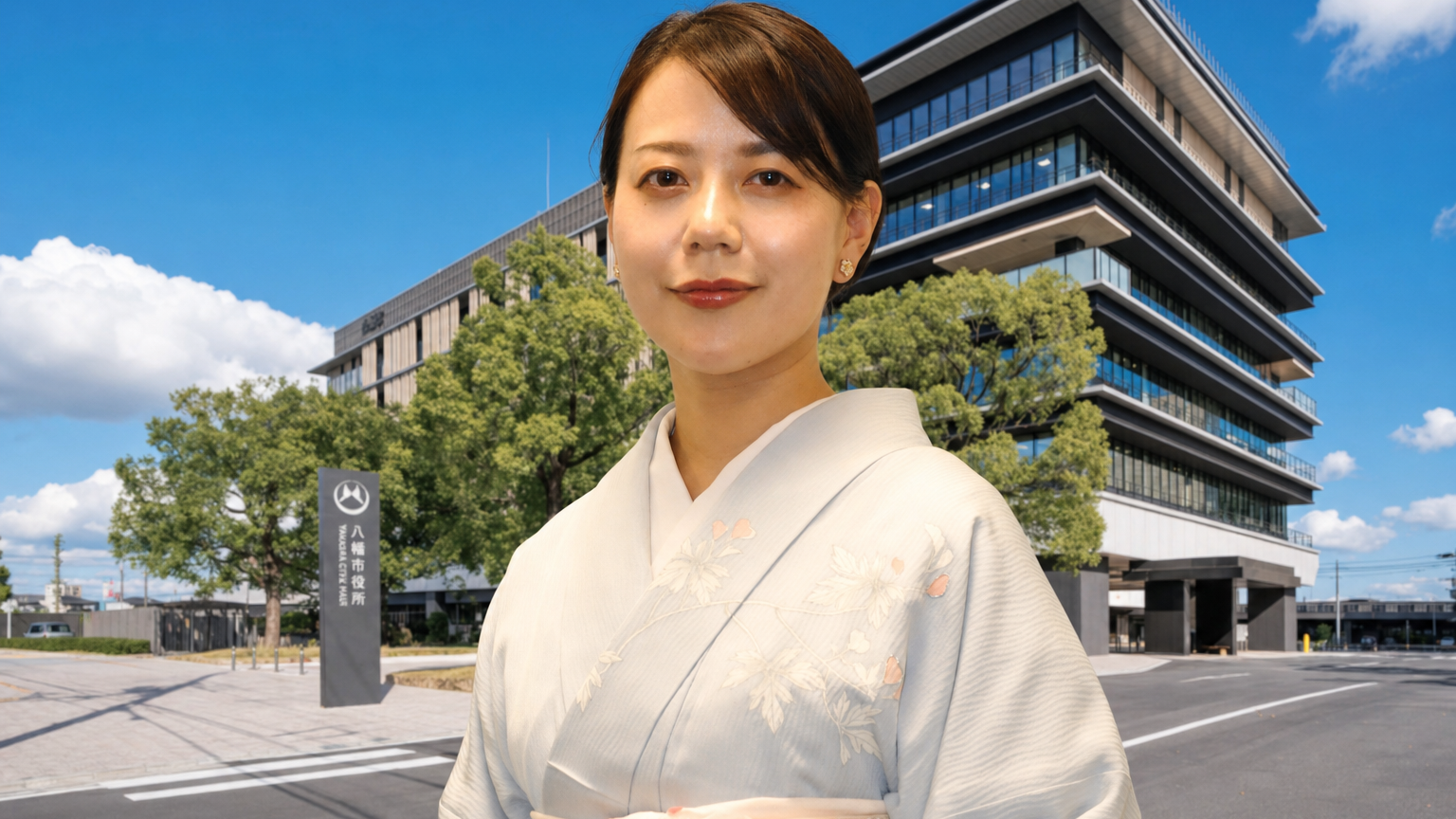
TIME magazine selected Shoko Kawata for its 2026 Next list in the Leaders category, praising the Yawata mayor for creating a maternity leave plan with no existing legal model for elected officials in Japan. The 36-year-old gave birth to a daughter on September 15 and had transferred authority to her deputy for 16 weeks while staying involved remotely in key briefings, a TIME profile issued that week stated. Kawata became Japan’s youngest female mayor in 2023 at age 33 upon winning election in the city of roughly 68,000 residents, where she focused on child medical care and tourism from the start.
Her local policies have included cutting school lunch prices, offering free diapers at preschools and expanding postpartum support, initiatives that TIME said show ways to make Japan more family friendly. A World Economic Forum assessment released in September 2026 ranked the country 117th in its Global Gender Gap Index, placing it last among G7 nations with the politics category at 121st. The magazine connected Kawata’s personal decisions to national struggles with low birth rates and demanding workplace norms that deter many from parenthood.
Kawata told Reuters ahead of the birth that she was surprised to learn she would be the first sitting mayor to take such leave, highlighting the scarcity of young women in these roles. Her May announcement triggered national debate and online criticism from some who questioned whether she could fulfill duties, The New York Times reported in June after visiting Yawata. Most city residents and colleagues backed the plan, she added, though the attention disappointed her when it reduced her record to the leave itself.
While municipal employees receive guaranteed maternity protections, elected mayors operate without them, forcing Kawata to negotiate a temporary handover to deputy Shigeto Nose for the period from July through early November, according to accounts in The Mainichi and Nippon.com. She has handled some responsibilities online during the leave, which runs until November 8, city officials confirmed. The Japan Times noted her approach has kept core municipal functions intact without formal statutory changes.
The episode has underscored barriers for women in Japanese politics, where representation lags and high expectations complicate family life, a dynamic covered extensively by Reuters in July. Other female mayors, including one from a Tokyo ward, praised the step as a step toward normalization, The New York Times added. Kawata, a Kyoto University economics graduate who previously worked in local government, posted on X after the delivery to thank backers and restate her commitment to wider social advocacy.
The TIME list also included British actor Himesh Patel and mathematician Yu Deng, framing Kawata’s entry among emerging global figures, the Japan Times reported. Her case continues to fuel calls for clearer rules on parental leave for elected leaders as Japan seeks to ease demographic strains, according to multiple outlets that tracked the story from announcement to recognition.