ع
ع


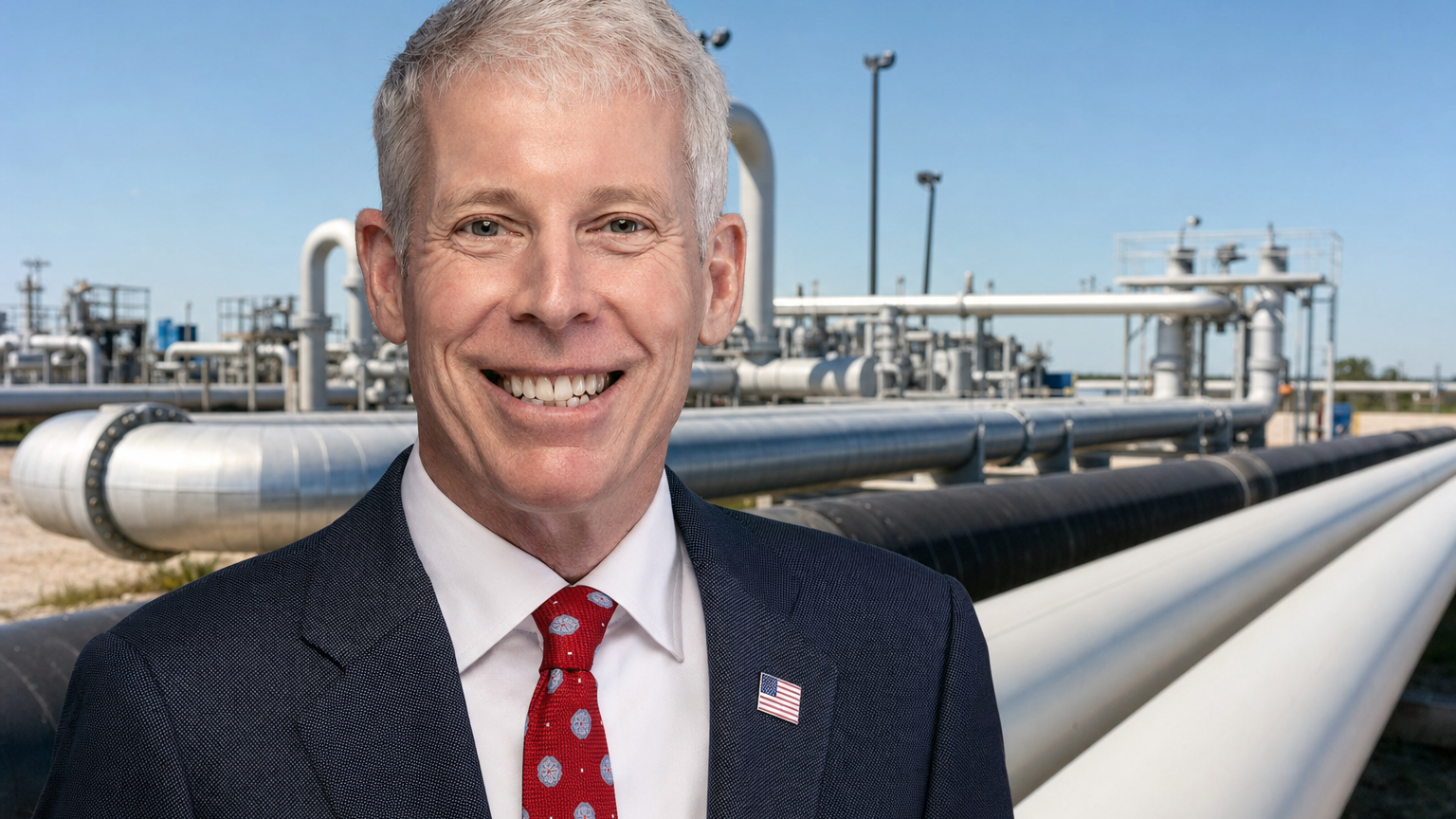
The Trump administration has told Germany and France to draw down emergency diesel inventories to ease soaring global fuel prices or face a potential US diesel export ban according to three people close to the discussions cited by Reuters. Washington has specifically asked the European Union to release 120 million barrels of diesel over the next six months one European-based source told the news agency. That volume would account for well over a third of the roughly 315 million barrels of diesel held in EU reserves as of June according to Eurostat figures reported by Politico. US Energy Secretary Chris Wright pitched the proposal as an alternative to an outright export ban that President Trump has been considering the outlet added.
US diesel prices have climbed 70 percent since late February reaching a record $6.529 per gallon the week of September 21 according to US Energy Information Administration data tracked by AAA. President Trump confirmed he was weighing a ban telling reporters at an Oval Office event he was thinking about it very seriously and later adding during a campaign stop in Texas that we may ask European countries to release some of their diesel reserves. Treasury Secretary Scott Bessent urged immediate action in a social media post stating our European partners should accelerate delivery on their existing commitments and make additional supplies immediately available to address ongoing disruptions.
European governments including the UK held discussions on October 1 with the European Commission Germany France Italy and Ireland to weigh a coordinated release of stocks two EU officials told Reuters. The International Energy Agency has not requested Germany to tap its reserves the country’s economy ministry said. A US official told Reuters it is in Europe’s best interest to work with the United States as we pursue multiple pathways to boost the supply of refined products and lower costs for consumers.
Europe has become increasingly dependent on US diesel exports of between 1.2 million and 1.5 million barrels per day after banning Russian imports following the invasion of Ukraine and amid further losses from the Middle East and China due to the Iran conflict according to multiple reports including from the BBC and Reuters. The Trump administration has expressed frustration that France and Germany which together hold about 35 percent of the bloc’s strategic diesel reserves have not fully followed through on earlier commitments to release emergency stocks Reuters sources said. Energy Secretary Wright told reporters he expected announcements from European friends about new diesel supplies that will meaningfully push diesel prices down.
The request for 120 million barrels over 180 days was framed by Wright as a way to increase global supplies without a US ban that could further strain markets ahead of the November midterm elections Politico reported. EU trade chief Maros Sefcovic described any American diesel export ban as unexpected for Europeans in comments to reporters covered by Yahoo Finance. Britain’s energy minister joined the calls as the UK which does not refine enough diesel to meet its own needs prepared for potential impacts the Guardian stated.
Trump has linked the fuel price surge to supply interruptions from the US war in Iran and Russia’s ongoing conflict in Ukraine according to NBC News and other outlets. The administration has separately opened an exchange of up to 40 million barrels from its Strategic Petroleum Reserve as part of a larger coordinated release with International Energy Agency members the US Department of Energy said on September 29. Officials from both sides of the Atlantic continued talks on October 1 with further EU meetings scheduled for the following day.