ع
ع


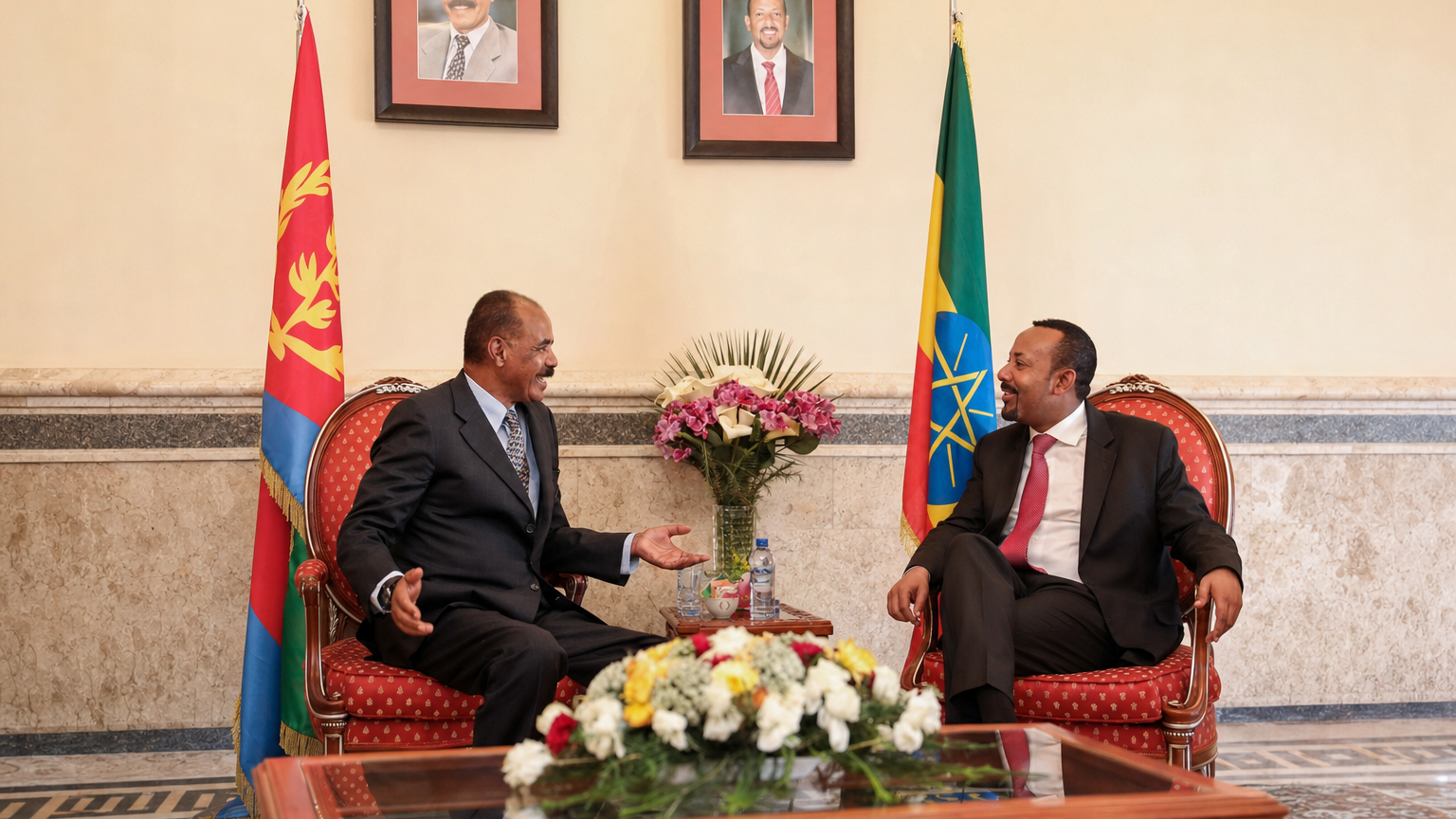
Ethiopia’s Foreign Ministry announced on October 1 that it had decided to close its embassy in Asmara in response to what it described as Eritrea’s direct and indirect acts of hostility and belligerence while also declaring 10 Eritrean diplomats persona non grata and ordering them to leave within 48 hours. The diplomats whom the ministry did not name were accused of involvement in activities posing a direct threat to national security and violating the Vienna Convention on Diplomatic Relations according to a statement posted on X. Addis Ababa has accused Eritrea along with Sudan and Egypt of supporting an opposition alliance led by the Tigray People’s Liberation Front that began battling federal troops the previous week though the three countries have denied the claims.
Eritrea’s Foreign Ministry responded within hours by severing all diplomatic ties stating that it had no option but to reciprocate in kind with all the negative corollaries that this entails. Information Minister Yemane Gebremeskel told Reuters that by expelling all Eritrean diplomats from Ethiopia the government was effectively closing its embassy in Addis Ababa as well. The Eritrean statement accused Ethiopia of pursuing an agenda of incessant hostility for three years in pursuit of sovereign access to the sea through potential invasion of Eritrean ports and coastal areas while also claiming that Addis Ababa has hosted trained and armed Eritrean opposition groups to stoke internal conflict.
The diplomatic rupture unfolded as fighting intensified in northern Ethiopia marking the most significant escalation since the end of the 2020-2022 civil war that according to estimates killed hundreds of thousands of people. An opposition alliance that includes the TPLF and other armed groups launched a major offensive in late September capturing several strategic positions and airports before Ethiopian federal forces mounted counterattacks that reportedly included recapturing the town of Alamata south of Mekelle. Explosions heard overnight in Addis Ababa have added to concerns with a source linked to the opposition alliance telling Reuters that it carried out several drone strikes including some targeting the military headquarters though it remained unclear whether the blasts were connected to an attack or training exercises.
Relations between the longtime foes had warmed considerably in 2018 when a peace deal ended two decades of formal war and earned Ethiopian Prime Minister Abiy Ahmed the Nobel Peace Prize a development that included the reopening of the embassy in Asmara. The two countries’ militaries fought alongside each other against the TPLF during the Tigray conflict but ties soured after the Pretoria Agreement that ended the fighting in 2022 because Eritrea was not a party to the deal and remained deeply hostile to the Tigrayan party Reuters reported. Disputes over Ethiopia’s declared need for sea access have further aggravated tensions in recent years with Asmara viewing such statements as implicit threats.
The alliance of seven Ethiopian armed groups announced in September including the TPLF and the Amhara Fano National Movement former adversaries in the earlier war has heightened the stakes as it aims to overthrow Abiy Ahmed’s government. A spokesperson for the prime minister has said the groups had been collaborating with financial backing from Eritrea though Asmara has repeatedly denied such accusations. Prime Minister Abiy Ahmed who has yet to comment publicly on the latest crisis is due to be sworn in for a new term following elections held in June.
Fears are growing that the conflict could spiral into a wider regional crisis given the involvement of multiple armed factions and the breakdown in communication between Addis Ababa and Asmara. The Pretoria peace deal had called for the withdrawal of all external forces from Tigray but some Eritrean troops have remained in the area according to United States assessments. Analysts following the situation note that the current fighting threatens the fragile stability established four years ago while raising questions about the future of people-to-people ties that persisted despite official hostility.