ع
ع


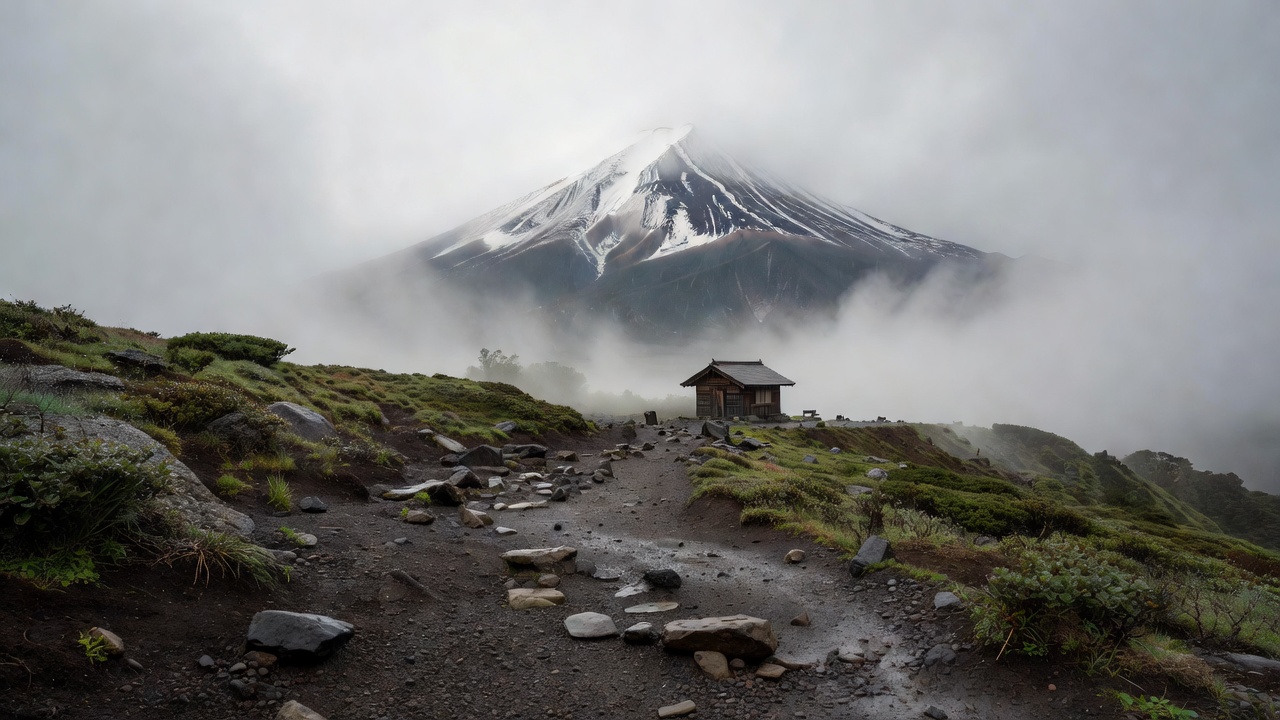
Shizuoka Prefectural Police issued a stern warning to the father after mountain hut staff discovered the unattended boy sitting on a bench in rainy and foggy conditions near the 2,500-meter mark. Officers contacted the man at the eighth station roughly three hours higher up the trail and ordered him to descend immediately, according to multiple local media accounts including those in The Japan Times and Tokyo Reporter. The father apologized upon reuniting with his son around noon, telling officers he had made a rash decision and deeply regretted it, while police noted they considered but ultimately dropped any charges for child abandonment due to his quick compliance and expressions of remorse. A hut worker told investigators he heard an argument before finding the child alone, prompting the alert that led to the swift response. The incident occurred early on August 20 as the family from Aichi Prefecture ascended the route starting from the fifth station, which is reachable by public transport.
According to reports from TV Asahi and SBS TV, the 7-year-old second-grader had complained of exhaustion and begun to cry after his older brother, a first-year middle school student, hiked ahead, leading the father to instruct the younger boy to wait approximately eight hours. The child had no money with him and only limited provisions, though he remained unharmed throughout the ordeal that lasted several hours. Police told the man that even if it means having to give up on climbing the mountain together, leaving a child behind is unacceptable, a statement carried across Japanese outlets. The father responded that he did something careless, prompting authorities to release him after the verbal reprimand. This case has drawn sharp criticism on social media, where users questioned the judgment of bringing such a young child on the strenuous climb.
Mount Fuji, which stands at 3,776 meters as an active volcano and UNESCO World Heritage site since 2013, attracts roughly 205,000 climbers annually during its official season running from July to September. Shizuoka and Yamanashi prefectural data for the 2025 season placed climber numbers near that level, with new 2026 regulations requiring a mandatory 4,000-yen fee per person on all trails including Fujinomiya and pre-registration that includes a safety module. While the Yoshida Trail on the Yamanashi side enforces a daily cap of 4,000 climbers, the Fujinomiya route where the incident took place has no such numeric limit but restricts overnight entry between 2 p.m. and 3 a.m. without hut reservations to curb dangerous bullet climbing. A Tokyo Cheapo review of the 2026 rules highlighted these measures as responses to overtourism that had previously led to congestion, litter and increased rescues.
Yamanashi and Shizuoka prefectural rescue records from 2023 to 2025 documented 363 climbers requiring assistance and 21 fatalities on the mountain, with more than 70 percent of the deaths occurring above 3,000 meters and all victims being male with an average age of 53.9 years. Middle-aged men in their 50s represented 35 percent of those fatalities, often from sudden medical emergencies exacerbated by altitude, fatigue or severe weather, according to the compiled analysis. The current incident took place well below that threshold at the sixth station, yet it underscores ongoing safety concerns even during the regulated summer season when weather can shift rapidly as it did with the fog and rain on August 20. Officials have repeatedly stressed that reaching the summit should never override safety considerations for all group members.
Shizuoka Prefectural Police used the episode to reiterate guidance for hiking parties to set their pace based on the weakest participant and maintain constant communication rather than separating. The authority’s assessment found that many past incidents stemmed from underestimating conditions or failing to adjust plans when fatigue set in among younger or less experienced climbers. In July 2026 a 99-year-old woman was rescued after a fall on the mountain, while a Swiss man died after collapsing during an ascent, illustrating the range of risks even for prepared adults. Data from the official Mount Fuji climbing website estimates five hours or more from the sixth station to the summit and an additional three hours back down, meaning the boy could have been left for a substantial period had hut staff not intervened promptly.
The father and sons had begun their hike early that morning on the Fujinomiya Trail, one of four main routes that together see the bulk of annual ascents under the tightened 2026 framework aimed at reducing environmental strain and accidents. Prefectural figures show foreign climbers made up nearly 29 percent of those on Shizuoka-side trails on opening day this season, adding complexity to safety enforcement for mixed groups. While no formal penalties were applied in this instance, the police warning aligns with broader efforts to promote responsible mountaineering on Japan’s tallest peak, which is also revered as one of its three holy mountains alongside Mount Tate and Mount Haku.