ع



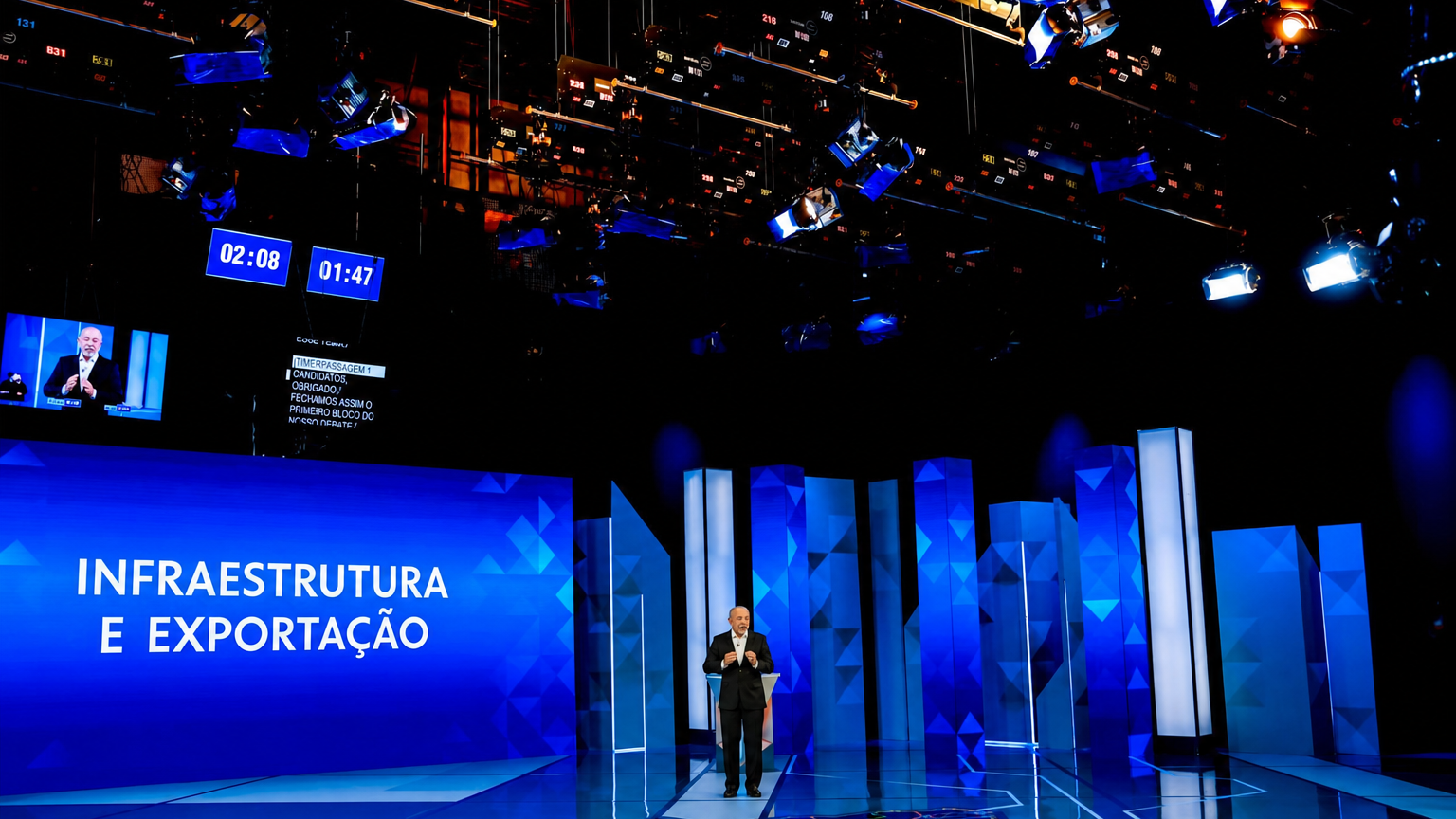
The first round of voting on October 4 delivered 47.03 percent of the ballots to Flávio Bolsonaro against 45.16 percent for Lula, according to tallies compiled by Brazil’s Superior Electoral Court. Several other contenders split the remaining share of votes and failed to advance, producing a polarized field that has carried into the final round. Turnout stood at 78.92 percent, a level election monitors described as solid given the intensity of the campaign.
Al Jazeera reported that Lula, the Workers’ Party candidate seeking a fourth term at age 80, has focused on expanding social programs and strengthening ties with non-Western nations during his current stint in office that began in 2023. The incumbent has again paired with Vice President Geraldo Alckmin of the Brazilian Socialist Party on the ticket. His coalition includes multiple left-leaning parties that backed the Brazil Ready for More alliance.
A Datafolha institute poll released this week and cited by AFP showed the two frontrunners deadlocked at 50 percent each among valid votes as final rallies unfolded across key cities. Flávio Bolsonaro, the 45-year-old Liberal Party senator from Rio de Janeiro, has campaigned as the standard-bearer for conservative voters while selecting federal deputy Alfredo Gaspar as his running mate. The candidate is the eldest son of former president Jair Bolsonaro, who is serving a house-arrest sentence following a conviction tied to post-2022 election events.
Compilations published by UOL and AS/COA listed additional first-round candidates including former Goiás governor Ronaldo Caiado of the Social Democratic Party, former Minas Gerais governor Romeu Zema of the New Party, activist Renan Santos of the Mission Party and self-help author Augusto Cury of the Avante Party. These figures, along with lesser-known contenders from smaller parties such as the Brazilian Communist Party and the United Socialist Workers’ Party, drew support that largely consolidated behind the two runoff participants. Their platforms touched on economic liberalization, public safety and mental health awareness.
AFP stated that both campaigns held large-scale events on Saturday in São Paulo, Rio de Janeiro and Belo Horizonte to energize supporters one day before the polls open. The contest has centered on economic performance, security policy and Brazil’s international positioning at a time when several Latin American neighbors have shifted toward right-leaning governments. Social media activity and mobilization efforts by both sides have intensified in the campaign’s closing phase.
A Britannica summary of the election noted that the outcome will decide whether the country continues along its current left-of-center path or adopts a more conservative orientation aligned with certain regional trends. Public Authority for Civil Information data places the electorate at more than 158 million registered voters, amplifying the stakes of any late shifts in momentum. Final debate performances and last-minute court decisions could still sway the result according to analysts tracking the race.