ع



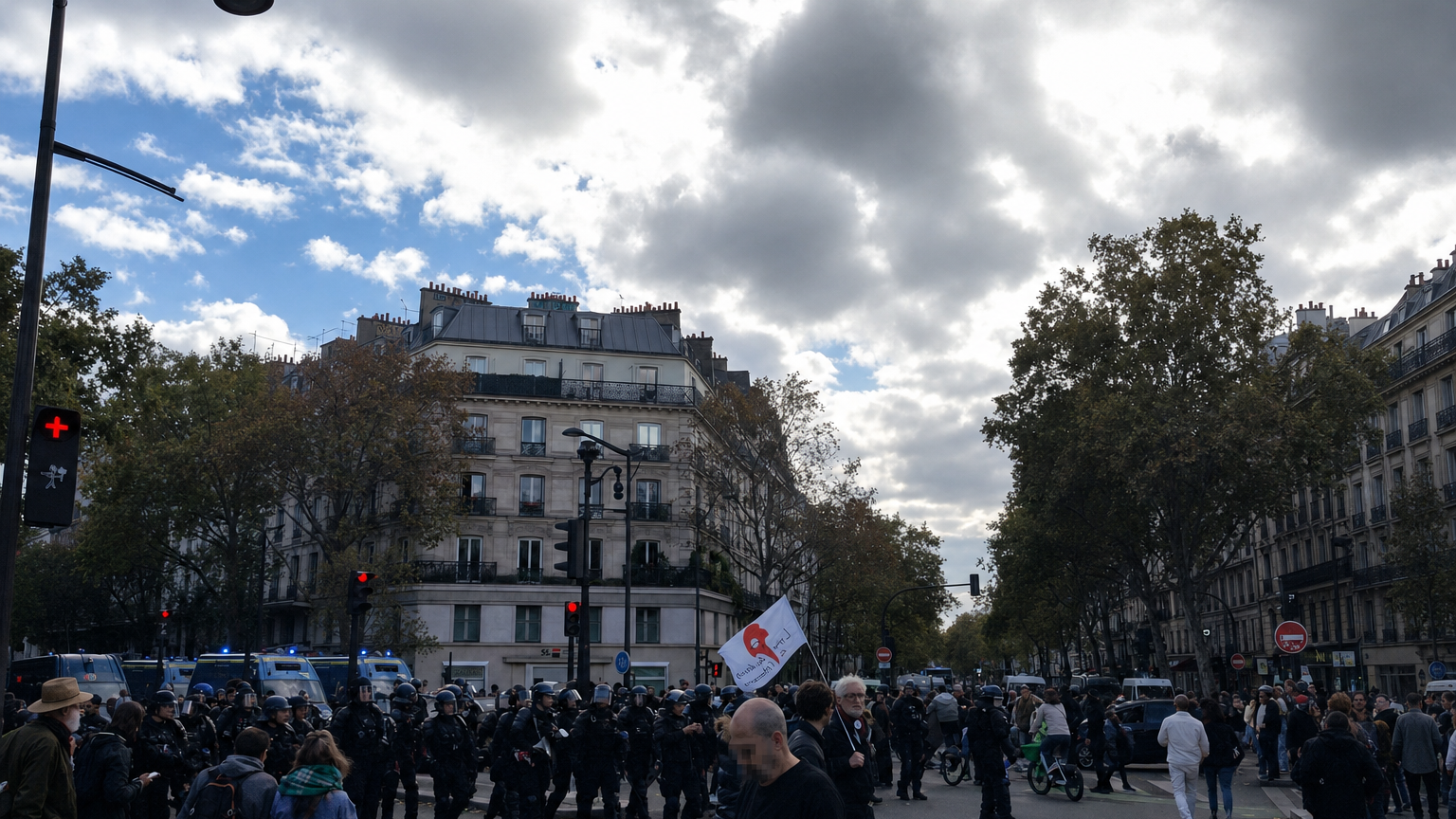
The Interior Ministry placed nationwide participation at 410,000 including 110,000 in Paris, although trade unions estimated the true total at roughly double that figure. Interior Minister Laurent Nuñez said the daytime marches passed off largely peacefully before high-risk groups broke away in the evening to engage in violence, prompting riot police to fire tear gas and deploy water cannons near Porte de Vincennes in the capital. Similar confrontations erupted in Marseille where youths blocked roads with burning bins and ransacked several stores including two jewellery shops, as well as in Lyon, Bordeaux, Grenoble, Lille, Rennes, Nantes, Toulouse and Clermont-Ferrand.
Nuñez told reporters that such disruptive elements appeared in almost every march, accusing far-left activists and criminal gangs of seeking to foment trouble while noting that the intensity remained below levels seen seven days earlier. Authorities had mobilised 70,000 police officers and gendarmes nationwide, an increase of 10,000 from the previous weekend when more than 1,200 arrests followed widespread looting, arson attacks on public buildings and injuries to around 150 law enforcement personnel. At least two protesters sustained serious injuries on October 24, one in Toulouse who lost fingers and another in Clermont-Ferrand.
The demonstrations grew out of student-led actions that began in mid-September at schools such as Lycée Saint-Exupéry in Créteil, where pupils protested dilapidated facilities, teacher shortages and poor conditions before the movement expanded to incorporate longstanding grievances over the cost of living and economic inequality. Protesters criticised the government’s emphasis on policing school-related demonstrations rather than delivering political solutions, a point highlighted across coverage from multiple outlets. The events have drawn together high school and university students, trade unions and elements reminiscent of the Yellow Vest movement that first emerged in 2018.
Paris officials redirected the main march to the city’s southeastern edge at short notice to reduce risks in central districts, a decision upheld by an administrative court. Despite the overall daytime calm in many locations, isolated vandalism and barricades appeared as crowds dispersed, with the Paris prosecutor’s office reporting 64 arrests in the capital alone, six of them minors, mostly for suspected weapons offences or preparation of violence. French media indicated the national arrest tally approached 1,000 by late evening and could still rise.
This second consecutive weekend of major demonstrations tests President Emmanuel Macron’s authority during the final months of his presidency ahead of elections next year, as the unrest merges education-sector complaints with broader economic pressures that have intensified in the post-pandemic period. The Interior Ministry acknowledged underestimating the scale of the prior weekend’s disorder, which damaged thousands of shops and prompted reinforced security measures including military backing in select areas. Nuñez stressed that shopping centres received enhanced protection this time, resulting in a smaller scale of looting and vandalism.
The movement reflects sustained public frustration with public service declines and living costs that have persisted for years, with unions calling for increased investment in education infrastructure and measures to ease household budgets. Officials have maintained that the response balances order with recognition of legitimate grievances, even as they continue to attribute much of the violence to organised fringe groups rather than the main body of demonstrators. Further protests remain possible in coming days as the underlying issues show little immediate prospect of resolution.