ع
ع


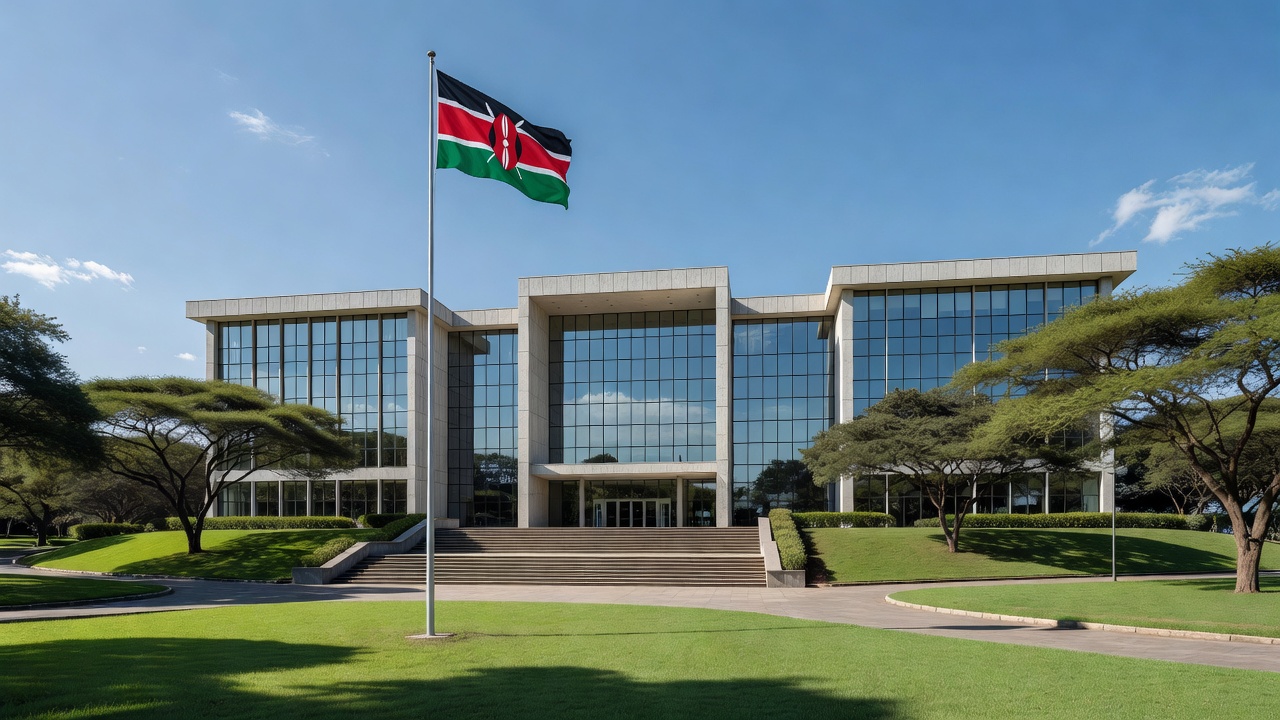
Justice Bahati Mwamuye of Kenya’s High Court determined that the Rastafarian petitioners had not sufficiently established how existing narcotics legislation infringed on their rights to freedom of religion and belief as outlined in the 2010 constitution. The ruling rejected arguments that cannabis consumption forms an essential sacramental practice protected from state interference. Mwamuye emphasised in his decision that constitutional claims require concrete evidence linking the substance directly to doctrinal requirements.
The case stemmed from long-standing efforts by Rastafarian adherents in Kenya to gain recognition for their religious use of cannabis, which they view as a sacred herb known as ganja that facilitates spiritual connection. Petitioners maintained that criminalisation forces them to choose between faith observance and legal compliance. According to court records detailed in multiple local reports, the litigation highlighted tensions between colonial-era drug statutes still in force and modern constitutional protections for minority beliefs.
Mwamuye acknowledged the petition’s role in spotlighting larger societal questions around cannabis regulation during Thursday’s proceedings. “We ought to have frank conversations on cannabis and which directions we should take,” he stated in the judgement. “This is not a question for the Rastafarian community only. It is a national question that cuts across the entire spectrum of our society.”
Kenya’s National Authority for the Campaign Against Alcohol and Drug Abuse has documented widespread illicit cultivation of cannabis in western and coastal regions, with annual seizures often exceeding hundreds of tonnes according to agency figures. The authority’s assessments link such production to both domestic consumption and cross-border trafficking networks. Previous government initiatives, including a 2019 task force appointed by then-President Uhuru Kenyatta, explored potential medicinal and industrial applications but stopped short of recommending full legalisation for recreational or religious purposes.
Advocates for reform have pointed to economic opportunities that regulated cannabis could generate, including job creation in farming, processing and export sectors. A 2022 policy brief from the Kenya Institute for Public Policy Research and Analysis estimated that a legal framework might contribute significantly to rural incomes while generating tax revenues for public services. The brief drew on experiences from jurisdictions that have decriminalised the plant, though it cautioned about regulatory and health oversight requirements.
Rastafarian groups represent a small but visible minority in Kenya, concentrated in coastal areas and urban centres where they have advocated for policy change through petitions and public campaigns over the past decade. United Nations Office on Drugs and Crime data places Kenya among East African nations with notable cannabis output, primarily illicit, that supplies regional markets. The Thursday ruling leaves current prohibitions intact pending any legislative action that Mwamuye suggested should follow comprehensive public consultation.
Health officials from the Ministry of Health have expressed concerns about potential increases in usage if legal barriers fall, citing studies linking heavy consumption to mental health issues in vulnerable populations. The ministry’s annual reports track rising treatment demands for substance-related disorders, including those involving cannabis derivatives. Further debate on the topic is expected to involve parliamentary committees examining both public health data and economic projections.