ع
ع


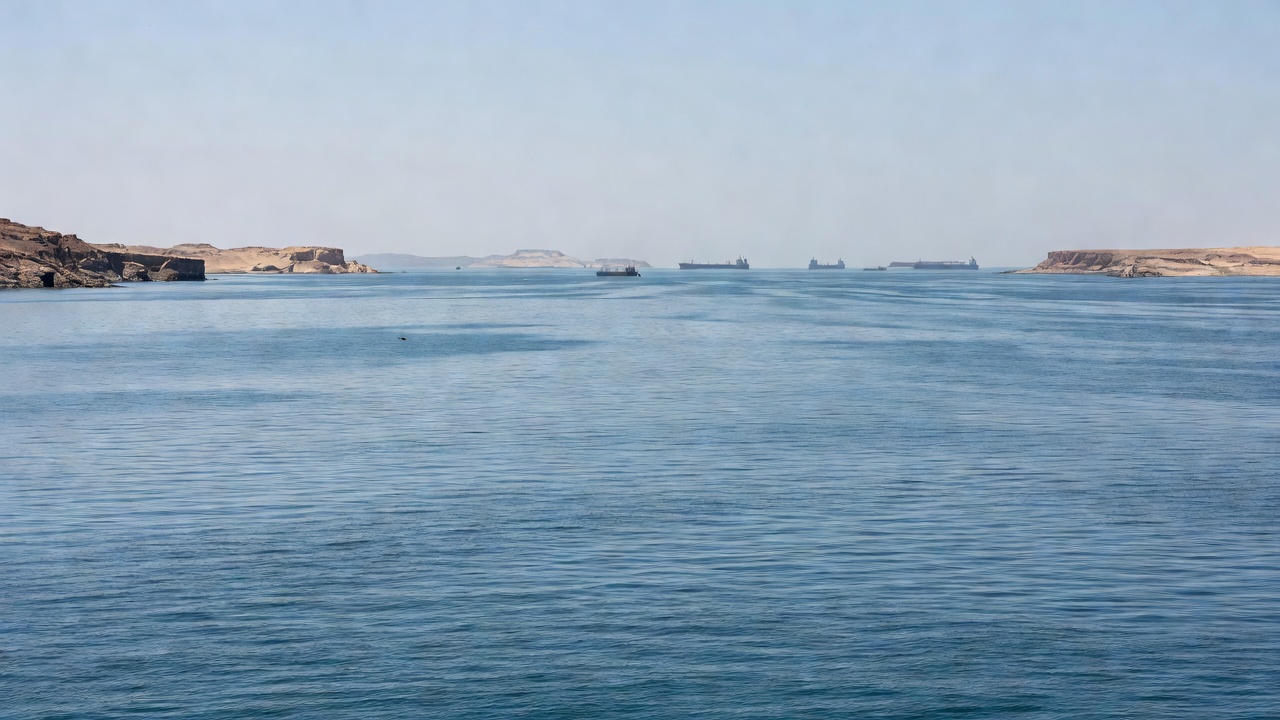
Iran-aligned Houthi forces seized control of Yemen’s port city of Mocha on September 10 and pushed south along the Red Sea coast to strategic islands including Perim and Hanish military sources told Reuters. The advances have tightened the group’s grip on the Bab el-Mandeb Strait which serves as a critical gateway for oil shipments from Saudi Arabia’s Yanbu port. Bloomberg reported that these gains leave Saudi officials facing a choice between escalation or accepting greater rebel leverage over a route that has become essential since the Strait of Hormuz was disrupted earlier this year.
Saudi Arabia has diverted more than 70 percent of its normal daily crude exports to the Red Sea port of Yanbu to bypass the Hormuz closure a shift that saw shipments from the western coast average around 4 million barrels per day in recent weeks according to Kpler data cited by Reuters. Total petroleum volumes transiting the Bab el-Mandeb reached 7.4 million barrels per day in June equivalent to about 7 percent of global oil output up from 4.2 million a year earlier Kpler figures show. Yet flows had already collapsed to roughly 400,000 barrels per day in August amid prior threats and stand even lower now a Kpler assessment found.
A successful Houthi blockade of the strait would strike at one of the world’s most important oil shipping routes potentially triggering prices to climb above $115 to $120 per barrel a consultant told Reuters. The impact would extend beyond crude to refined products with freight and insurance costs rising as vessels take longer routes around Africa. Stratas Advisors president John Paisie told Reuters that hindering those barrels would undermine the whole global economy and at some point could lead to recession.
Brent crude jumped as much as 4 percent on September 10 trading near $105 a barrel on concern over the supply routes while the U.S. national average diesel price surpassed $6 a gallon for the first time according to GasBuddy data reported by Reuters. Bloomberg figures show the benchmark later approached $108 a barrel marking one of the steepest rises tied to the regional escalations. Asian refiners could face delays of around a month for Yanbu cargoes if the disruptions intensify a Kpler analyst told Reuters.
The latest Houthi moves build on resumed attacks that had already helped push oil above $100 a barrel in July for the first time in two months Bloomberg reported. RBC Capital Markets analysts noted that a resumption of full-blown Saudi-Houthi fighting would be a potential catalyst for even higher oil price scenarios. With both major Middle East export chokepoints now under pressure refiners have intensified bidding for alternative supplies from other regions driving the latest gains.
Yemeni government forces have relocated southward to areas such as Dhubab near the strait but the Houthis’ coastal control continues to heighten risks for commercial shipping according to multiple military sources cited by Reuters. Earlier Houthi campaigns between 2023 and 2025 had already prompted shipping companies to divert around Africa increasing costs and transit times. The developments add to strains on global trade that have persisted since the initial Red Sea threats emerged several years ago.