

 ع
ع


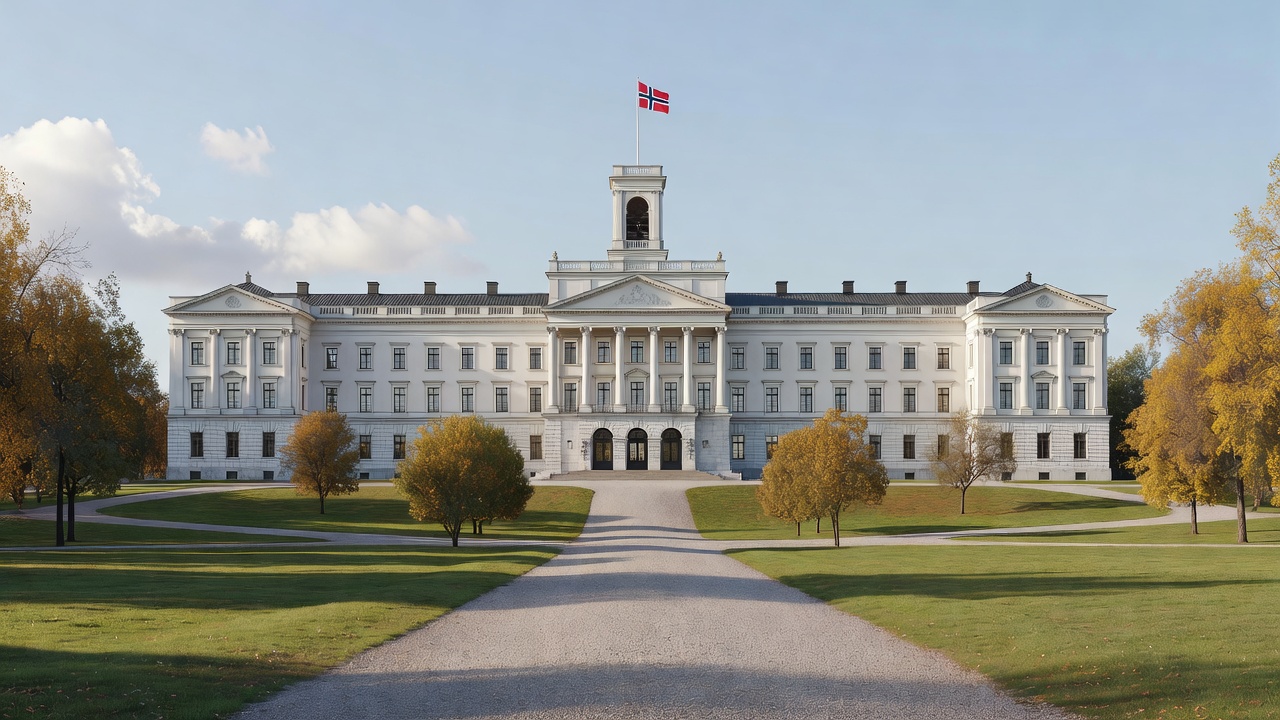
The Norwegian Royal Court confirmed that Princess Astrid died in Oslo at the age of 94 on September 11, 2026, shortly after she had been seen at the funeral of her brother King Harald V. According to Reuters, King Harald was laid to rest on September 9 following his death on August 28 at the age of 89, with the ceremony drawing European royals and heads of state. A Tatler magazine profile noted that Princess Astrid had maintained an active role in royal duties well into her later years despite relinquishing her apanage upon marriage. The court described her as the last surviving child of King Olav V and Crown Princess Märtha, whose passing leaves a significant gap in the family’s older generation.
Store norske leksikon reported that Princess Astrid was born on February 12, 1932, at Villa Solbakken in Oslo and spent part of her childhood in exile in the United States during the Nazi occupation of Norway. The family returned after liberation in 1945, after which she completed her education at Nissen girls’ school before studying economics and political history at the University of Oxford for two years. According to the official website of the Royal House of Norway, she attended the 1953 coronation of Queen Elizabeth II, an event she later recalled as one of her greatest memories. Her early experiences shaped a lifetime of public service that continued even after she stepped back from some formal roles.
A Wikipedia entry compiled from official records states that Princess Astrid served as Norway’s first lady for 14 years after her mother’s death from cancer in 1954 until her brother King Harald married Queen Sonja in 1968. During that period she accompanied her father King Olav V on state visits, including hosting Queen Elizabeth II during a 1955 trip to Norway, according to a History of Royal Women account. The transition ended when Queen Sonja assumed the role, allowing Princess Astrid to focus more on her own family while still undertaking select royal engagements. Her contributions during those years helped stabilize the monarchy in the post-war era.
The Norwegian Royal Court detailed that Princess Astrid married Johan Martin Ferner in January 1961 at Asker Church after the couple met during a sailing event, with Ferner being a businessman and former Olympic sailor. They had five children together, Cathrine, Benedikte, Alexander, Elisabeth and Carl-Christian, who largely grew up away from intense public scrutiny, according to multiple biographical sources including Tatler. Ferner died in 2015 at the age of 87, after which Princess Astrid continued her patronage work while spending time with her seven grandchildren and three great-grandchildren. The marriage had initially faced some opposition from the church due to Ferner’s prior divorce but received approval from her father.
According to profiles from both Tatler and the Royal House of Norway, Princess Astrid held 12 patronages throughout her life, including the Norwegian Women’s Sanitary Association since 1955, and served as chairwoman of the Crown Princess Märtha Memorial Foundation. She remained one of the longest-serving working royals, often seen with her rescue dog at engagements even in her 90s. A CNN report on the recent royal transitions noted that her death comes amid a period of change for the Norwegian monarchy following King Harald’s passing and the accession of King Haakon VIII. Public support for the institution has held steady at around 72 percent in recent polling by Norstat for NRK.
The Royal House of Norway indicated that Princess Astrid was the aunt of the new King Haakon VIII and had been the older sister to King Harald, completing a direct link to the generation that guided Norway through the mid-20th century. Her funeral arrangements are expected to be announced in the coming days, building on the recent state ceremonies for her brother that saw tens of thousands line Oslo’s streets. AP News coverage of King Harald’s death highlighted how the family has modernized the monarchy while facing occasional scandals, a context in which Princess Astrid provided continuity and discretion. Tributes from officials and fellow royals have begun to emerge as the nation processes the loss of another senior figure.