ع
ع


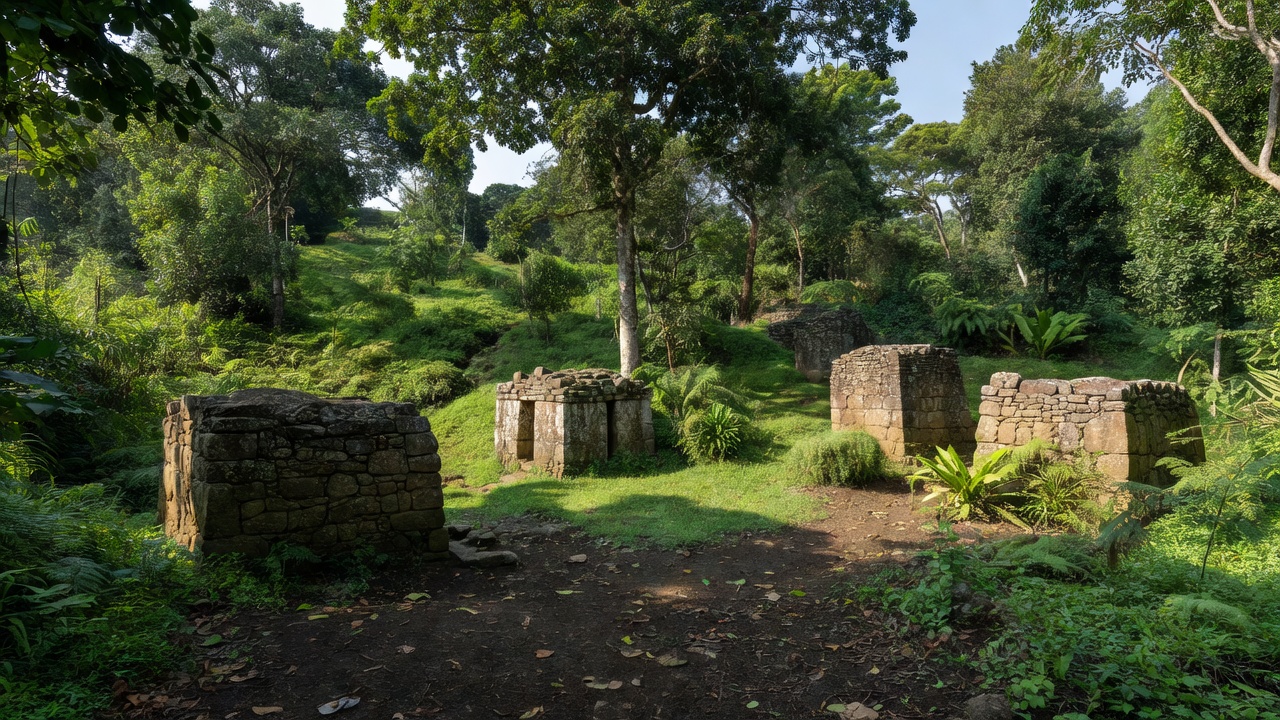
Royal guards carried the casket through the streets of Fort Portal before Oyo’s appointed successor cast nine coffee berries into the grave at the Karambi Royal Tombs, marking the formal handover of power in the western Ugandan kingdom. The burial took place exactly 31 years after Oyo’s coronation, according to a Guardian report on the ceremony. Edward Rukidi Kijanangoma, a 56-year-old news anchor at the state broadcaster UBC and the late king’s cousin, performed the ritual after a funeral service at St John’s Cathedral that drew thousands of mourners and dignitaries. A government spokesperson could not be reached for comment on the proceedings.
A succession committee from the Babiito royal clan announced on September 10 that it had selected Kijanangoma as the next Omukama, Reuters reported from Kampala. The choice triggered immediate opposition from Oyo’s mother, Queen Best Kemigisa, and sister, Princess Ruth Komuntale, who cited a 2022 will naming the late king’s biological son as heir. The family maintained that the process had disregarded the monarch’s written wishes, while the clan insisted it followed custom and that no such son had been known to them previously. Oyo never married and had no publicly acknowledged children until the announcement of his death.
Archbishop Stephen Kaziimba Mugalu told mourners at the cathedral that moments of grief could reopen historical conflicts but should instead bring people together through prayer and shared mourning. “Words spoken in grief can cause pain, division and conflict,” he said, according to ChimpReports coverage of the sermon. “It can even destroy the legacy of the king we are mourning.” The archbishop likened Oyo to the biblical King Josiah and called for laying down disagreements as the monarch was laid to rest, adding that grief had historically bonded communities.
Oyo died on August 27, 2026, at age 34 in the United States while undergoing treatment for aggressive cancer, multiple outlets including Nilepost and Reuters confirmed. He had ascended the throne in 1995 at the age of three following his father’s death, earning recognition as the world’s youngest reigning monarch at the time. His remains returned to Uganda on September 4, prompting a nine-day official mourning period that was overshadowed by the public family rift.
The late king supported environmental conservation, youth vocational training, tourism promotion and poverty eradication initiatives throughout his reign, Kaziimba noted in his address. The Diocese of Rwenzori plans to honor his memory with a large-scale tree-planting drive in partnership with the kingdom. Tooro Prime Minister Calvin Armstrong Rwomiire had earlier appealed for calm ahead of the burial, stating that the crown had endured generational disputes and that time remained after the funeral to address the will, customs and law.
Uganda’s government facilitated talks between the royal family and clan to resolve the impasse before the ceremony, a kingdom spokesperson told Reuters. Besides the throne, the successor stands to inherit significant royal estates, land holdings and ongoing financial support from the central government. The Tooro Kingdom, restored in 1993 after its 1967 abolition along with other traditional institutions, serves as a unifying cultural symbol for roughly one million Batooro people across several western districts, the kingdom’s official history shows.