ع
ع


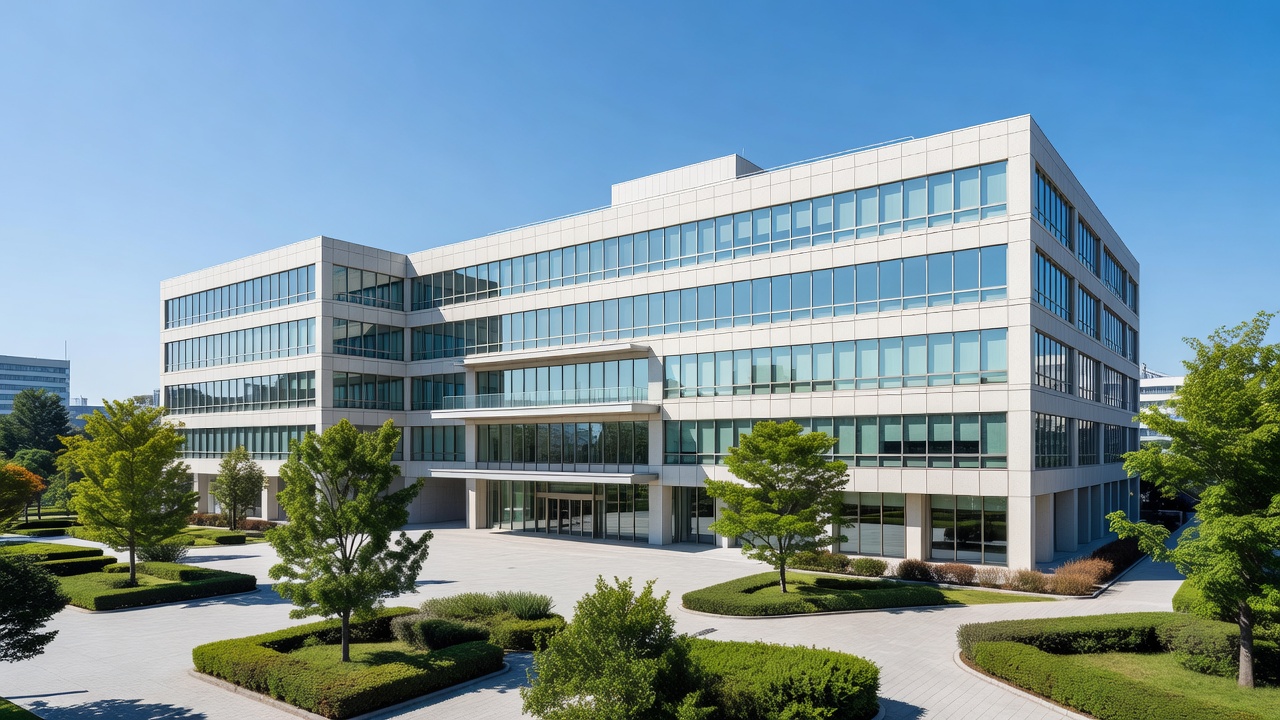
Newly released security camera footage from Kumamoto General Hospital shows the moment a powerful earthquake struck an operating room where surgeons were performing an abdominal procedure on July 28, 2026. Medical staff held down the operating table and used their bodies to shield the patient as equipment swayed violently, lights flickered and objects flew across the room, according to the video obtained by outlets including The Telegraph and the BBC. A nurse moved quickly to open a door and establish an evacuation route while the tremors lasted around 16 seconds. The hospital reported that four surgeries were underway at the time and all were completed without incident despite the disruption.
The earthquake, which the United States Geological Survey measured at magnitude 6.8 and the Japan Meteorological Agency recorded as 7.1, struck Kumamoto Prefecture in southern Japan at approximately 4:27 p.m. local time. Its epicenter lay about 5 kilometers east of Uto at a depth of 10 kilometers, triggered by strike-slip faulting along regional faults, Japan Meteorological Agency data shows. More than 30 aftershocks followed within hours, compounding the initial damage to infrastructure across the area.
At least 38 people died and more than 120 were injured in the quake and its aftermath, according to official tallies compiled by Japanese authorities and reported by Reuters and CNN. Two women in their 20s perished in an explosion at a shopping mall while another death occurred in a separate building collapse, with multiple people reported missing after a factory chimney fell at a Nippon Paper Industries site. Major roads ruptured, thousands of homes lost power and rail as well as air services were suspended in the immediate hours after the event.
Hospitals across the prefecture absorbed a surge of casualties, with one facility in Hikawa treating at least 50 injured people and another in Minami Ward receiving more than 50 patients including one who was unconscious, public broadcaster NHK reported. A manager at Kumamoto Minami Hospital described the scene to CNN as resembling a hospital in a war zone while staff scrambled to relocate patients amid power outages and intense summer heat. Facilities such as Sakurajyuji Kumamoto Uki Hospital struggled to maintain air conditioning for elderly patients, highlighting vulnerabilities in backup systems during the crisis.
The event recalled the 2016 Kumamoto earthquakes that also devastated the region and led to strengthened building codes and disaster protocols across Japan, according to seismic records maintained by the Japan Meteorological Agency. Situated on the Pacific Ring of Fire, the country experiences frequent seismic activity that has driven investment in early warning systems and staff training for medical facilities. The surgical team’s composed response at Kumamoto General Hospital aligned with those preparedness measures and prevented any loss of life in the operating theatres.
Kumamoto General Hospital suspended outpatient services immediately after the quake but resumed them on August 5, 2026, according to a hospital statement. The successful continuation of surgeries during the shaking demonstrated the effectiveness of routine drills that prepare staff for such events in one of Japan’s most active seismic zones. Footage of the incident, distributed via media channels this week, has drawn international attention to the human element of disaster response in healthcare settings.