ع



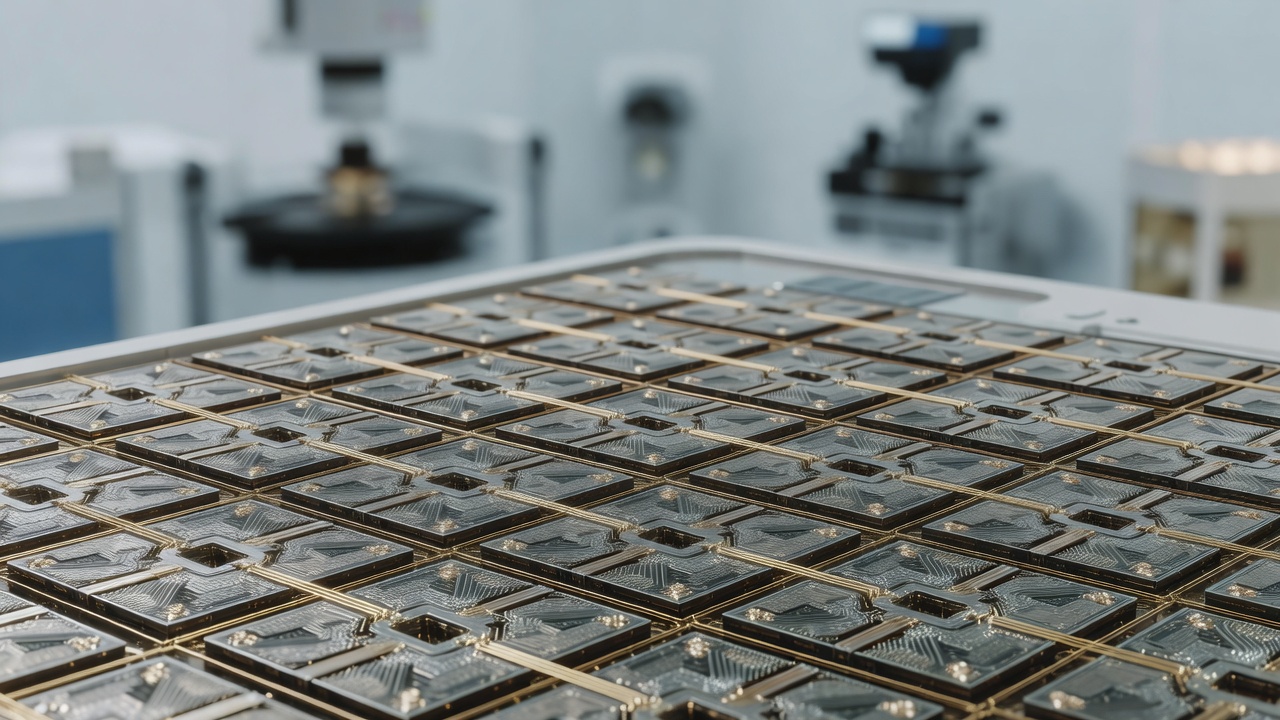
The comments from the head of the American semiconductor leader came as the United States maintains and periodically updates export controls aimed at preventing advanced computing technology from reaching Chinese military and state-linked entities. Huang outlined the challenges of navigating commercial opportunities in a vast market while adhering to regulations intended to safeguard American technological edges. The BBC report on the discussion highlighted Huang’s perspective that such policies, while well-intentioned, could have unintended consequences for the global innovation landscape.
A Reuters review of semiconductor trade patterns published in September 2026 showed that US export controls first enacted in October 2022 and expanded in subsequent years have reduced direct shipments of high-performance graphics processing units to China by an estimated 40 percent. Chinese authorities responded with subsidies exceeding $100 billion for domestic chip development according to data compiled by the Rhodium Group think tank. The Nvidia executive noted in the interview that these investments have enabled rapid progress in alternative technologies within China despite the barriers.
Faisal Islam pressed Huang on the national security implications during their conversation as broadcast by the BBC on November 10 2026. The Nvidia boss responded by acknowledging the validity of concerns over potential military applications while suggesting that isolation might not achieve the desired outcomes. Figures from the US Department of Commerce indicate that licensing requirements now cover a broader array of AI-related hardware with approval rates for shipments to certain Chinese firms falling below 30 percent in the last fiscal year.
Nvidia has introduced modified chip designs compliant with the export regulations to continue serving segments of the Chinese market the company said in its earnings filing for the period ending in October 2026. These products accounted for a reduced but still notable portion of regional revenue according to the filing. A separate assessment by Bloomberg Intelligence from last month estimated that the compliant versions yield profit margins roughly half those of unrestricted chips sold in other markets.
The discussion also addressed the wider US-China technological competition with Huang cautioning that full decoupling could disrupt global supply chains essential for AI advancement. The Semiconductor Industry Association reported that East Asian foundries produce more than 70 percent of the world’s leading-edge semiconductors based on 2025 capacity data. Huang told the BBC that sustained international collaboration remains crucial even as governments prioritise security considerations.
Analysts at Gartner Inc. project the Chinese AI infrastructure market to expand at a compound annual growth rate of 22 percent through 2030 despite the export hurdles with the firm attributing much of the momentum to state-backed initiatives. The BBC interview underscored Huang’s view that innovation in artificial intelligence would continue across borders regardless of individual policy measures. US officials at the Bureau of Industry and Security have stated that the controls are calibrated to target specific risks without broadly stifling commercial activity.