ع
ع


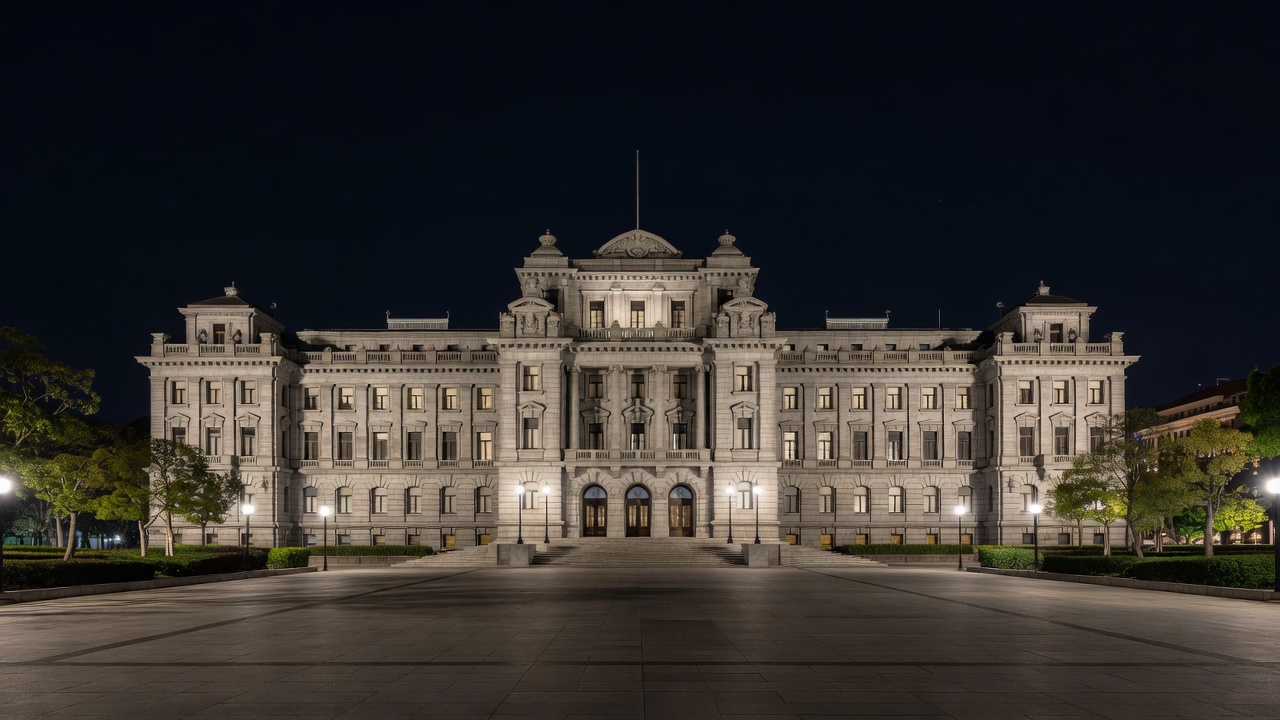
The presidential office announced that President Lai Ching-te and senior officials conducted the drill the previous night to test commanding defensive operations and maintaining the continued functioning of government during emergency situations. Spokesperson Karen Kuo said in a statement that the exercise reviewed the command structure inter-agency coordination and emergency-response mechanisms to ensure effective operations in unforeseen circumstances. Images released by the office showed Lai wearing body armour and a helmet as he entered the back of an armoured personnel carrier. The operation formed part of the Wan Chun contingency plan for evacuating the president during war or crisis.
Taiwan’s defence ministry stated that the annual Han Kuang exercises which began on August 5 and run for 10 days would use a continuous-scenario format to sharpen units’ ability to respond in a realistic combat environment. Troops deployed Patriot missile systems in parks and fitted missile launchers on coast guard vessels while Tien-Kung III surface-to-air missiles appeared near Songshan airport and the defence ministry. The drills also tested counter-blockade coastal strike operations protection of critical targets and whole-of-society support to prepare the population for potential conflict according to the ministry.
Reuters reported that the Wan Chun plan dates to the height of the Cold War when Chiang Kai-shek first used it in 1949 after fleeing to Taiwan following defeat in China’s civil war. The plan addresses long-standing concerns over a possible decapitation strike targeting the island’s leadership. Lai who took office in 2024 participated in the exercise for the first time as president the presidential office confirmed.
On the same day as the drill Taiwan’s defence ministry detected 14 Chinese aircraft and nine warships operating around the island. Beijing has increased military pressure on Taiwan conducting daily activities in the area while viewing Lai as a separatist and rejecting his offers of talks. The presidential office framed the evacuation drill as preparation for various threats including those posed by China though no direct link to specific intelligence was provided.
The Han Kuang exercises which constitute Taiwan’s largest annual military drills also include simulations of invasion scenarios and civil-defence measures. A further test next week will slow mobile internet speeds for the first time to assess bandwidth scarcity during an emergency or conflict according to government plans. Such steps build on previous iterations of the exercises that have grown in scale since heightened cross-strait tensions emerged in recent years.
The presidential office added that the nighttime evacuation allowed officials to rehearse continuity of government functions away from central locations vulnerable to strike. No actual threat prompted the drill which was scheduled in advance as part of the broader Han Kuang schedule running through August 14. Officials have not commented on whether future drills will expand the scope of leadership protection measures.