ع



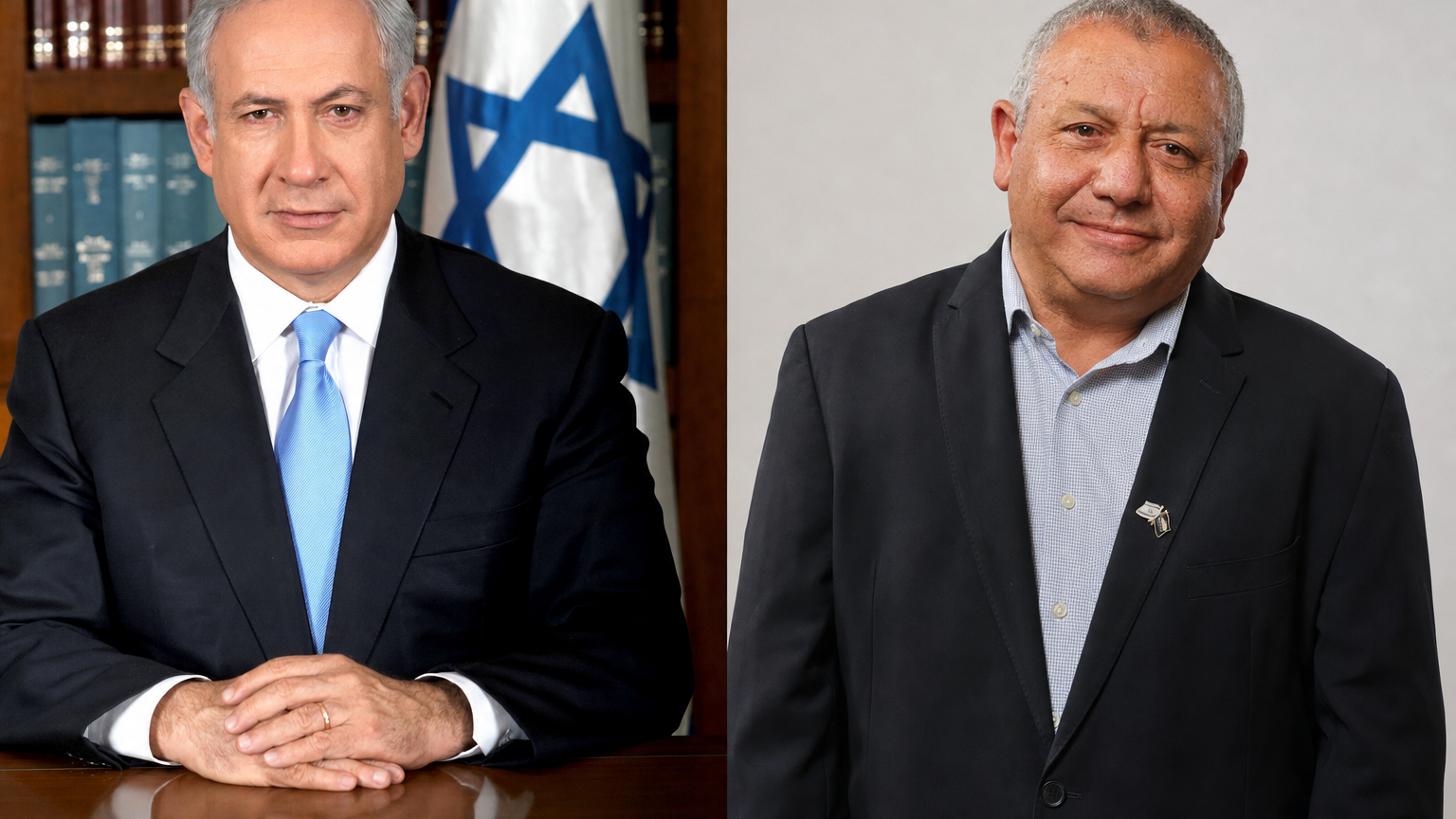
Final polls published ahead of Israel’s October 27 general election show Prime Minister Benjamin Netanyahu’s Likud party and challenger Gadi Eisenkot’s Yashar party in a virtual tie for the largest number of seats yet neither pro- nor anti-Netanyahu bloc appears capable of mustering a Knesset majority. A Times of Israel analysis of recent surveys placed both the Netanyahu-aligned and opposition camps at around 53 seats each with Arab parties projected to take 14 leaving a path to government dependent on complex negotiations. According to the Jerusalem Post Eisenkot’s Yashar is averaging 22 seats compared with just under 20 for Likud highlighting a fragmented political landscape two days before voters head to the polls.
The election marks the first national vote since the October 7 2023 Hamas attacks and the ensuing conflicts in Gaza Lebanon and with Iran events that have exacerbated existing societal rifts. A Reuters assessment from earlier in the campaign noted that Netanyahu’s coalition has seen its support erode significantly with the prime minister’s party potentially losing up to a third of its previous strength. AP News reporting on the splintering of Netanyahu’s base pointed to tensions over the military draft for ultra-Orthodox Jews as a key factor driving voters toward centrist options.
Opposition forces led by Eisenkot a former military chief who lost a son in the Gaza war have positioned themselves as a security-focused alternative promising competence without the baggage of long-term incumbency. Naftali Bennett’s B’Yachad party is forecast to secure around 14 seats and could play a pivotal role in coalition talks according to polling aggregates compiled by The Petek. Yair Golan’s Democrats and Avigdor Lieberman’s Yisrael Beiteinu round out the main opposition lists each projected to win between eight and 10 mandates in averages from multiple pollsters.
On the right Netanyahu relies on allies including Itamar Ben-Gvir’s Otzma Yehudit and Bezalel Smotrich’s Religious Zionism alliance both polling in the seven-to-eight seat range. The haredi parties Shas and United Torah Judaism are expected to contribute another 14 to 15 seats combined to the Netanyahu bloc a Reuters report from September indicated. Yet internal divisions within the right-wing camp have complicated unity efforts with some traditional Likud voters shifting toward more moderate positions on issues like judicial reform and religious conscription and Netanyahu told Channel 14 “When we unite we win. When we splinter we lose.”
Key fault lines include attitudes toward a state commission of inquiry into the October 7 failures West Bank annexation and public transport on the Sabbath according to a detailed breakdown by the Times of Israel. While the opposition largely favors such an inquiry and opposes full annexation Netanyahu’s partners take the opposite stance on most of these questions. Arab parties including the Joint List and Ra’am are projected to win 14 seats but have been largely sidelined from coalition calculations by both major blocs.
The prospect of extended coalition negotiations comes as Israel continues to manage security challenges across multiple fronts with the election outcome likely to shape the country’s approach to regional diplomacy. Polling by Channel 13 and others has shown Eisenkot edging Netanyahu in preferred prime minister ratings with 44 percent favoring the former general against 38 percent for the incumbent in one recent survey. Final results will not be known until after polls close on Tuesday evening with no further surveys permitted from Saturday onward.