ع




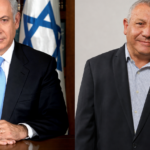
Polls project Netanyahu’s right-wing bloc securing between 49 and 53 seats in the 120-member Knesset while the opposition led by Eisenkot’s newly formed Yashar Party hovers at 50 to 54 seats, according to multiple surveys compiled by Reuters. Neither side appears on track to reach the 61 seats required to form a government independently, setting the stage for extended coalition talks that could drag into 2027 or trigger yet another election. A New York Times report detailed how voters on both sides view the Oct. 27 contest as existential, centered on the fate of Israeli democracy, the social contract strained by years of division and the equitable distribution of national defense burdens.
The election represents the first national vote since the Hamas-led attacks of Oct. 7, 2023, that killed nearly 1,200 people in Israel and triggered prolonged conflicts in Gaza, Lebanon and against Iran, the BBC noted in its coverage. Accountability for the security lapses that enabled those attacks has dominated campaign discourse, with challengers sharply criticizing the Netanyahu government while the prime minister has highlighted subsequent military operations that he says restored deterrence. Many Palestinians in Gaza and the West Bank hope the vote will remove Netanyahu from power, as a New York Times dispatch from the region found, given his opposition to a Palestinian state and the accelerated settlement construction in the West Bank under his administration.
Economic considerations add another layer to voter calculations, with Israel’s 2025 growth exceeding the OECD average by more than a percentage point despite the wars, Reuters Breakingviews reported. The outcome could influence long-term fiscal stability, particularly if judicial reforms or shifts in ultra-Orthodox military exemptions resurface as flashpoints. The Council on Foreign Relations assessment placed the vote in the context of broader questions about Israel’s international isolation, including proceedings at the International Court of Justice and potential sanctions.
Eisenkot, who built his popularity on military credentials and formed his party only last year, has ruled out a unity government with Netanyahu, according to reporting from the Atlantic Council. This stance narrows paths to a stable majority and echoes the repeated election cycles between 2019 and 2022 that left the country in political limbo for years. The proportional representation system, which allocates Knesset seats based on national party lists passing a 3.25 percent threshold, virtually guarantees coalition governments and often elevates smaller parties as kingmakers.
Discussions around why Israel’s election is one of the most important in its history have focused on competing visions for the country’s identity as both Jewish and democratic, with far-right allies pushing nationalist policies while centrists advocate for renewed diplomacy and internal reforms. The Chatham House analysis underscored how the campaign, though muted in public rallies, grapples with Iran’s ongoing threat, settler activities in the West Bank and the absence of a clear two-state solution on the horizon. Turnout and last-minute shifts among undecided voters could prove decisive in what remains a statistical tie.
Post-election negotiations will determine whether the next government pursues aggressive security measures or seeks to repair Israel’s global standing, the International Crisis Group observed in its pre-vote evaluation. With roughly half the electorate aligned in each bloc, the process highlights deep societal rifts that have intensified since the 2023 attacks and subsequent military campaigns. Analysts caution that even a change in leadership may not immediately alter Israel’s core strategic posture given the shifted political center.