ع
ع


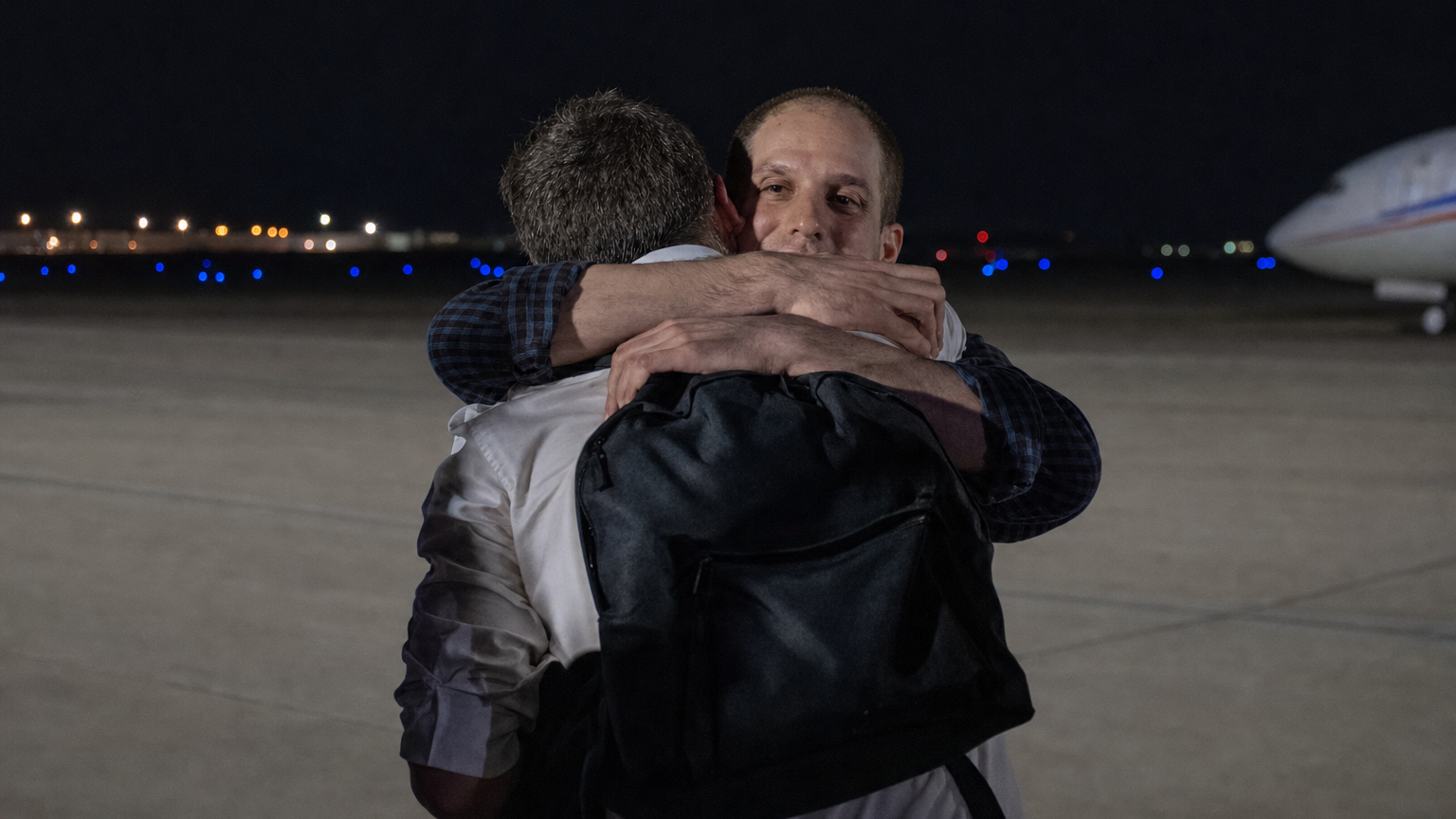
Evan Gershkovich has recounted how he was drawn to a meeting in Yekaterinburg by what he believed was a promising source with details on a major tank manufacturer only for the encounter to prove an elaborate setup by Russia’s Federal Security Service. “I was lured into a trap,” Gershkovich recalled of the moment balaclava-clad agents seized him at a steakhouse and pulled his shirt over his head to conceal his identity as they took him away. The reporter had been covering the impact of Moscow’s full-scale invasion of Ukraine when he was detained on March 29 2023 becoming the first U.S. journalist to face espionage charges in Russia since the Cold War. His new memoir explores whether President Vladimir Putin truly viewed him as a spy or simply a valuable hostage in high-stakes negotiations.
The Wall Street Journal denounced the accusations as fabricated from the outset while the Biden administration designated Gershkovich as wrongfully detained and mounted a sustained diplomatic campaign for his freedom. During his 491 days in custody the reporter spent most of his time in Moscow’s notorious Lefortovo prison where he adhered to a rigorous daily schedule of exercise reading meditation and note-taking that he later channeled into his book. A closed trial in July 2024 produced a 16-year sentence consistent with the near 98 per cent conviction rate in Russian espionage cases according to independent court observers. Gershkovich later learned from post-release contacts that the FSB had prepared a backup arrest plan had the Yekaterinburg operation faltered.
The sentencing served as a procedural step toward resolution and on August 1 2024 Gershkovich walked free in the largest East-West prisoner exchange since the Cold War. The Associated Press reported that the multinational deal spanned seven countries and secured the release of 24 individuals including Americans Paul Whelan and Alsu Kurmasheva as well as prominent Russian dissidents such as Vladimir Kara-Murza. In return Russia obtained Vadim Krasikov a convicted FSB assassin serving life in Germany along with several suspected intelligence operatives held in the United States and Europe multiple Western officials told The New York Times. Gershkovich has since reflected that some Kremlin insiders privately expressed concern for his welfare during his imprisonment.
In the two years following his return Gershkovich has undergone multiple rounds of therapy describing the psychological aftermath as a process of cauterising deep wounds through writing his memoir “This Cursed Beautiful Land”. Speaking to The Times he explained that readjusting to ordinary life initially felt overwhelming despite the immediate joy of reuniting with family and meeting President Biden and Vice President Harris upon landing in the United States. He credited Biden with making his release possible and told Good Morning America that the former president was the reason he could recount his story today. The experience also prompted him to question the Kremlin’s narrative after learning through investigative journalist Christo Grozev that the operation may have involved internal FSB rivalries.
Gershkovich has repeatedly drawn attention to the lesser-known Russian political prisoners he met during a month in a Yekaterinburg detention center stressing that they held varied beliefs and received little public recognition. In his first public comments after regaining freedom he voiced hope that international efforts could extend to those still behind bars. Memorial’s latest barometer of repression placed the number of recognized political prisoners at 1,680 as of June 2026 with more than 5,500 additional cases showing signs of political motivation. The Guardian reported that the swap also freed several Navalny associates and other critics of the Ukraine war highlighting the deal’s scope beyond the American detainees.
The prisoner exchange underscored the intersection of espionage allegations and geopolitical bargaining amid Russia’s ongoing conflict with Ukraine. Gershkovich revealed in his book that he used his mandatory clemency petition to Putin to request a post-release interview with the Russian leader a characteristic journalistic flourish that drew wide attention after his freedom. Post-release meetings with figures such as Tucker Carlson provided additional insights into back-channel discussions that shaped the negotiations according to accounts shared with the reporter. The case has contributed to broader warnings from press freedom organisations about the heightened dangers faced by journalists working in authoritarian environments.