ع



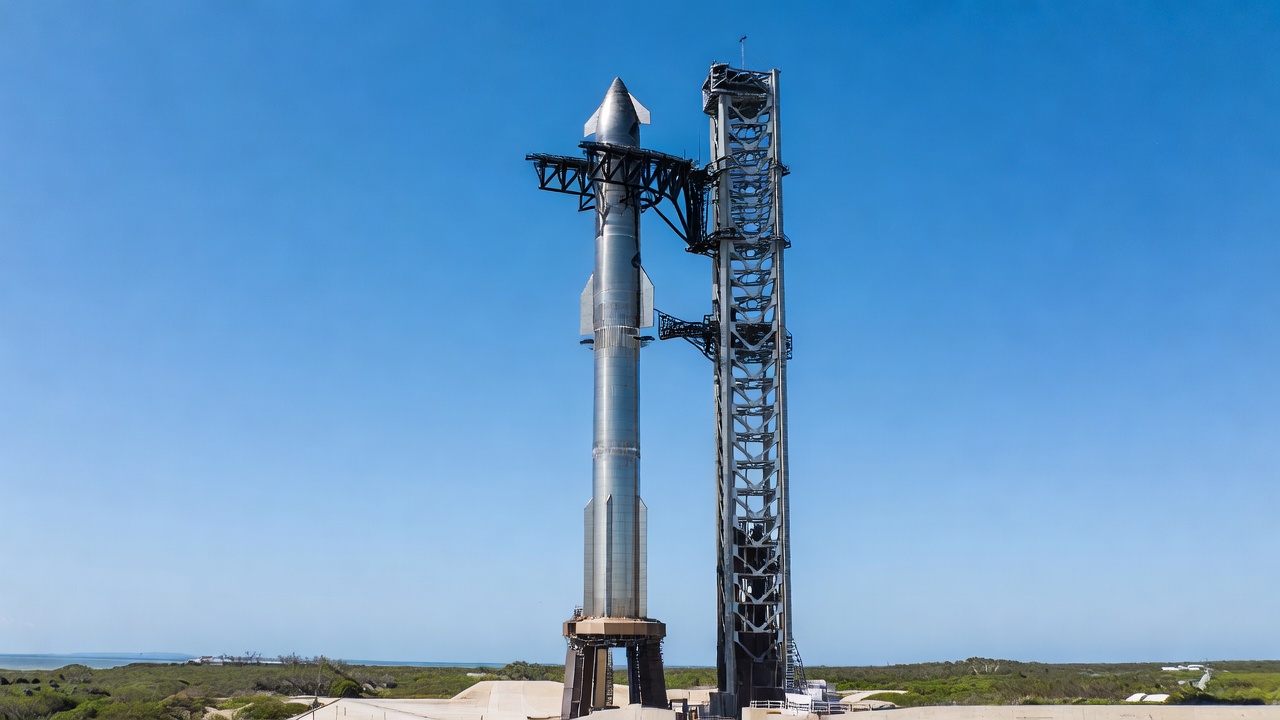
SpaceX launched its Starship rocket system on November 13, 2026, from Starbase in Texas aiming to achieve the first double catch of both stages using the launch tower’s mechanical arms, according to Reuters. The Super Heavy booster encountered an engine malfunction minutes after separating from the upper stage, forcing an abort of the catch attempt and a diversion for a controlled splashdown in the Gulf of Mexico, NBC Chicago reported. The upper stage nevertheless continued successfully into orbit where it deployed 26 next-generation Starlink satellites as part of the mission profile.
This test represented the first attempt to recover the Starship upper stage from orbital speed and after 14 full revolutions of the Earth, a step that would have marked full reusability of an orbital vehicle if both catches had succeeded, Scientific American noted. SpaceX had previously caught the Super Heavy booster three times in earlier flights, most recently in March 2025, according to Space.com. Data review from the booster’s performance is now underway to determine the root cause of the issue that prompted the safety diversion.
Elon Musk had characterized a successful double catch as the first full recovery of an orbital launch vehicle and a profound technology milestone during the company’s third-quarter earnings call, Teslarati reported. Such reusability is viewed as key to slashing costs and enabling frequent flights necessary for NASA’s Artemis lunar program and eventual Mars exploration. The vehicle itself measures 124 meters tall and stands as the most powerful rocket ever flown.
Liftoff occurred at 4:45 p.m. local time within a 75-minute window, with the booster expected to return for capture after six and a half minutes, multiple accounts including from the South China Morning Post confirmed. Instead, the booster produced a sonic boom and visible fiery descent into the ocean where it exploded on impact, Express News coverage of local observations indicated. The upper stage remains on course for its catch attempt approximately 22 hours after launch on November 14 barring any further issues.
Earlier Starship tests had achieved incremental gains in booster recovery while revealing upper-stage engine challenges that led to losses in some cases, NASASpaceFlight.com records show. SpaceX has incorporated design changes such as added insulation on Raptor engines to mitigate ignition problems observed in 2025 flights. The company is targeting weekly Starship launches by the first half of 2027 along with operations from a new Florida pad by the end of 2026, Reuters stated.
The mission advanced SpaceX’s Starlink constellation by placing additional satellites into low-Earth orbit to expand high-speed internet coverage, pre-flight briefings referenced in reporting from BBC News indicated. Oversight by the Federal Aviation Administration continues to govern these tests with emphasis on public safety near the South Texas site. Further analysis of flight telemetry will guide refinements ahead of subsequent Starship operations.