ع
ع


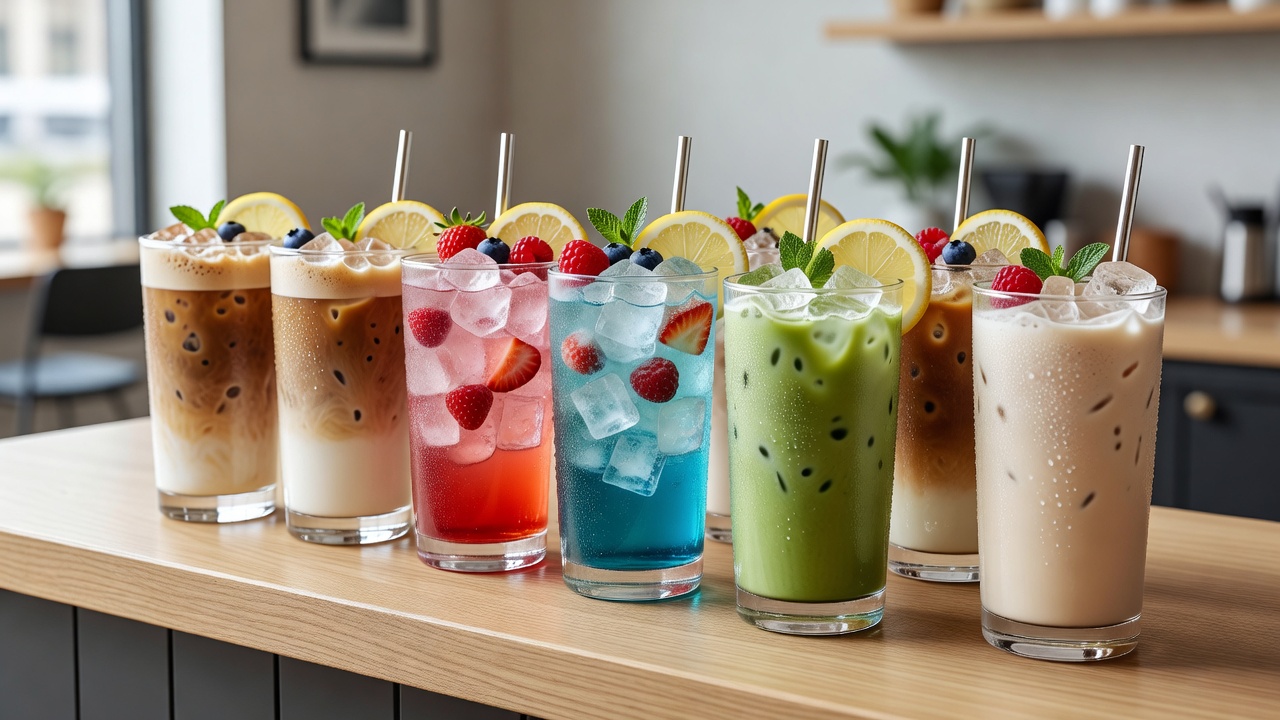
Cold beverages now represent three out of every four drinks sold at Starbucks, according to the company’s recent performance metrics that highlight the chain’s evolution from its coffee shop roots. In the third quarter of fiscal 2026, Starbucks Refreshers achieved double-digit revenue growth in the United States, bolstering overall comparable store sales that rose 7.9 percent. The increase was supported by a 4.2 percent rise in transactions and higher average tickets, a Starbucks earnings filing showed. This performance underscores how younger customers are reshaping the menu with demand for iced fruity options and protein shakes.
Keurig Dr Pepper’s 2026 State of Beverages Trend Report found that 75 percent of Gen Z drink cold coffee, exceeding rates for other generations, while 75 percent of Gen Z and millennials customize their beverages. The report indicated that nearly six in ten Gen A/Z consumers say their drink reflects who they are, with strong interest in unique flavors and limited editions. Gen Z consumers are 58 percent more likely to choose drinks based on mood or occasion than older groups.
According to a National Coffee Association study, nearly half of 18- to 24-year-olds consumed a specialty coffee in the past day, with 40 percent opting for cold or iced versions. The global iced coffee market is projected to nearly double from 11.1 billion dollars in 2024 to more than 21 billion by 2034, with North America accounting for 47 percent. In Canada, 45 percent of Gen Z prefer cold coffee, compared with 15 percent for Gen X and 9 percent for boomers.
Social media continues to play a pivotal role in popularizing these drinks, as evidenced by the brief availability of Starbucks’ Unicorn Frappuccino which lifted foot traffic by 44 percent as measured by Placer.ai. Other chains have responded by introducing customizable cold options and celebrity collaborations, such as Dunkin’s partnership with Kylie Jenner that TikTok creator Natalie Ludwig said could help retain a younger audience. “Maybe that younger audience sticks,” Ludwig added in her assessment of the campaign.
In the United Kingdom, data from Worldpanel by Numerator places the share of cold drink purchases by those under 25 at more than 60 percent for out-of-home occasions, double the rate for shoppers aged 55 and above. Over 70 percent of consumers buy cold drinks year-round while the figure exceeds 80 percent during summer months. The trend shows no signs of seasonal limitation, with research from Lincoln and York indicating that 93 percent of 25- to 34-year-olds drink cold coffee and 72 percent do so weekly.
Customisation and visual appeal help justify premium pricing for these beverages, Euromonitor International’s Tristan Höver told the BBC, noting that Gen Z is price-sensitive but pays more for drinks that feel special. “Customisation gives them a sense of control,” Höver said. Jerry Sheldon, an analyst at IHL Group, stated that cold drinks are a form of self-expression. Kelly Goldsmith, a professor of marketing at Vanderbilt University, observed that consumers are “not paying for what’s in the cup, but what’s on the cup.”
Elaine Ling, a 21-year-old splitting time between New York and California, told the BBC that she only visits Starbucks for cold drinks and gets her real coffee from local cafes because the chain’s hot coffee is too sweet. “I’m more of a refresher girl when it comes to going to Starbucks,” Ling said. The preferences align with a wider cultural move where beverages serve as identity signals and functional tools for younger generations across multiple markets.