

 ع
ع


The sequence began early on the morning of August 26 when the border crossing was bustling with activity according to a detailed timeline compiled by Nepal’s Department of Hydrology and Water Resources Research. Immigration officials had processed dozens of travelers by 8:35 a.m. local time with several hundred people waiting to cross into Tibet for pilgrimage or trade. Moments later seismic instruments recorded mountain movement upstream followed within minutes by a surge that destroyed the friendship bridge immigration facilities and nearby settlements in a matter of seconds satellite imagery and CCTV footage analyzed by authorities showed.
Nepal’s National Disaster Risk Reduction and Management Authority reported 903 deaths in the country as of August 31 with 4,247 people still missing including 592 foreigners from more than 30 countries. Chinese state media placed the toll on their side at 16 dead and 546 missing in Gyirong County. Among those unaccounted for were numerous pilgrims heading to Mount Kailash with one group of 77 from the Isha Foundation reported missing by survivors speaking to BBC News while hydropower project workers trapped in tunnels added hundreds to the lists compiled by Nepal Police.
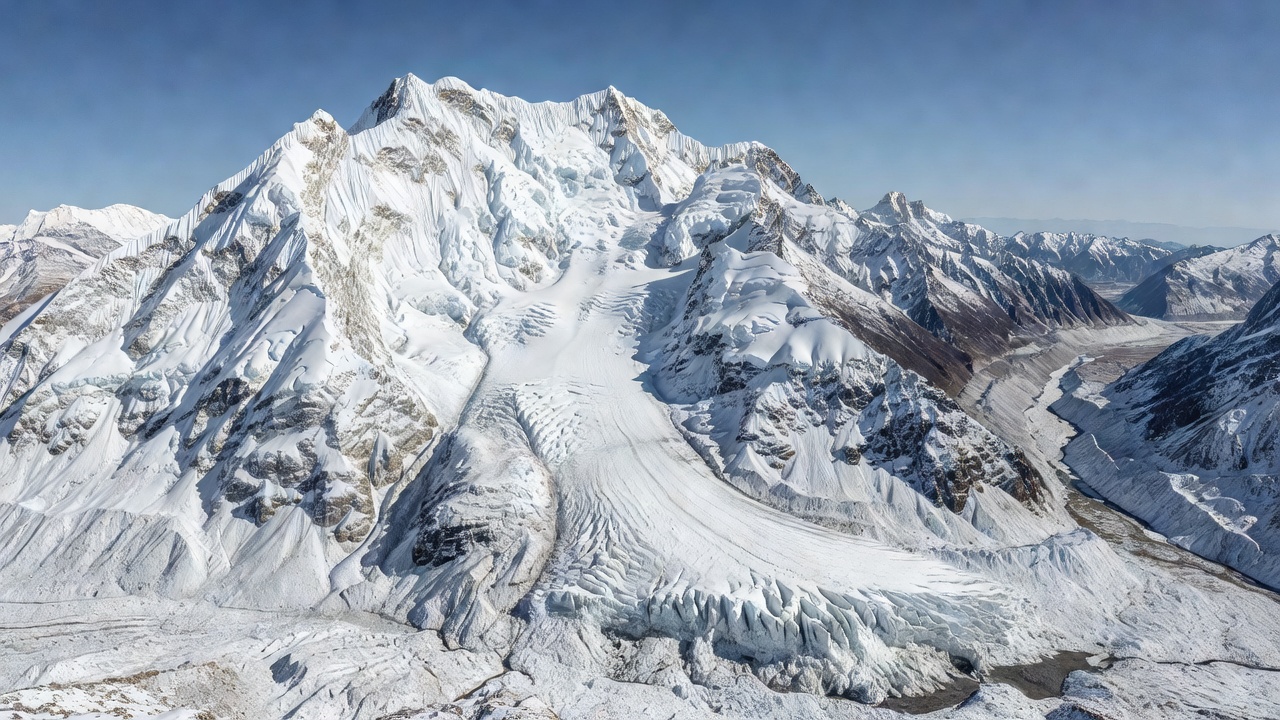
A preliminary assessment by the National Disaster Risk Reduction and Management Authority using Planet Labs satellite imagery determined that an ice-rock avalanche from a glacier on Mount Langtang Lirung at about 5,200 meters altitude triggered the debris flow some 20 kilometers upstream. The avalanche blocked a tributary before the dam burst sending a wall of mud boulders and water racing down the narrow gorges of the Bhote Koshi River. Hydrologist Ajay Dixit told reporters that the area’s deep gorges and steep rivers make it particularly vulnerable to such high-velocity events carrying heavy sediment.
The border point serves as a critical trade artery accounting for roughly one-third of Nepal’s $2.95 billion annual trade with China according to trade expert Posh Kumar Pandey. The flood destroyed key infrastructure including hydropower stations that supply more than 12 percent of the country’s installed capacity the Energy Ministry stated. Officials noted that 60 to 70 trucks crossed daily carrying electronics vehicles and agricultural goods a flow now halted as roads and the newly rebuilt bridge were swept away.
Rescue operations mobilized nearly 15,000 security personnel with helicopters and drones conducting searches across multiple districts Nepal Police figures show. Chinese rescue teams arrived within days to assist on their side of the border where state broadcaster CCTV described scenes of total ruin. By early this week over 10,000 people had been rescued or evacuated though challenging weather and thick mud in tunnels complicated efforts to reach stranded hydropower workers.
A similar flood in July 2025 had closed the Rasuwagadhi crossing for six months prompting temporary bridges and renewed warnings about concentrating development in the geologically unstable region according to local officials. Experts have pointed to climate change as a factor increasing the frequency of glacial instabilities in the Himalayas the Red Cross estimated that more than 90,000 people have been affected by the latest disaster across both countries.