ع
ع


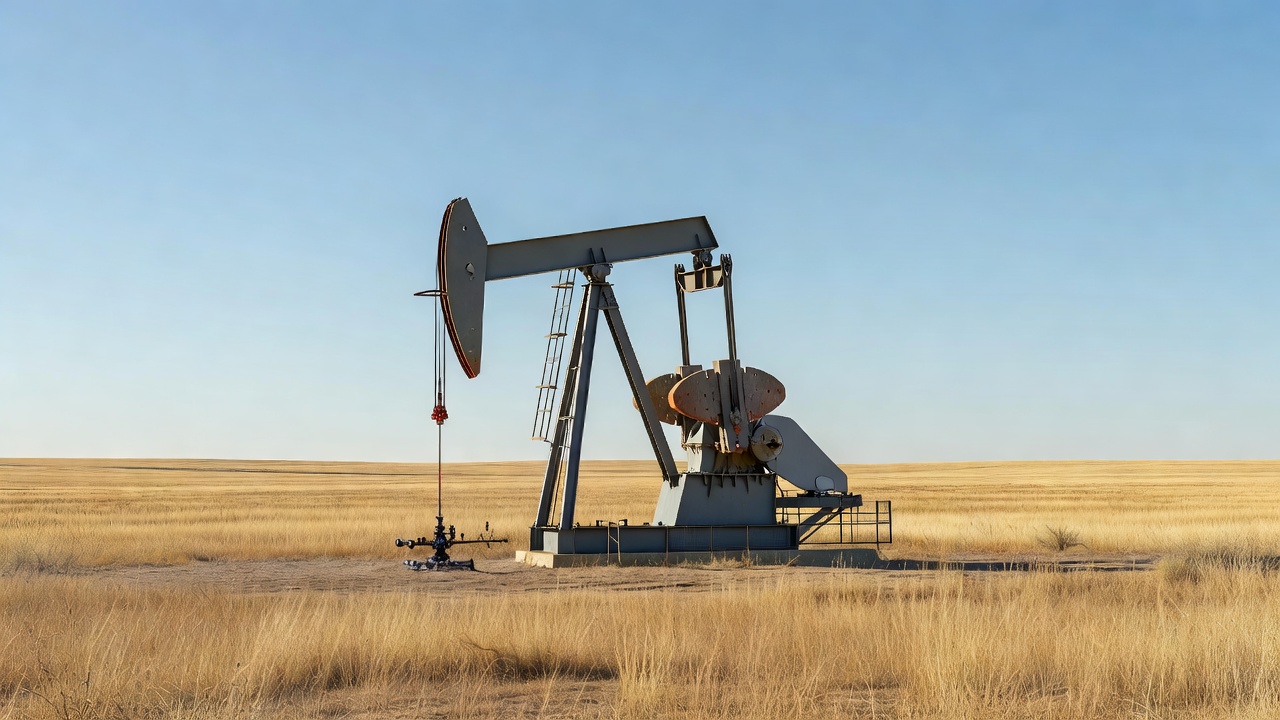
Oil prices rose on Thursday as Brent crude climbed to $72.49 a barrel, according to the Emirates News Agency. West Texas Intermediate futures also posted gains, settling above $68 per barrel amid similar market sentiment. The increases reflect ongoing adjustments to supply forecasts and demand projections for the remainder of 2026.
The WAM report highlighted that positive economic signals from key consuming nations supported the price recovery. Manufacturing activity in Asia has shown resilience, which could translate into higher energy requirements in the coming months. Traders remain attentive to production decisions within the OPEC+ alliance that continue to influence benchmark values.
According to the U.S. Energy Information Administration, crude oil prices experienced significant fluctuations in the first quarter of 2026, with Brent surpassing $118 per barrel at one point due to tensions in the Middle East. The EIA assessment found that disruptions to shipping in the Strait of Hormuz contributed to the earlier surge before values moderated. Current levels around $72 represent a return toward more stable ranges observed prior to the height of the conflict.
J.P. Morgan Global Research has projected that Brent crude will average around $60 per barrel across 2026. Natasha Kaneva, head of Global Commodities Strategy at J.P. Morgan, said, “Oil surplus was visible in January data and is likely to persist.” The forecast anticipates that sizable surpluses will necessitate further output adjustments to avoid excessive inventory build-up.
Al Jazeera reported that oil prices had fallen to levels last seen before the start of regional conflicts, with Brent recently trading near $72.68 a barrel. The news outlet noted that expectations of rising supply from the Middle East have outweighed some demand concerns in recent sessions. Iran is positioned to increase its exports following adjustments to sanctions, potentially adding to available crude volumes.
Wood Mackenzie analysts have indicated that Brent is expected to average $92 per barrel in 2026 when accounting for the elevated prices witnessed earlier in the year. Their assessment points to a downward trend over the next 18 months as market balances shift. This perspective incorporates the impact of recent geopolitical events on investment and production strategies across the sector.
The latest price movement arrives as the global energy market continues to navigate post-conflict recovery, with participants monitoring inventory levels and consumption patterns closely. Central bank policies in major economies could further shape demand trajectories according to various industry outlooks. Such factors will likely dictate whether the current rise sustains or faces renewed downward pressure in subsequent trading periods.