ع



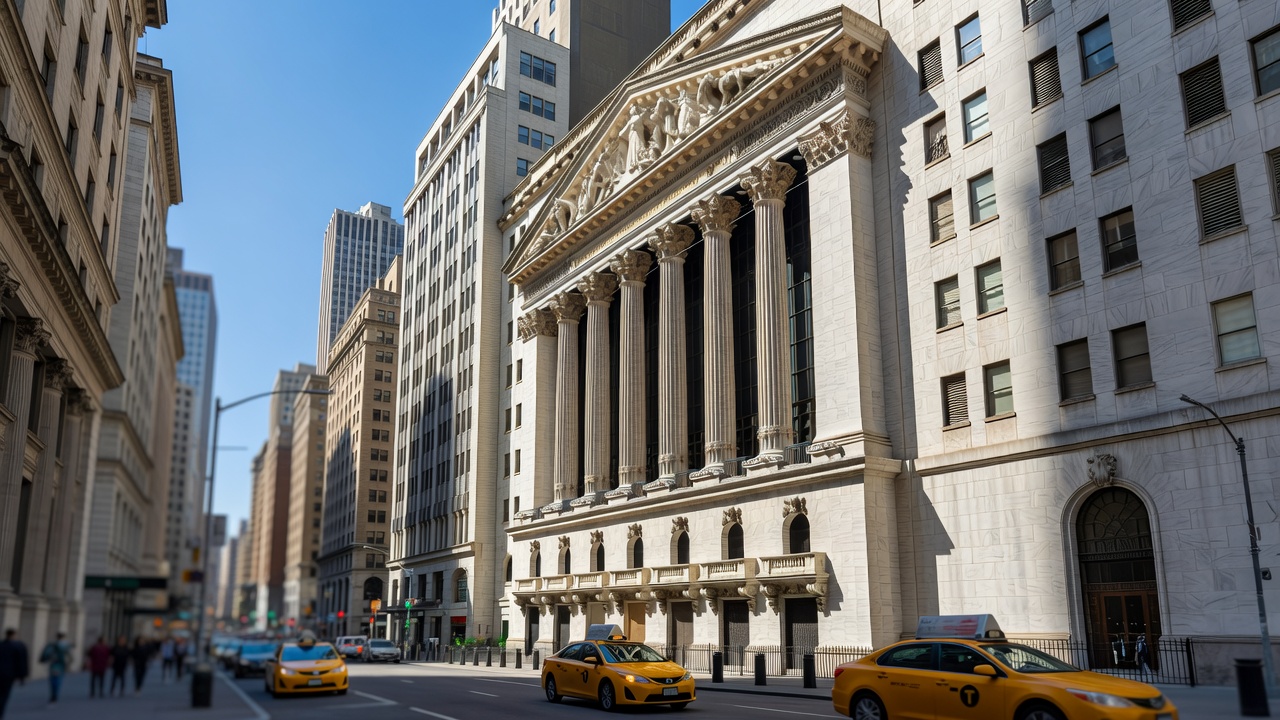
Nasdaq futures rose 1.4 percent early on November 6 while the S&P 500 contracts gained 0.1 percent, Bloomberg reported, as investors bought the dip in artificial intelligence-related shares following the previous session’s historic rout. Nvidia shares advanced more than 5 percent in premarket trading after plunging over 9 percent on November 5, according to Reuters data, with other chipmakers including AMD, Broadcom and Micron posting gains between 4.6 percent and 8.2 percent. The rebound came after US stocks suffered their biggest one-day loss since the start of the Covid-19 pandemic, Reuters figures show. A Bloomberg assessment found that nearly 32 trillion dollars in market value had been added to the S&P 500 Index since OpenAI released ChatGPT in late 2022, more than half of it from just 10 companies tied to artificial intelligence.
The selloff on November 5 erased between 2.3 trillion dollars and 2.5 trillion dollars in market capitalization across US equities, Bloomberg and CNN Business both reported, with the Nasdaq Composite closing down 5.5 percent for its worst session in more than a year. Nvidia, which briefly surpassed a 5 trillion dollar market value earlier this year, shed hundreds of billions in one day while SpaceX and Tesla also fell sharply, a Reuters update indicated. The CBOE Volatility Index jumped to its highest level in 19 months before easing slightly to 26.70 on November 6, Reuters data places the reading. Asian markets felt the spillover, with South Korea’s Kospi and Japan’s Nikkei 225 each closing down 6 percent on November 6 while Taiwan’s Taiex dropped 4.5 percent, CNN Business reported.
Investors cited the strong performance by Democrats in the US midterm elections as the catalyst, with several candidates campaigning on stricter rules for data centers and reduced tax incentives for technology companies, according to a BBC News summary. Bloomberg noted that more than 50 percent of planned data center capacity is concentrated in Ohio, Georgia and Texas, states where Democratic gubernatorial candidates prevailed. Reuters quoted analysts who warned that the results could slow AI infrastructure buildout, particularly in regions that had offered favorable policies. One Beijing-based executive told Reuters the selloff revealed that AI stock prices had been built on rosy illusions about the future.
US pension funds now hold roughly 610 billion dollars in technology stocks, representing 44 percent of their equity allocations, a Bloomberg graphic on AI market dependence showed. The industry has become deeply embedded across the broader economy, touching everything from debt markets to household wealth, according to the same Bloomberg analysis. Nvidia alone has accounted for about 8 percent of the S&P 500 at peaks this year while a handful of other AI-linked names added another 15 percent weighting, Bloomberg figures indicate. OpenAI, still private, is reportedly targeting 70 billion dollars in annualized revenue by the end of 2026, helping ease some longer-term concerns even as short-term volatility persists.
Analysts offered mixed views on whether the pullback signals the end of the AI boom or merely a healthy correction after years of rapid gains. George Boubouras, head of research at K2 Asset Management in Melbourne, told Reuters the selloff had accelerated on prospects of slower US data center rollout following the political shifts. Dan Coatsworth at AJ Bell noted in a Business Insider Africa report that losing 2.5 trillion dollars of value in a single day understandably leaves investors on edge. Greg Taylor of PenderFund Capital Management told Livemint the moves evoked flashbacks to the 2001 dot-com bust or 2008 financial crisis, underscoring how concentrated the market had become on one theme.