ع



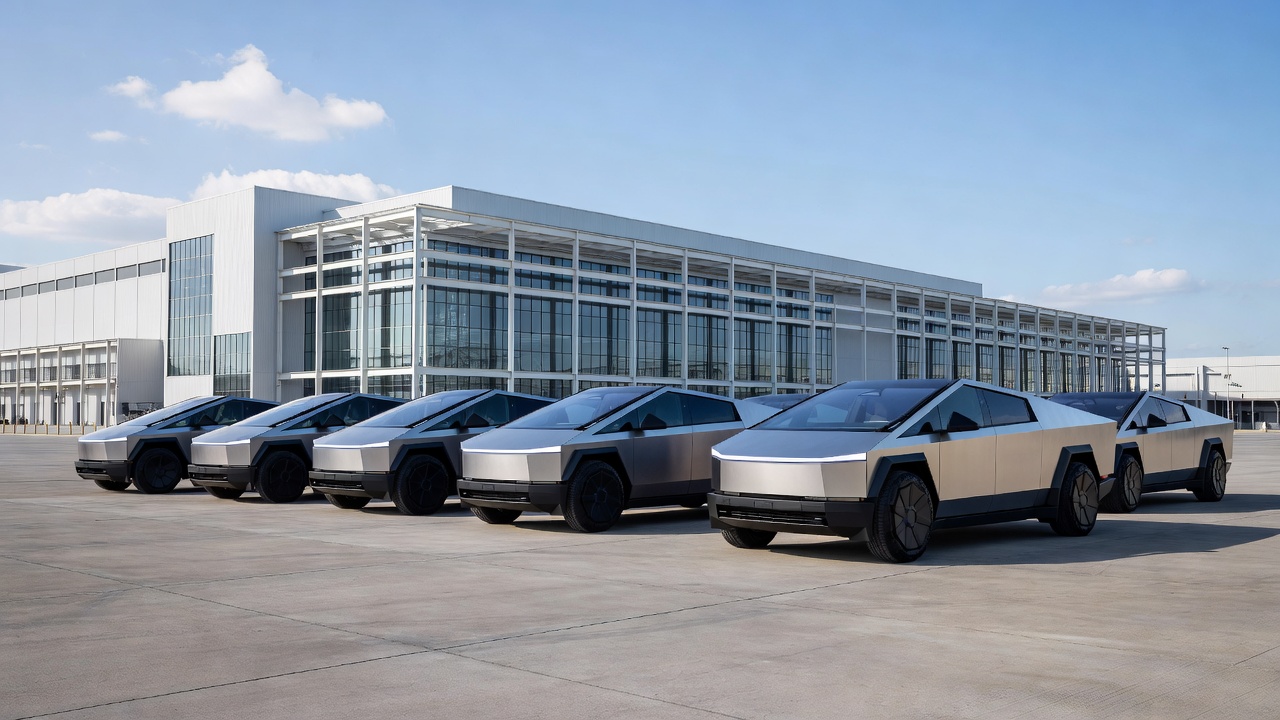
Tesla will wind down production of the Cybertruck at its Texas Gigafactory around mid-2027, CEO Elon Musk said on November 6, 2026. The move will free manufacturing space for the newly launched Cybercab robotaxi, according to a Reuters report on the announcement. Musk had originally positioned the stainless-steel pickup as a high-volume rival to traditional trucks, yet persistent shortfalls forced the strategic pivot.
Sales of the Cybertruck have fallen well below expectations in the United States, Kelley Blue Book figures cited by Reuters show. The company moved 20,237 units last year, a 48 percent decline from 38,965 in 2024. Musk had forecast annual sales of 250,000 vehicles when production began in late 2023, a target the model never approached.
The National Highway Traffic Safety Administration has recorded 11 recalls for the Cybertruck since its launch, covering issues that ranged from software glitches to mechanical failures. A Reuters assessment found that some defects required physical repairs at service centers while others were addressed through over-the-air updates. The frequency of campaigns has contributed to ongoing questions about the vehicle’s long-term viability.
One of the most recent recalls, issued in April 2026, addressed brake rotor stud holes that could crack and allow wheel studs to separate from the hub on trucks fitted with 18-inch steel wheels. The National Highway Traffic Safety Administration noted this affected 173 vehicles and could result in loss of control. Tesla directed service centers to replace rotors, hubs and lug nuts at no cost to owners.
Earlier problems included an accelerator pedal pad that could detach and become trapped under interior trim, an issue that prompted a recall in 2024, according to WIRED reporting. A stainless-steel trim panel also detached on thousands of vehicles because of the wrong adhesive, forcing another widespread campaign the following year. Additional defects involved incorrect grease that risked wheels detaching and overly bright front parking lights that exceeded regulatory limits.
Former Aston Martin CEO Andy Palmer told Reuters that continuing output made little sense when the Cybertruck failed to meet its targets. The vehicle’s angular stainless-steel body complicated repairs and created regulatory hurdles for European approval, limiting export potential. Industry observers note that repeated price cuts and quality concerns further eroded buyer confidence in a segment already cautious about electric pickups.
The production wind-down arrives as Tesla shifts focus toward autonomous vehicles, with the Cybercab intended to capture demand in ride-hailing and logistics. Data from automotive analysts indicate that legacy pickup manufacturers continue to dominate the segment, underscoring the challenges Tesla faced in disrupting an entrenched market. The company has not detailed plans for existing Cybertruck owners or service support after production ends.