ع



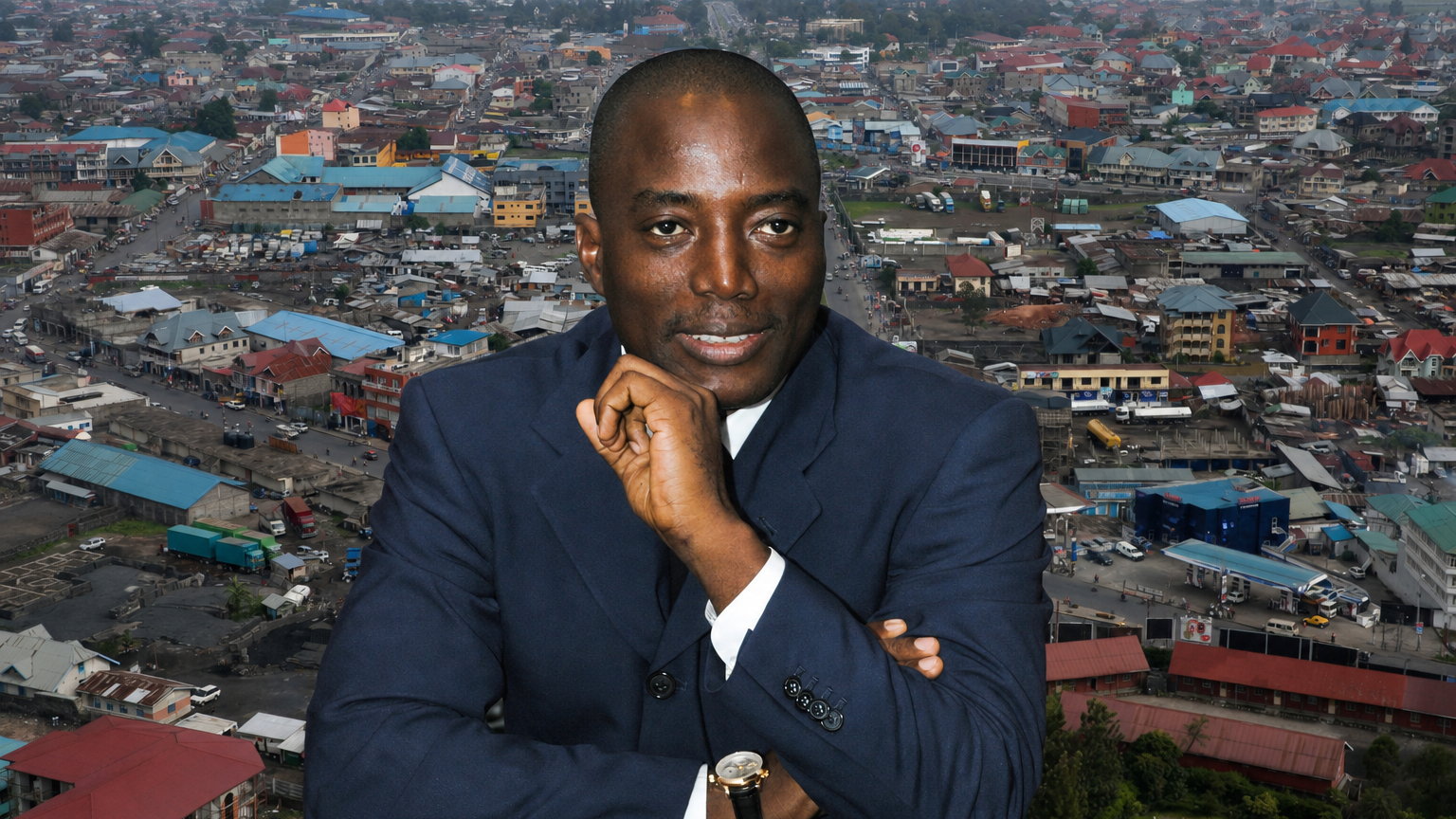
The Front for the Refoundation of the Nation announced its formation at a press conference held at Kabila’s residence in the M23-controlled city of Goma with the former president signing founding documents alongside other leaders as video from the event showed. Coalition adviser Claude Ibalanky detailed the structure under which Sultani Makenga the M23 military commander would serve as one of four deputies while the group pledged to end what it termed tyranny through coordinated resistance including the possible use of force. A Reuters dispatch from Goma on October 12 framed the launch as the clearest sign yet of Kabila’s direct role in the insurgency after months of government accusations that he had provided support to the rebels. According to a report from the International Crisis Group issued two days later the realignment replaces the Alliance Fleuve Congo as the political vehicle for M23 activities in eastern provinces.[[1]](https://www.reuters.com/world/congos-former-president-kabila-forms-new-group-replace-m23-insurgency-2026-10-12/)
Joseph Kabila began his public life as a commander in the rebel alliance that brought his father Laurent Kabila to power in 1997 before succeeding to the presidency at age 29 after the elder Kabila’s assassination in 2001. He governed the Democratic Republic of Congo for 18 years until handing over to Félix Tshisekedi in 2019 in a process that many analysts viewed as flawed following leaked results suggesting the true victor was opposition candidate Martin Fayulu. A BBC News article published October 31 and carrying the subheading “Suited and booted: How Joseph Kabila went from president to rebel leader” traced the former leader’s return to armed opposition against the successor with whom he had once formed a coalition government. Kabila re-entered the country in 2025 and was seen in rebel-held Goma shortly before a military court sentenced him to death in absentia in September of that year on charges of treason and financing eastern violence which he rejected at the time.[[2]](https://www.bbc.co.uk/news/articles/cr3wv311dwnlo)
M23 fighters seized the eastern cities of Goma and Bukavu during an offensive last year leaving the group in control of significant mineral-rich territory while ongoing clashes continue over villages hilltops and mining sites according to assessments by the International Crisis Group. The conflict rooted in decades of regional rivalries unresolved security concerns and competition for resources has displaced millions and drawn in forces from neighbouring countries including Burundian troops fighting alongside government units. Al Jazeera reporting from Goma on October 18 noted that local residents expressed surprise and renewed fear at the former president’s entry into the fray viewing it as a sign the war could drag on indefinitely. The United Nations and several Western governments have accused Rwanda of providing troops and command support to M23 a charge that Kigali has consistently denied while citing its own border security needs.[[3]](https://www.aljazeera.com/news/2026/10/18/fears-grow-in-drc-as-former-president-joseph-kabila-joins-rebellion)
In an interview published by Conspiracy Tracker Great Lakes at the end of October Kabila defended the formation of the FRN as a necessary response to shrinking democratic space and the government’s refusal to pursue genuine dialogue. “When you close the political space and when you decide that the only solution according to Kinshasa is to fight to the last man what are the other options that you leave the Congolese people” he asked adding that Congolese could either accept domination or take up arms to fight back. The former president told the outlet that the coalition sought proper inclusive governance and the rebuilding of state institutions rather than any fragmentation of the country or service to external interests. He further argued that historical patterns of resistance in Congo since the 1960s showed such movements often arose in response to political repression.[[4]](https://eastleighvoice.co.ke/regional/417424/joseph-kabila-defends-new-military-coalition-accuses-tshisekedi-of-dictatorship)
United States Treasury sanctions imposed on Kabila in April 2026 accused him of backing the M23 encouraging army defections and attempting to orchestrate attacks on government positions while a separate action later that month targeted Rwanda’s defence ministry over alleged troop involvement. The International Crisis Group analyst Richard Moncrieff wrote on October 14 that although Kabila’s leadership brings greater political stature to the rebels most Congolese continue to regard the movement as a foreign-backed enterprise limiting its national legitimacy. Business Day opinion commentary published on October 28 suggested the alliance could prompt defections from disgruntled elements of the regular army given Kabila’s lingering popularity within military ranks. The realignment complicates ongoing peace initiatives including earlier talks held in Doha that the FRN has said it intends to honour in principle.[[5]](https://www.crisisgroup.org/anb/africa/democratic-republic-congo-rwanda/ex-president-kabila-leads-rebel-cause-conflict-smoulders-eastern-drc)
Leadership of the FRN places Kabila at the head of a structure whose deputies include former electoral commission chairman Corneille Nangaa M23 political figures Bertrand Bisimwa and Freddy Kaniki in addition to Makenga who retains command of the armed wing. The group’s founding declaration formally dissolved the preceding AFC framework and positioned the new entity as a broader resistance coordinating force according to statements carried by France 24 and other regional outlets. Kabila had delivered a public address only days before the launch outlining steps he believed Congolese should take to rescue the nation from perceived mismanagement and corruption. Government spokesman Patrick Muyaya responded by accusing the former president of preparing a generalised attack on the country and the authorities subsequently suspended Kabila’s PPRD party along with several allied groups. Analysts continue to watch whether the move will translate into expanded battlefield gains or simply prolong the stalemate across eastern provinces.